Featured

Exploring the breakthrough innovations shaping our world. From AI infrastructure and robotics to biotech, quantum computing, and spatial tech.
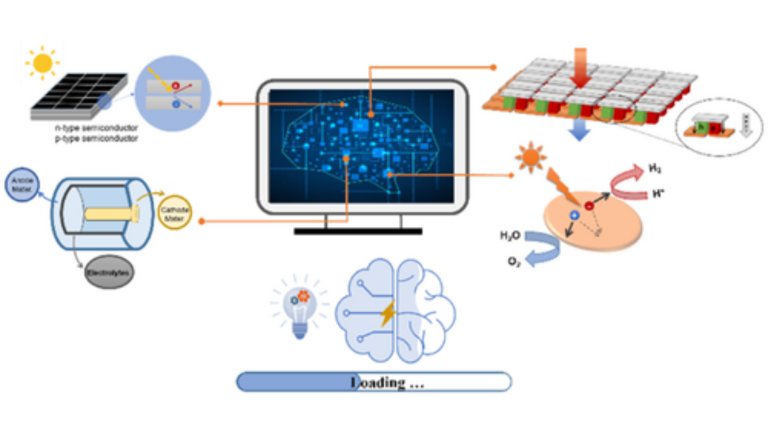
The transition toward cleaner energy systems depends heavily on advances in materials science. Technologies such as batteries, solar cells, hydrogen electrolyzers, fuel cells, carbon capture systems,...
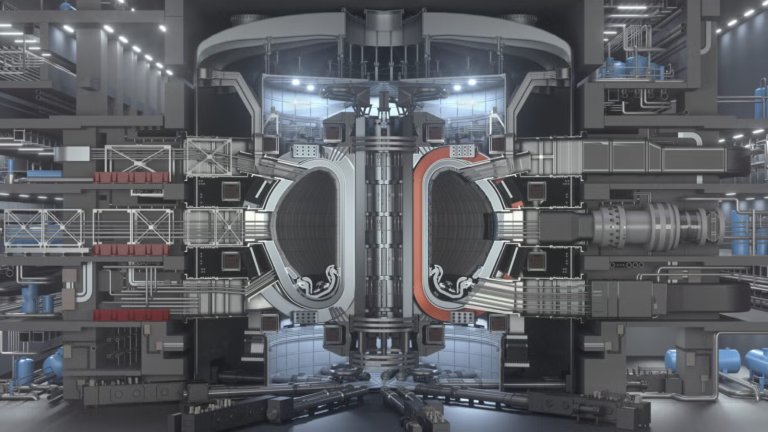
Nuclear fusion has long been considered a potential pathway toward large-scale clean energy because it replicates the process that powers the Sun: combining light atomic nuclei to release energy. Unli...
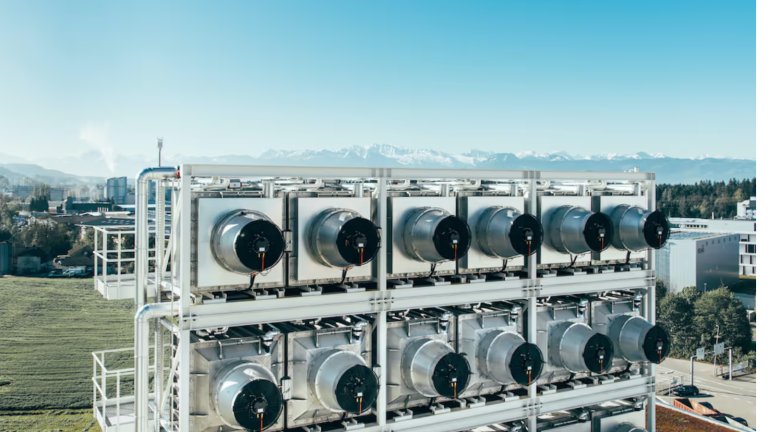
Reducing greenhouse gas emissions remains the central strategy for addressing climate change, but many researchers and policymakers recognize that carbon removal technologies may also play a role in m...
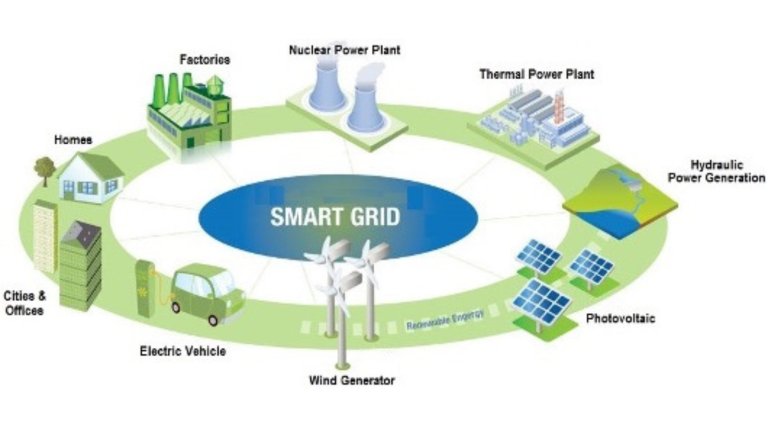
Electric power grids were historically designed around a one-way flow of electricity. Large centralized power plants generated electricity, transmission networks moved it across regions, and distribut...
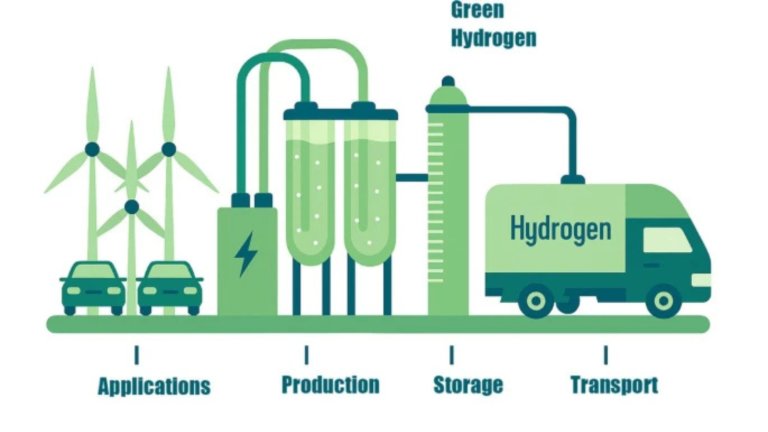
Hydrogen has become a major focus in discussions about future energy systems because it can store and transport energy while producing no carbon dioxide emissions at the point of use. Unlike fossil fu...
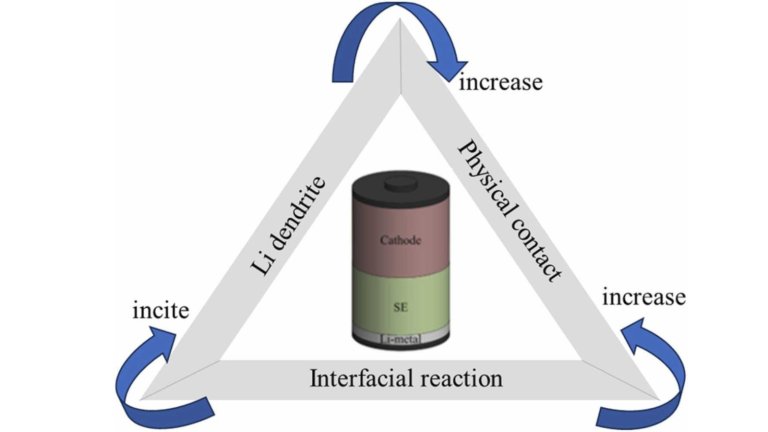
Solid-state batteries are widely considered one of the most promising next-generation battery technologies because they replace the conventional liquid electrolyte found in most lithium-ion batteries...
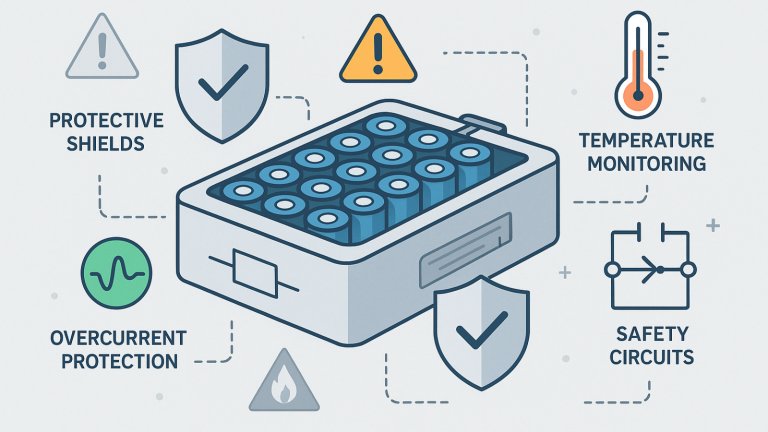
A Battery Management System (BMS) is an electronic control system responsible for monitoring, protecting, and optimizing rechargeable battery packs. Although lithium-ion batteries are widely used in e...
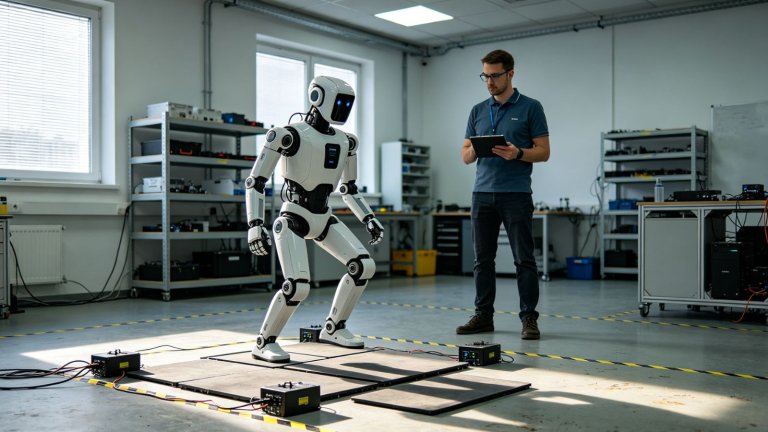
Keeping a bipedal robot upright while it walks across uneven ground is not simply a matter of making its legs move in the right sequence. A humanoid has to continuously manage its center of mass, cont...
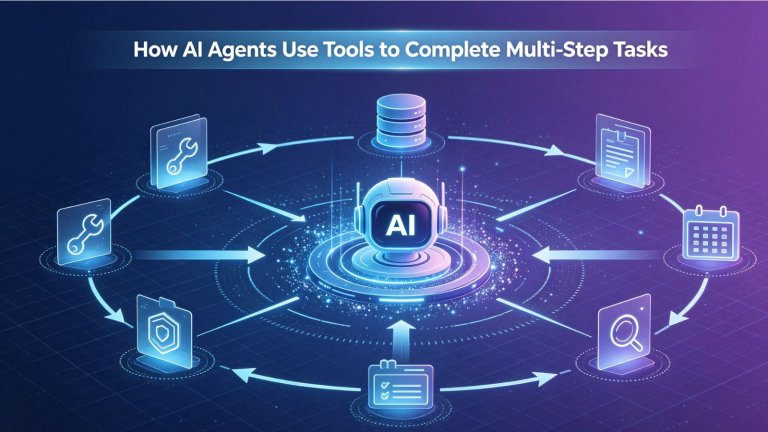
A chatbot can answer a question in one response. An AI agent is built for a different kind of job: it can pursue a goal through several steps, use external tools, examine the results, and decide what...
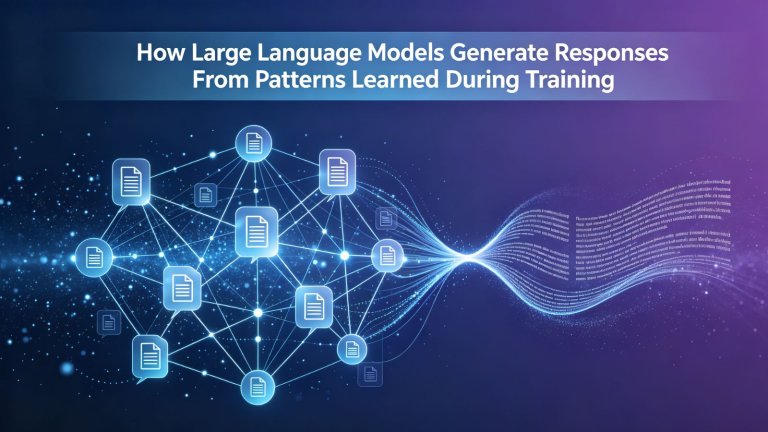
When a large language model (LLM) answers a question, it can appear to be retrieving a finished response from an enormous internal library. In reality, the process is more dynamic. The model uses patt...
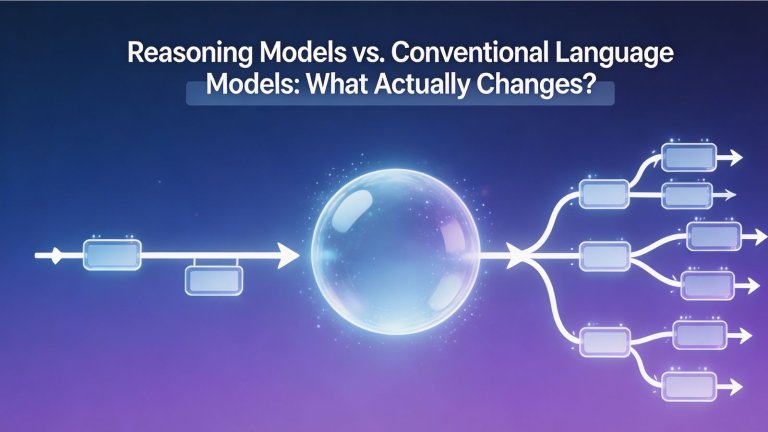
The phrase reasoning model has become common in AI, but it can be misleading if it suggests that conventional language models cannot reason at all. Both types are based on large language model technolo...
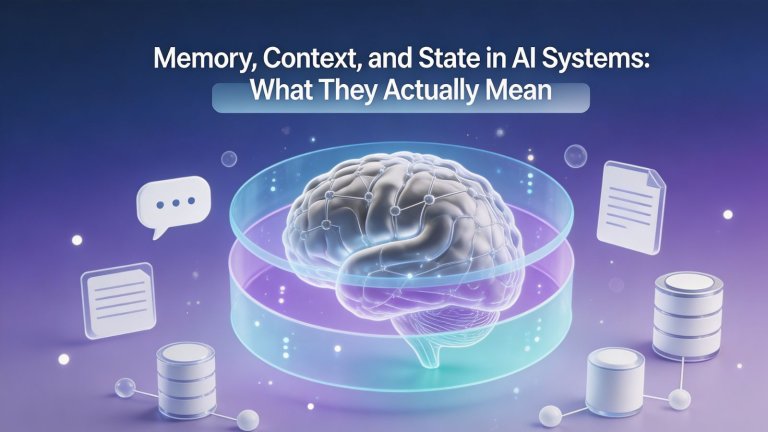
When an AI assistant appears to remember something from an earlier conversation, several different mechanisms may be responsible. Context, memory, and state are closely related, but they solve differe...
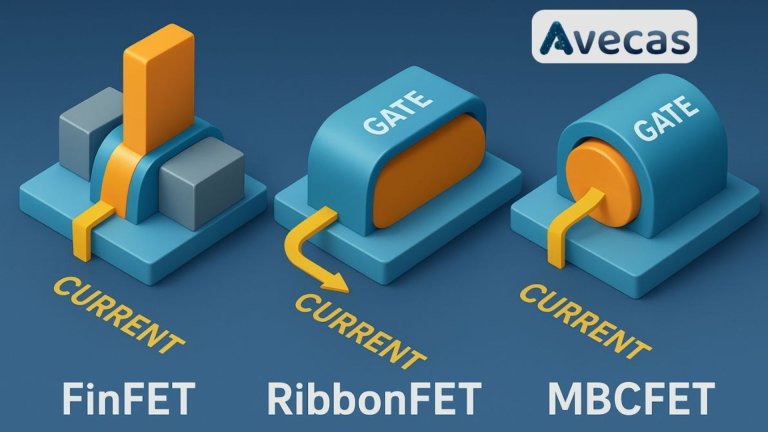
For more than a decade, FinFET technology has been one of the foundations of advanced semiconductor manufacturing. Its three-dimensional fin structure gave the gate much better control of the transist...
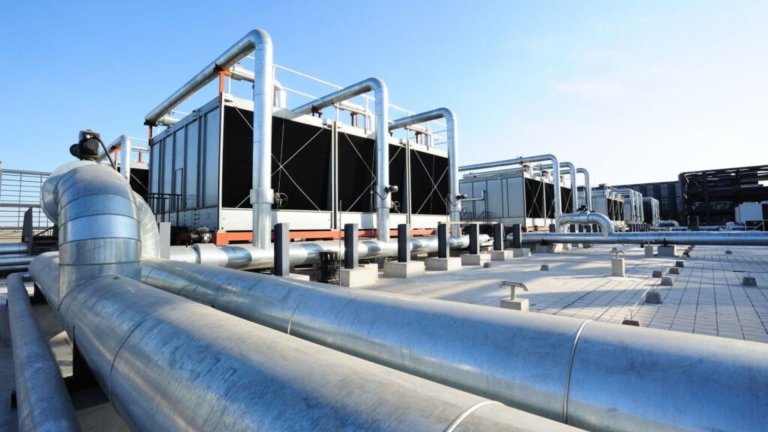
For years, data center expansion was discussed mainly in terms of electricity. Developers looked for sites with access to large amounts of reliable power, while analysts tracked the industry's growth...
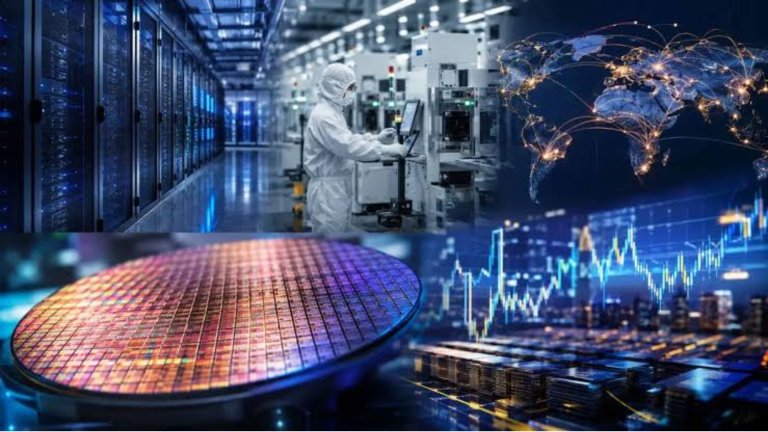
For much of the modern computing era, semiconductor manufacturing depended on a remarkably specialized international supply chain. Chip designs could originate in the United States or elsewhere, wafer...
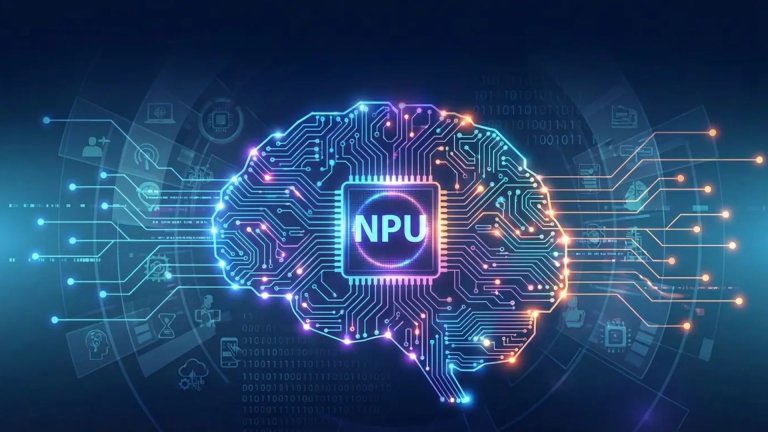
Cloud AI gets most of the attention because its infrastructure is hard to miss: huge server clusters, specialized accelerators, and data centers built around enormous computing loads. At the same time...

For most of modern medical history, healthcare has been built around isolated moments of observation. A patient schedules an appointment, describes recent symptoms, undergoes a physical examination, a...
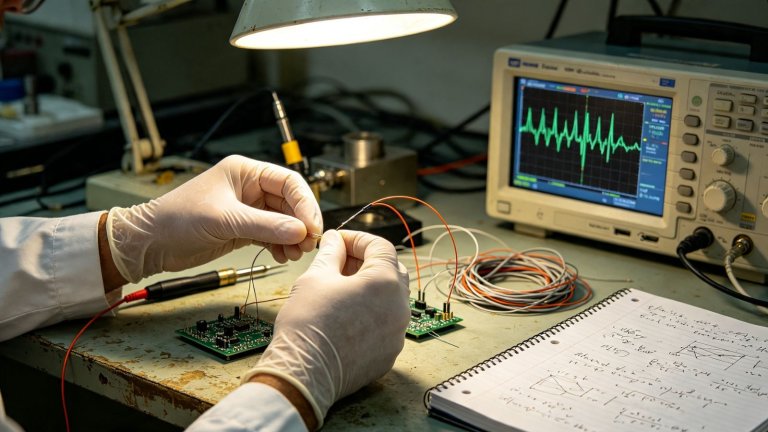
Modern work rarely happens on a single screen. A report might begin on a desktop computer during the morning, continue on a laptop during a meeting, and receive final edits on a tablet or smartphone l...
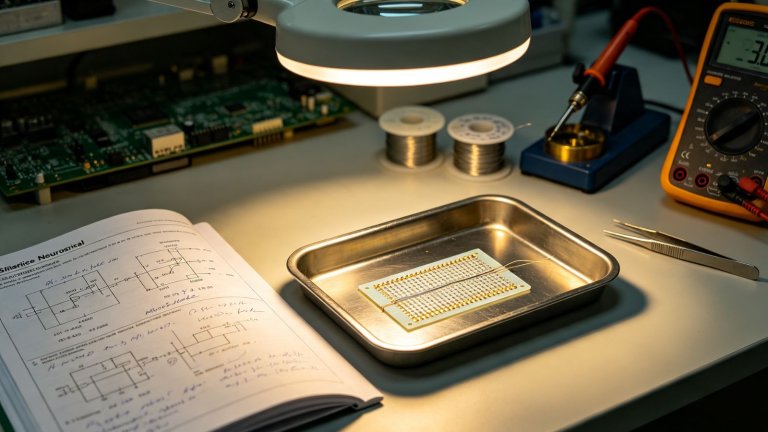
The idea of connecting the human brain directly to computers has evolved from speculative fiction into a rapidly advancing field that combines neuroscience, electrical engineering, materials science,...
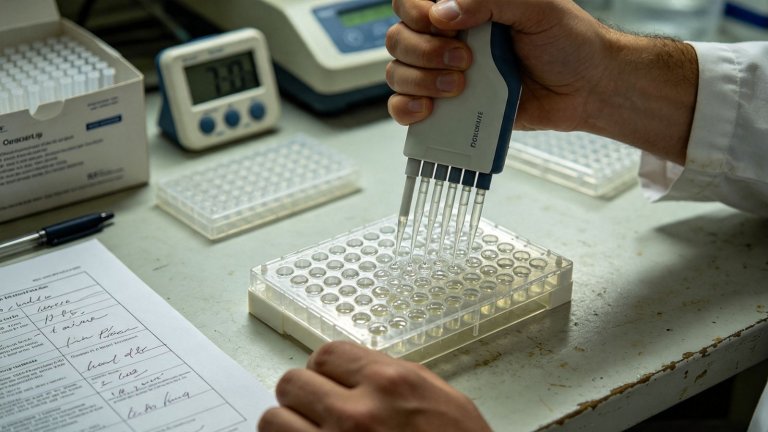
Modern genetic engineering has undergone a remarkable transformation over the past three decades. Early methods for modifying DNA often relied on random mutations, viral insertion, or labor-intensive...