
Decoding the technologies of tomorrow, today.
Exploring the breakthrough innovations shaping our world. From AI infrastructure and robotics to biotech, quantum computing, and spatial tech.
Exploring the breakthrough innovations shaping our world. From AI infrastructure and robotics to biotech, quantum computing, and spatial tech.
Electric power grids were historically designed around a one-way flow of electricity. Large centralized power plants generated electricity, transmission networks moved it across regions, and distribution systems delivered it to homes and businesses. Grid operators mainly focused on balancing supply and demand by adjusting generation output.
The rapid growth of renewable energy, electric vehicles, distributed solar panels, battery storage, and flexible energy consumption has made this traditional model increasingly difficult to manage. Electricity is no longer produced only by large power stations. Homes, businesses, and communities can now generate, store, and exchange energy.
Smart grid orchestration addresses this complexity by combining digital communication, automation, data analytics, and intelligent control systems. It allows electricity networks to respond dynamically to changing conditions by coordinating generation, distribution, and consumption in near real time.
At the center of this transformation are two important technologies: decentralized Internet of Things (IoT) sensors that collect information from across the grid and dynamic pricing algorithms that influence how and when electricity is used.
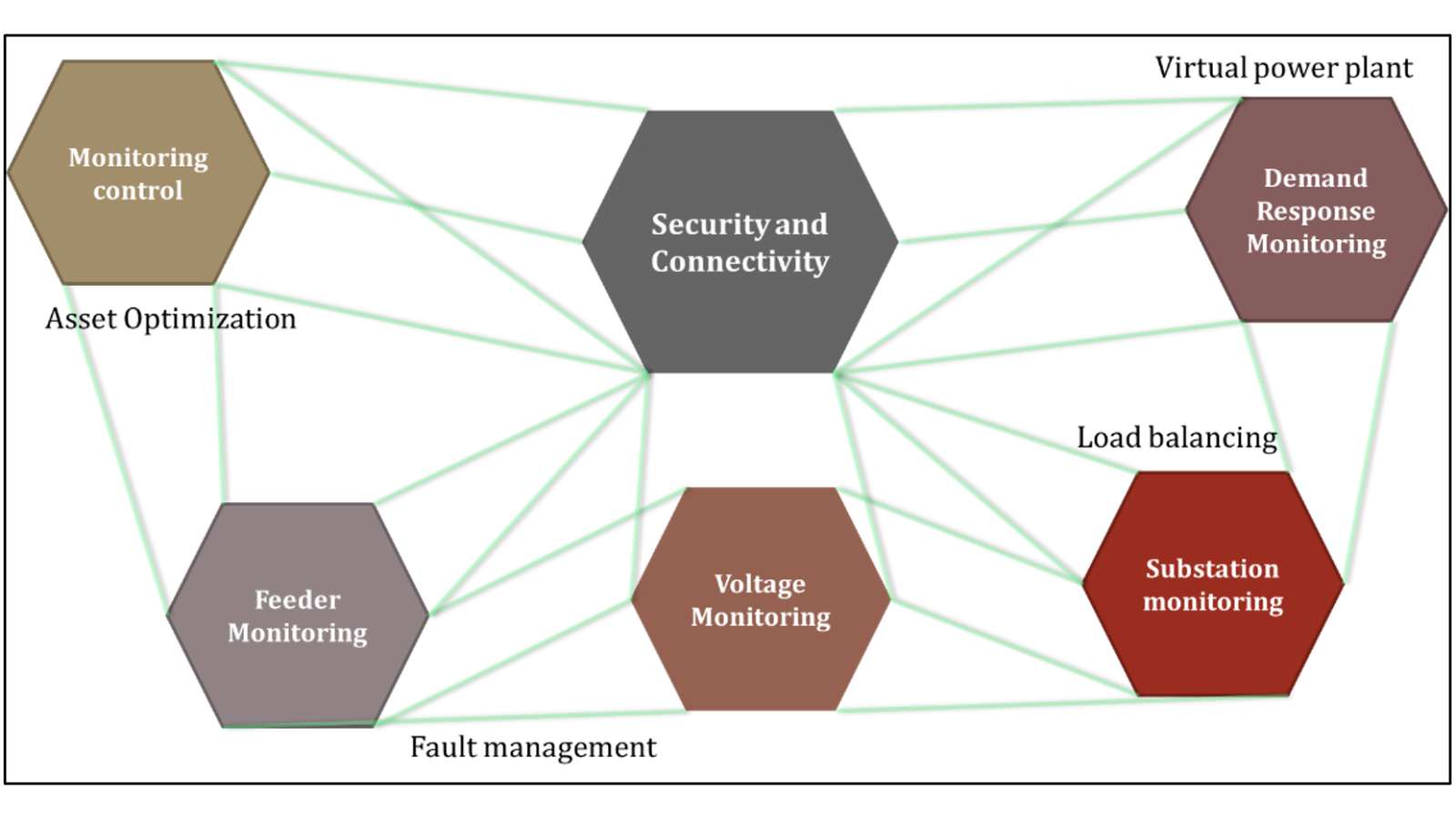
Smart grid orchestration refers to the coordinated management of multiple energy resources through advanced monitoring and control systems.
Rather than treating electricity consumers as passive users, smart grids view them as active participants. A household with rooftop solar panels, a battery system, or an electric vehicle charger can become part of a larger energy network.
A smart grid orchestration platform typically manages:
Electricity generation from multiple sources
Energy storage systems
Distribution network conditions
Consumer demand patterns
Grid stability requirements
Market-based energy transactions
The goal is to maintain reliable electricity delivery while improving efficiency, integrating renewable energy, and reducing unnecessary strain on infrastructure.
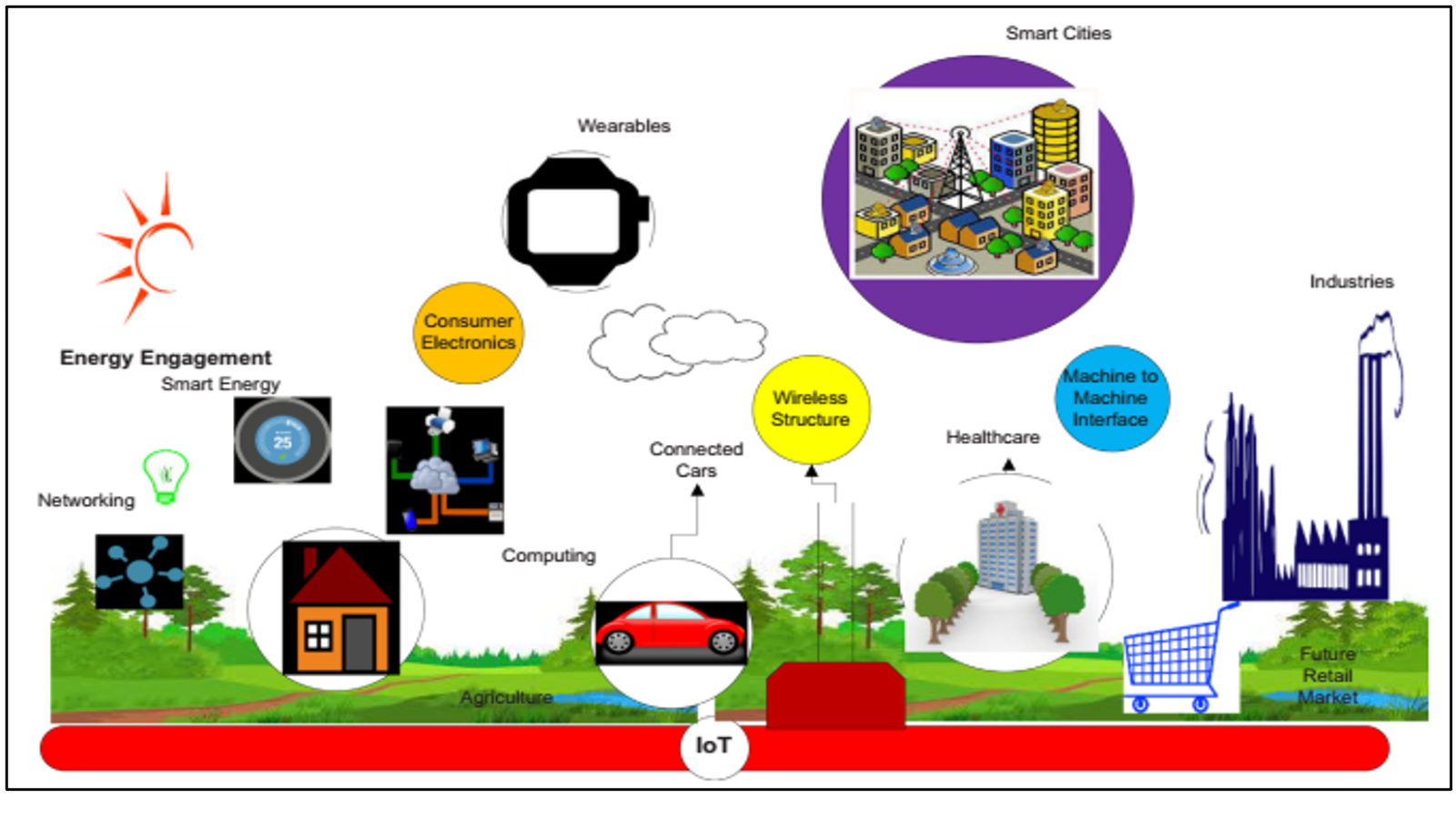
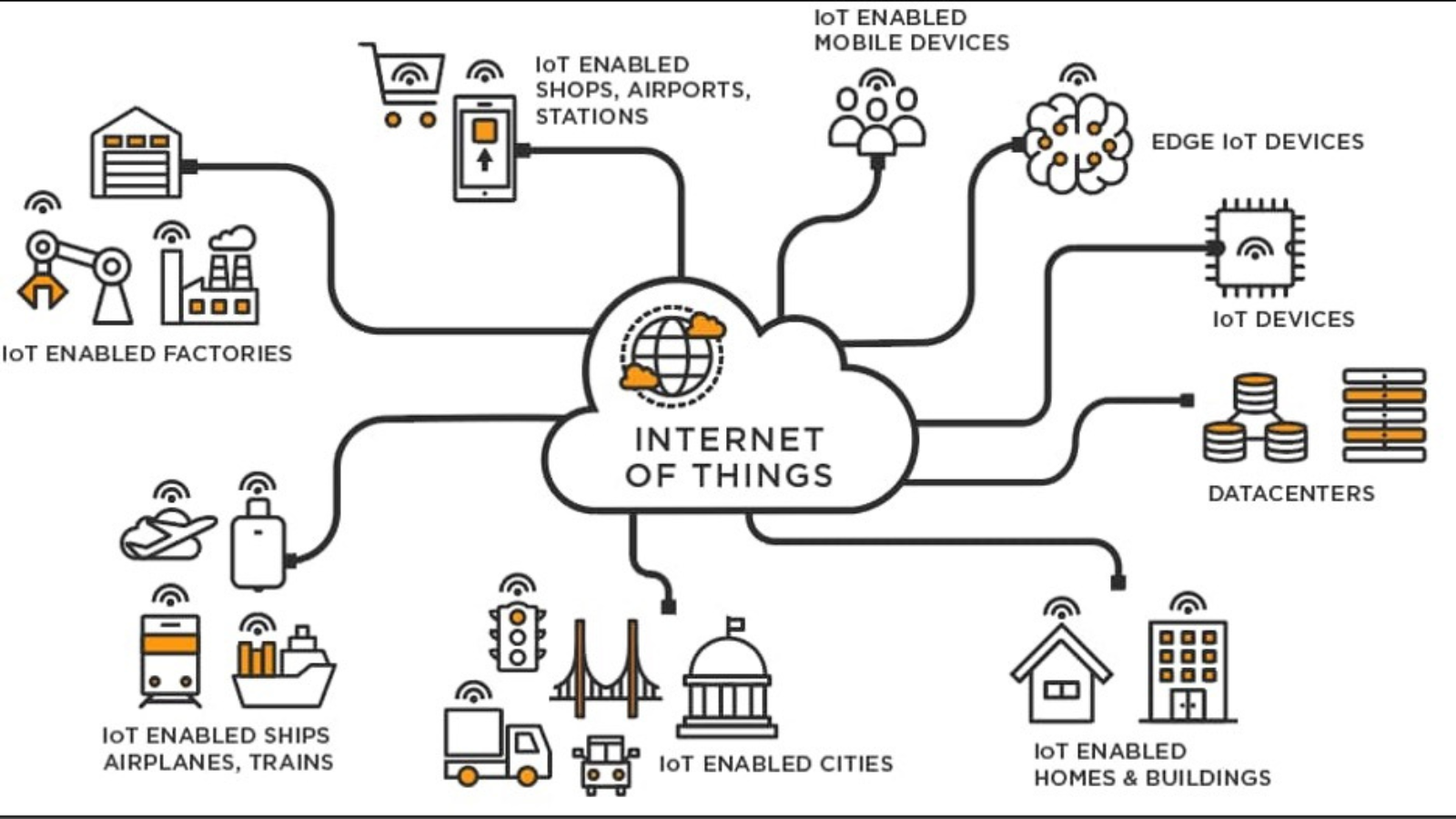
IoT sensors provide the real-time data required for intelligent grid management. These devices are distributed throughout energy systems, allowing operators to monitor conditions that were previously difficult to observe.
Common sensor locations include:
Power substations
Transmission lines
Distribution equipment
Smart meters
Renewable energy installations
Battery storage systems
Electric vehicle charging stations
These sensors collect information such as:
Voltage levels
Current flow
Equipment temperature
Power quality
Energy consumption patterns
Renewable generation output
For example, a traditional grid operator may only detect problems after customers report outages. A sensor-equipped smart grid can identify abnormal voltage patterns or equipment failures earlier, allowing preventive action.
Smart meters are one of the most visible components of smart grid technology. Unlike traditional electricity meters that record total consumption periodically, smart meters can communicate usage information between customers and utilities.
They enable:
More accurate billing
Faster outage detection
Real-time consumption monitoring
Participation in demand response programs
For consumers, smart meters can provide information about electricity usage patterns. For utilities, they create a more detailed understanding of demand across different locations and time periods.
This additional visibility helps grid operators manage fluctuations caused by renewable energy sources and changing consumer behavior.
Renewable energy introduces significant variability because solar and wind output depends on weather conditions.
Smart grid systems use IoT data to coordinate renewable generation with other grid resources.
For example:
Solar production forecasts can help predict daytime electricity availability.
Wind monitoring systems can provide information about expected generation changes.
Battery storage systems can receive signals to charge when renewable output is high.
Flexible loads can be adjusted when electricity supply changes.
Without digital coordination, sudden changes in renewable generation could create balancing challenges. Smart grid orchestration allows the system to respond automatically rather than relying only on manual intervention.
Dynamic pricing is a key mechanism for influencing electricity consumption patterns.
Traditional electricity pricing often uses fixed rates that remain unchanged throughout the day. Dynamic pricing adjusts electricity costs based on real-time conditions, such as demand levels, available generation, and grid congestion.
When electricity demand is high, prices may increase to encourage reduced consumption. When renewable generation is abundant or demand is lower, prices may decrease to encourage energy use.
The purpose is not simply to charge different prices. Dynamic pricing helps align consumer behavior with grid conditions.
Dynamic pricing systems analyze large amounts of information, including:
Current electricity demand
Weather forecasts
Renewable generation availability
Energy market conditions
Grid constraints
Historical consumption patterns
Algorithms then calculate pricing signals that can be communicated to consumers, energy management systems, or automated devices.
For example, an electric vehicle charging system could delay charging until electricity prices are lower and renewable generation is higher. A smart home system could adjust heating or cooling schedules based on electricity conditions.
These automated responses reduce pressure on the grid without requiring constant manual decisions from users.
Demand response programs allow electricity users to adjust consumption in response to grid needs.
Instead of increasing electricity generation whenever demand rises, utilities can sometimes reduce demand temporarily through coordinated actions.
Examples include:
Adjusting commercial building cooling systems
Scheduling industrial processes during lower-demand periods
Managing electric vehicle charging times
Coordinating residential appliances
Smart grid technology makes demand response more effective because communication between utilities and devices can happen automatically.
This creates a more flexible energy system where consumption becomes another tool for maintaining grid stability.
One of the biggest changes in modern electricity systems is the growth of distributed energy resources (DERs).
These include:
Rooftop solar panels
Home batteries
Community energy storage
Electric vehicles
Small-scale generators
Individually, these resources may be too small to influence the grid significantly. However, smart grid orchestration can combine thousands of distributed assets into coordinated networks.
A virtual power plant is one example of this approach. Software platforms aggregate multiple small energy resources and manage them as if they were a larger power plant.
This allows distributed resources to provide services such as energy balancing and peak demand reduction.
Despite its advantages, smart grid orchestration faces several challenges.
More connected devices create more potential entry points for cyber threats. Protecting communication networks, control systems, and customer data is a major priority.
Smart grids generate enormous amounts of information. Systems must process this data quickly while maintaining accuracy and reliability.
Modernizing existing power networks requires significant investment in sensors, communication systems, software platforms, and grid equipment.
Dynamic pricing and automated energy management depend on consumer acceptance. Programs must provide clear benefits while protecting user privacy and maintaining control over household energy decisions.
Smart grid orchestration will become increasingly important as electricity systems become more decentralized and renewable-based.
Future developments may include:
More advanced artificial intelligence forecasting
Automated energy trading between distributed resources
Improved battery integration
Greater coordination between electric vehicles and grids
More adaptive pricing systems
The future grid will not simply deliver electricity. It will continuously analyze conditions, communicate with connected devices, and adjust operations to maintain efficiency and reliability.
Smart grid orchestration represents a shift from a centralized electricity model toward a flexible, interconnected energy ecosystem. IoT sensors provide the visibility needed to understand real-time grid conditions, while dynamic pricing algorithms encourage smarter energy consumption.
By coordinating renewable generation, energy storage, distribution networks, and consumer behavior, smart grids can improve reliability and support the transition toward cleaner electricity systems.
The challenge ahead is not only building more renewable energy capacity but creating the digital infrastructure required to manage it effectively. Smart grid technologies provide the foundation for a more responsive, efficient, and resilient energy future.