
Decoding the technologies of tomorrow, today.
Exploring the breakthrough innovations shaping our world. From AI infrastructure and robotics to biotech, quantum computing, and spatial tech.
Exploring the breakthrough innovations shaping our world. From AI infrastructure and robotics to biotech, quantum computing, and spatial tech.
The idea of connecting the human brain directly to computers has evolved from speculative fiction into a rapidly advancing field that combines neuroscience, electrical engineering, materials science, signal processing, and machine learning. Modern brain-computer interfaces (BCIs) are no longer limited to laboratory demonstrations. Researchers have already shown that neural interfaces can restore communication, enable robotic limb control, and translate specific patterns of brain activity into digital commands. Yet the most important question in neural engineering is not whether a brain-computer interface can work, but how the interface should be designed in the first place.
Every neural interface faces the same engineering dilemma. Recording stronger and more detailed neural signals usually requires placing sensors closer to active brain tissue. However, moving closer to neurons increases biological risk, hardware complexity, and long-term maintenance challenges. This fundamental trade-off has led to three distinct design philosophies: invasive interfaces that prioritize signal quality, non-invasive interfaces that emphasize safety and accessibility, and hybrid systems that attempt to balance the strengths and weaknesses of both approaches. Understanding these competing architectures requires looking beyond headlines and examining the practical engineering constraints that shape every BCI system.
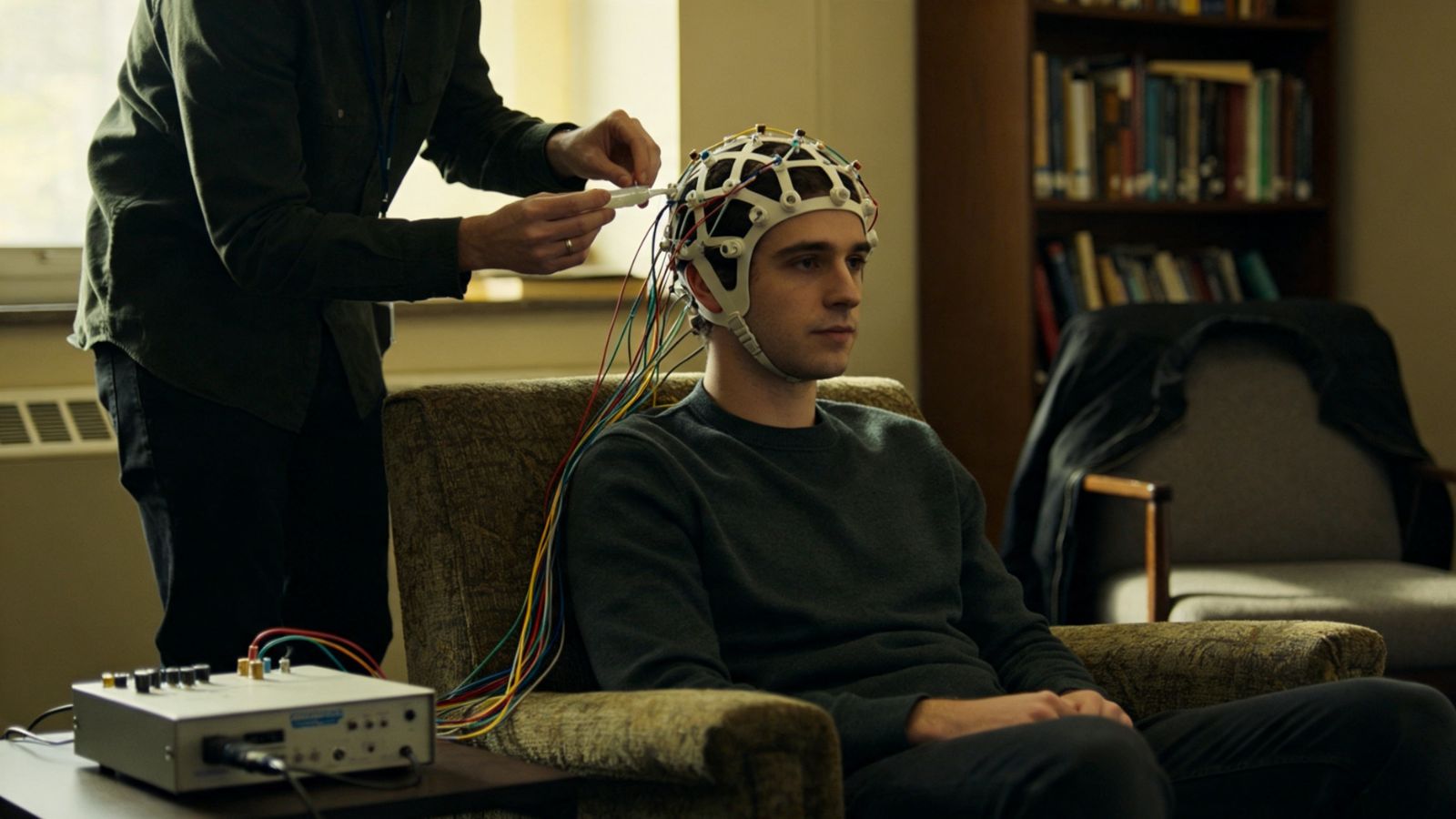
The first challenge in any brain-computer interface is acquiring neural activity in a form that a computer can interpret. Neurons communicate through electrical and chemical signaling, but those signals are extremely weak and easily distorted. Before a cursor can move across a screen or a robotic arm can grasp an object, biological activity must be captured, amplified, filtered, digitized, and transformed into computational data. The quality of every subsequent stage depends almost entirely on the quality of the original recording. Poor signal acquisition cannot be fully corrected through software, regardless of how sophisticated the decoding algorithms become.
The physical structure of the human head creates additional complications. Neural signals generated inside the cerebral cortex must travel through layers of tissue, cerebrospinal fluid, bone, and skin before reaching external sensors. Each layer weakens and spreads electrical activity, reducing spatial precision. Engineers must therefore decide how much biological intervention is acceptable in exchange for better signal quality. This decision influences every aspect of system performance, including information transfer rates, calibration requirements, hardware durability, and the range of tasks the interface can support.
These constraints explain why neural interfaces are designed along a continuum rather than as a single technological category. Instead of asking which interface is objectively superior, engineers evaluate how different acquisition strategies align with specific clinical or research goals. A system designed to restore speech for a person with severe paralysis may prioritize precision, while a consumer wellness device may prioritize comfort and accessibility. The underlying technology changes because the engineering priorities change.
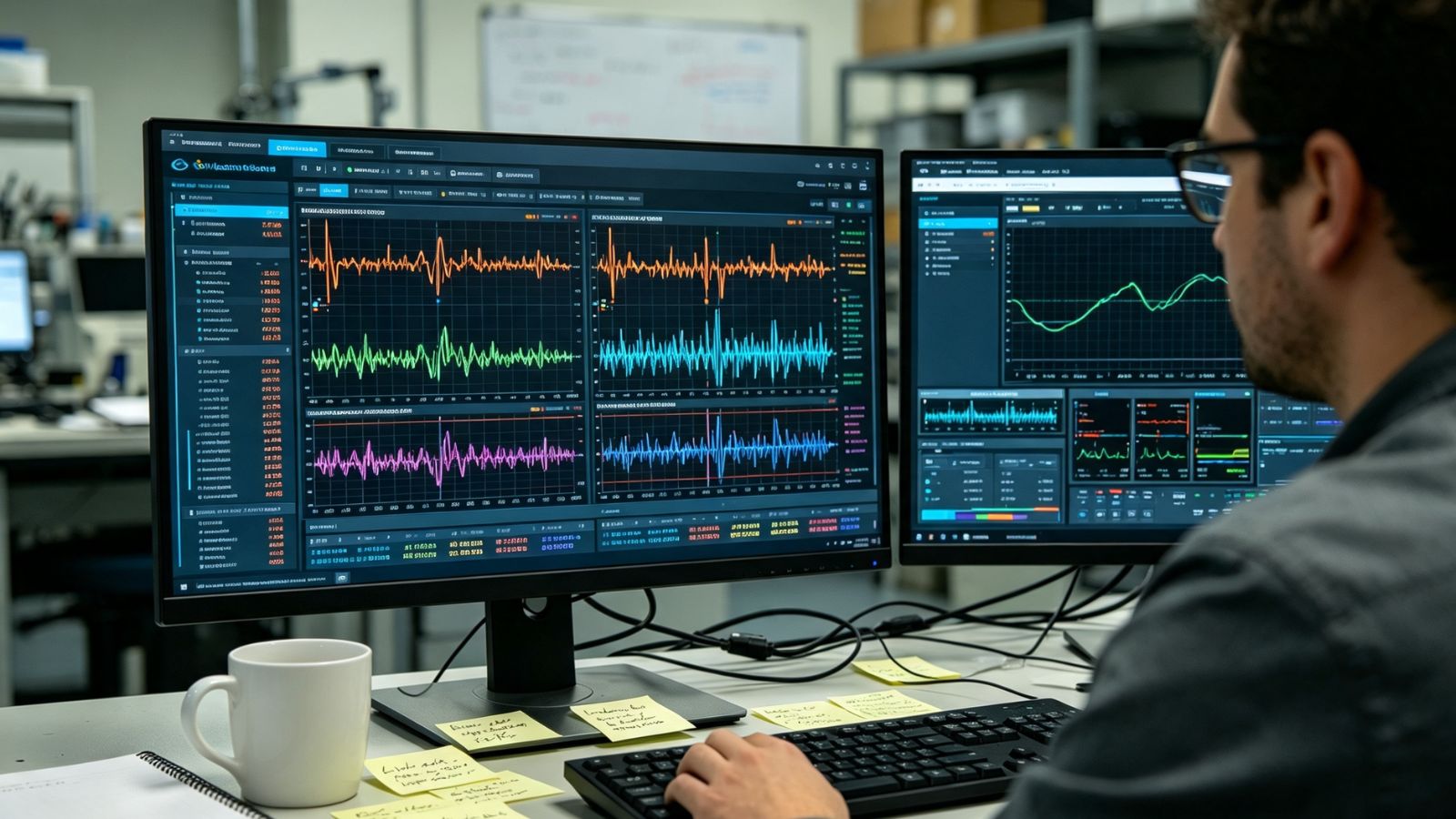
Invasive neural interfaces achieve their performance by positioning electrodes directly within or on top of cortical tissue. Technologies such as intracortical microelectrode arrays can record action potentials from individual neurons, allowing researchers to capture the precise timing of neural firing. This level of detail enables complex forms of control that would be impossible with lower-resolution systems. Experimental demonstrations have shown that invasive interfaces can support robotic limb manipulation, digital typing, cursor navigation, and speech reconstruction with a level of responsiveness that approaches natural movement.
The engineering advantages are substantial because the signal does not need to travel through the skull before reaching the sensor. Higher signal-to-noise ratios allow algorithms to identify patterns with greater accuracy and lower latency. In practical terms, this means that decoding models can distinguish subtle differences in movement intention, finger positioning, or directional control. The increased bandwidth creates opportunities for applications that require continuous, fine-grained adjustments rather than simple binary selections. For patients who have lost motor function, this capability can dramatically expand the range of available communication and interaction tools.
However, the biological consequences of implantation remain one of the field's greatest challenges. The brain treats implanted hardware as a foreign object, activating immune responses that can gradually alter signal quality. Tissue inflammation, glial scarring, electrode degradation, and long-term biocompatibility continue to limit device longevity. In addition, invasive systems require neurosurgical procedures that introduce risks associated with infection, bleeding, and tissue damage. Engineers are therefore working to develop more flexible materials and less disruptive implantation strategies that can preserve high-resolution recordings while minimizing physiological disruption.
Non-invasive neural interfaces approach the same problem from an entirely different perspective. Instead of entering the brain, these systems record activity from outside the skull using technologies such as electroencephalography, functional near-infrared spectroscopy, and magnetoencephalography. Because they avoid surgical intervention, they significantly reduce medical risk and make neural monitoring available to broader populations. Research institutions, rehabilitation programs, and consumer technology developers often favor these approaches because they lower both the clinical and logistical barriers to adoption.
The absence of surgery also creates practical advantages that extend beyond patient safety. External devices can be removed, upgraded, recalibrated, and replaced without invasive procedures. Researchers can rapidly test new algorithms across large participant groups, while users can incorporate wearable interfaces into everyday environments. This flexibility has accelerated experimentation in fields ranging from attention monitoring and neurofeedback to assistive communication technologies. Non-invasive systems also provide a valuable platform for studying brain activity in situations where permanent implantation would be unnecessary or ethically inappropriate.
Despite these advantages, non-invasive systems face unavoidable physical constraints. Electrical signals weaken as they pass through multiple biological layers, causing neighboring neural activity to blend together before reaching external sensors. As a result, these devices generally capture large-scale neural patterns rather than the precise activity of individual neurons. Movement artifacts, environmental interference, and variable electrode placement further complicate signal interpretation. Although advances in hardware and machine learning continue to improve performance, current non-invasive systems typically provide lower information density than their implanted counterparts, limiting their effectiveness in applications that require extremely precise motor control.
The limitations of both invasive and non-invasive systems have encouraged researchers to explore hybrid approaches that combine multiple sources of biological information. Instead of relying on a single recording method, hybrid interfaces integrate different physiological signals to create a more comprehensive representation of user intent. Some systems combine semi-invasive vascular sensors with electroencephalography, while others incorporate eye tracking, electromyography, or movement sensors into the decoding process. This strategy reflects a broader shift toward multi-modal engineering, where system reliability is achieved through redundancy and complementary data streams rather than through a single high-performance sensor.
Hybrid architectures offer several important advantages. Different sensors often capture different aspects of human behavior, allowing algorithms to cross-reference multiple inputs when one signal becomes unreliable. Eye tracking can provide information about visual attention, while muscle activity can help verify movement intention. Combining these inputs improves robustness and reduces the impact of noise, fatigue, or temporary signal degradation. In some cases, hybrid systems also shorten calibration periods because machine-learning models can identify relationships between multiple physiological measurements rather than relying exclusively on neural data.
The trade-off is increased complexity. Every additional sensor introduces new synchronization requirements, processing demands, and hardware constraints. Signals collected at different sampling frequencies must be aligned, filtered, and integrated in real time. Power consumption increases, computational pipelines become more sophisticated, and thermal management becomes a greater concern in portable devices. Hybrid systems therefore exchange biological simplicity for engineering complexity, demonstrating once again that every improvement in one area introduces new constraints somewhere else in the design process.
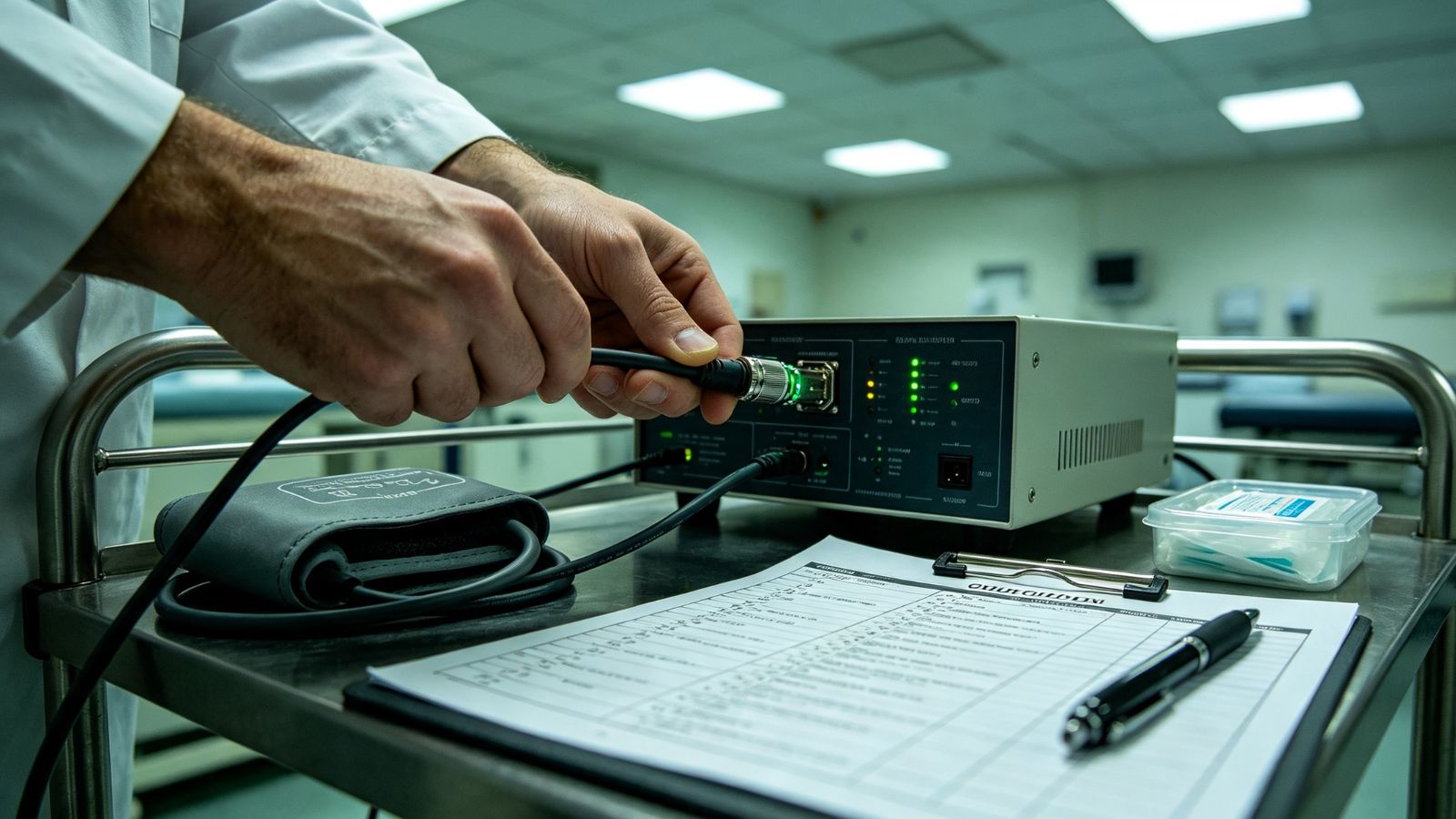
Capturing neural activity represents only the beginning of the process. After signals are recorded, they move through a computational pipeline that transforms biological activity into digital commands. Engineers first amplify extremely weak electrical fluctuations before applying filters that remove environmental interference and irrelevant frequencies. Feature extraction algorithms then identify meaningful patterns within the data, such as spike timing, oscillatory rhythms, or changes in spectral power. Without these preprocessing stages, neural recordings would contain too much noise to support reliable interpretation.
Once features have been extracted, machine-learning models attempt to decode user intent. Depending on the application, these models may predict continuous movement trajectories, classify discrete selections, or identify complex behavioral states. Algorithms such as Kalman filters, convolutional neural networks, recurrent neural networks, and transformer-based architectures have all been explored within modern BCI research. The objective is not simply to recognize neural activity but to translate that activity into a usable command that controls software, communication systems, or assistive devices.
This pipeline also explains why discussions about neural interfaces should never focus exclusively on electrodes. A successful brain-computer interface depends on the interaction between biological recording, hardware engineering, signal processing, and adaptive software. Improvements in electrode materials alone cannot solve every problem, just as advances in machine learning cannot compensate for unstable recordings indefinitely. Progress occurs when every component of the system evolves together rather than in isolation.
The future of brain-computer interfaces will be shaped by engineering trade-offs rather than technological perfection. Invasive systems provide exceptional signal fidelity but introduce biological risks and long-term stability challenges. Non-invasive systems offer safety and accessibility but remain constrained by the physical limitations of recording through the skull. Hybrid architectures attempt to bridge these competing priorities by combining multiple information sources, although they introduce additional computational and hardware complexity.
Rather than searching for a universal solution, researchers continue to develop interfaces tailored to specific applications, user populations, and clinical objectives. Advances in biocompatible materials, flexible electronics, adaptive decoding algorithms, and multi-modal sensing are gradually expanding what neural interfaces can accomplish. As these technologies mature, the boundary between mind and machine will become increasingly sophisticated, not because one architecture ultimately wins, but because engineers continue refining the compromises that define every successful neural interface.