
Decoding the technologies of tomorrow, today.
Exploring the breakthrough innovations shaping our world. From AI infrastructure and robotics to biotech, quantum computing, and spatial tech.
Exploring the breakthrough innovations shaping our world. From AI infrastructure and robotics to biotech, quantum computing, and spatial tech.
Modern genetic engineering has undergone a remarkable transformation over the past three decades. Early methods for modifying DNA often relied on random mutations, viral insertion, or labor-intensive recombination techniques that offered limited control over where genetic changes occurred. Researchers could alter genomes, but the process frequently resembled editing a manuscript by tearing out entire pages rather than correcting individual letters. The inability to predict outcomes consistently limited both experimental efficiency and the potential for future clinical applications.
The emergence of CRISPR-Cas systems fundamentally changed this landscape by introducing programmable genome editing. Instead of redesigning an entirely new protein for every genetic target, researchers could simply modify a short RNA sequence and redirect the editing machinery toward a different location in the genome. This dramatically reduced the technical barriers associated with gene editing and accelerated research across molecular biology, agriculture, biotechnology, and disease modeling.
However, the original CRISPR-Cas9 platform introduced an important trade-off. Although it significantly improved targeting capabilities, it still depended on creating double-stranded DNA breaks to trigger cellular repair mechanisms. Those breaks often produced unpredictable outcomes, including unintended insertions, deletions, and structural rearrangements. As scientists began searching for methods capable of correcting single-letter mutations without cutting both DNA strands, a new generation of technologies emerged. Base editing and prime editing expanded the molecular toolkit, shifting genetic engineering from gene disruption toward increasingly precise sequence modification.
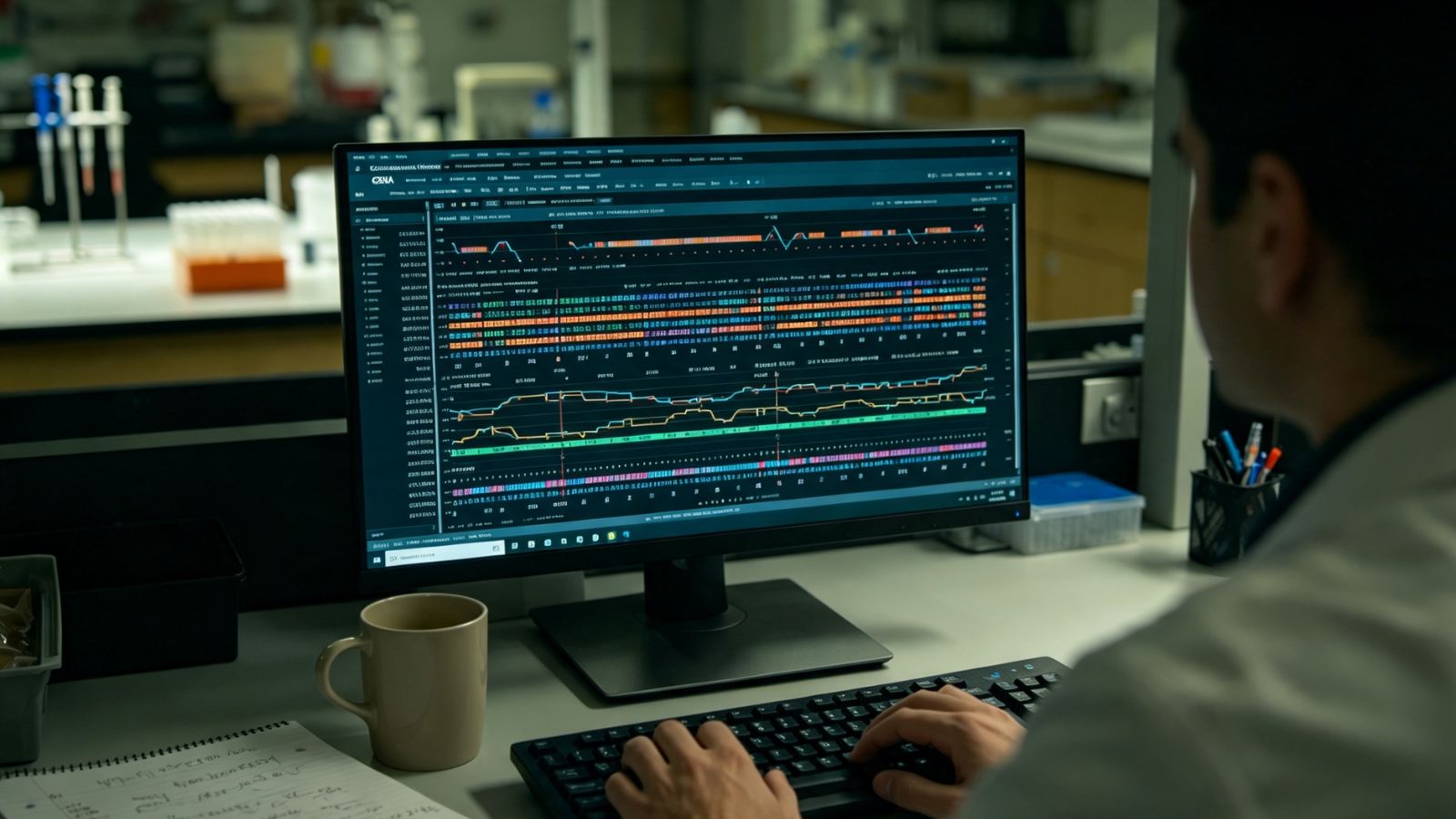
Long before CRISPR became a household term within scientific communities, researchers experimented with several generations of targeted genome-editing technologies. Zinc Finger Nucleases (ZFNs), which gained prominence during the 1990s, represented one of the first serious attempts to engineer site-specific DNA modification. These systems used custom-designed proteins that recognized particular DNA sequences and directed nucleases to specific genomic locations. Although groundbreaking, ZFNs required extensive protein engineering, making them technically challenging, time-consuming, and expensive to develop for each new target.
Transcription Activator-Like Effector Nucleases (TALENs) later simplified some of these engineering challenges by introducing a more modular approach to DNA recognition. TALENs offered greater flexibility than ZFNs and improved targeting accuracy in many experimental settings. Nevertheless, they still depended on designing customized DNA-binding proteins for every genetic sequence under investigation. This requirement continued to limit scalability, especially as researchers expanded into increasingly complex genomes.
The arrival of CRISPR-Cas9 in 2012 changed the entire development model. Instead of modifying proteins, scientists only needed to redesign a guide RNA molecule that directed the Cas enzyme toward a complementary DNA sequence. This RNA-guided architecture dramatically accelerated experimentation because a new genetic target no longer required building a completely new protein structure. As a result, CRISPR democratized genome engineering, allowing laboratories with relatively modest resources to perform experiments that previously required highly specialized expertise.
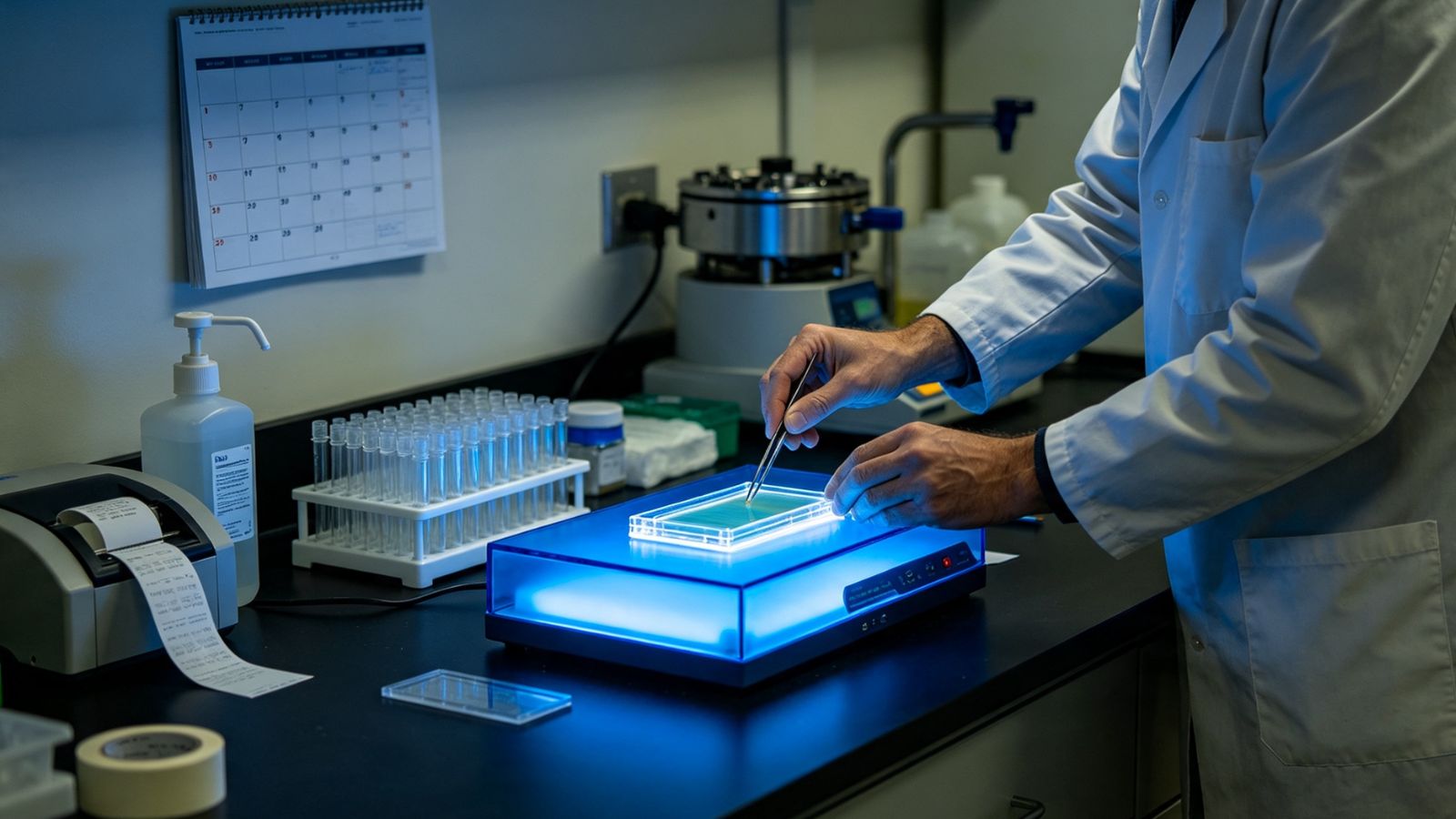
At the center of the CRISPR-Cas9 system are two essential components: the Cas enzyme and the guide RNA. The guide RNA functions as a programmable navigation system, identifying a specific DNA sequence within a genome, while the Cas enzyme acts as the molecular scissors responsible for cutting the DNA. Once the guide RNA recognizes a target sequence located near a compatible protospacer adjacent motif (PAM), the Cas protein binds to the DNA, unwinds the double helix, and creates a break across both strands.
After the DNA is cut, the cell activates its natural repair machinery. One of the most common repair pathways is non-homologous end joining (NHEJ), a rapid but imperfect process that reconnects broken DNA strands. Because NHEJ often introduces small insertions or deletions, it became particularly useful for gene knockout experiments in which researchers intentionally wanted to disable a gene. This capability transformed laboratory research by providing a relatively efficient method for studying gene function.
Despite these advantages, double-stranded DNA breaks introduced significant limitations. Many human genetic disorders result from single-base mutations rather than completely dysfunctional genes. Correcting one incorrect nucleotide without affecting neighboring sequences proved far more difficult than simply disabling an entire gene. Furthermore, DNA breaks occasionally generated unintended genomic alterations, including large deletions and chromosomal rearrangements. These limitations motivated researchers to develop editing systems capable of preserving genomic stability while increasing editing precision.
The development of base editing marked one of the most important advances in modern molecular biology because it changed the fundamental strategy of genome engineering. Instead of cutting DNA and allowing cellular repair systems to determine the final outcome, base editors chemically converted one nucleotide into another without creating a complete double-stranded break. This seemingly small modification significantly reduced many of the unintended consequences associated with conventional CRISPR editing.
Cytosine Base Editors (CBEs) were among the first systems developed using this approach. These editors combined a modified CRISPR-Cas enzyme with a deaminase capable of converting cytosine into uracil, which cellular processes subsequently interpreted as thymine. This conversion effectively transformed a C-G base pair into a T-A base pair. Researchers later expanded the platform by creating Adenine Base Editors (ABEs), which converted adenine into inosine, allowing cells to interpret the modified nucleotide as guanine and thereby enabling A-G substitutions.
Importantly, base editors did not emerge simply because scientists wanted more precise technology. They emerged because many inherited diseases are caused by point mutations involving individual nucleotides rather than large-scale genetic disruptions. By avoiding complete DNA cleavage, base editing reduced certain categories of editing-related errors under specific experimental conditions. Although these technologies still require careful validation, they provided researchers with a much more refined method for correcting specific mutations while preserving surrounding genomic architecture.
Although base editing represented a major advancement, it remained constrained by chemistry. Cytosine and adenine editors excelled at transition mutations, but many clinically relevant mutations involved more complex nucleotide substitutions, insertions, or deletions. Researchers therefore continued searching for a more versatile editing platform capable of expanding the range of possible genetic modifications.
This search led to the introduction of prime editing in 2019. Unlike traditional CRISPR systems, prime editors combine a Cas9 nickase with a reverse transcriptase enzyme and a specialized prime editing guide RNA. Rather than creating a complete DNA break, the nickase cuts only one DNA strand, while the reverse transcriptase directly writes new genetic information into the target sequence according to instructions encoded within the guide RNA.
Many researchers describe prime editing as a genomic search-and-replace function because of its flexibility. The technology can potentially perform all twelve possible single-base substitutions while also introducing small insertions and deletions. Although prime editing remains an active area of investigation rather than a universally applicable solution, it significantly expanded the possibilities of precision genome engineering and reduced dependence on donor DNA templates that complicated earlier editing strategies.
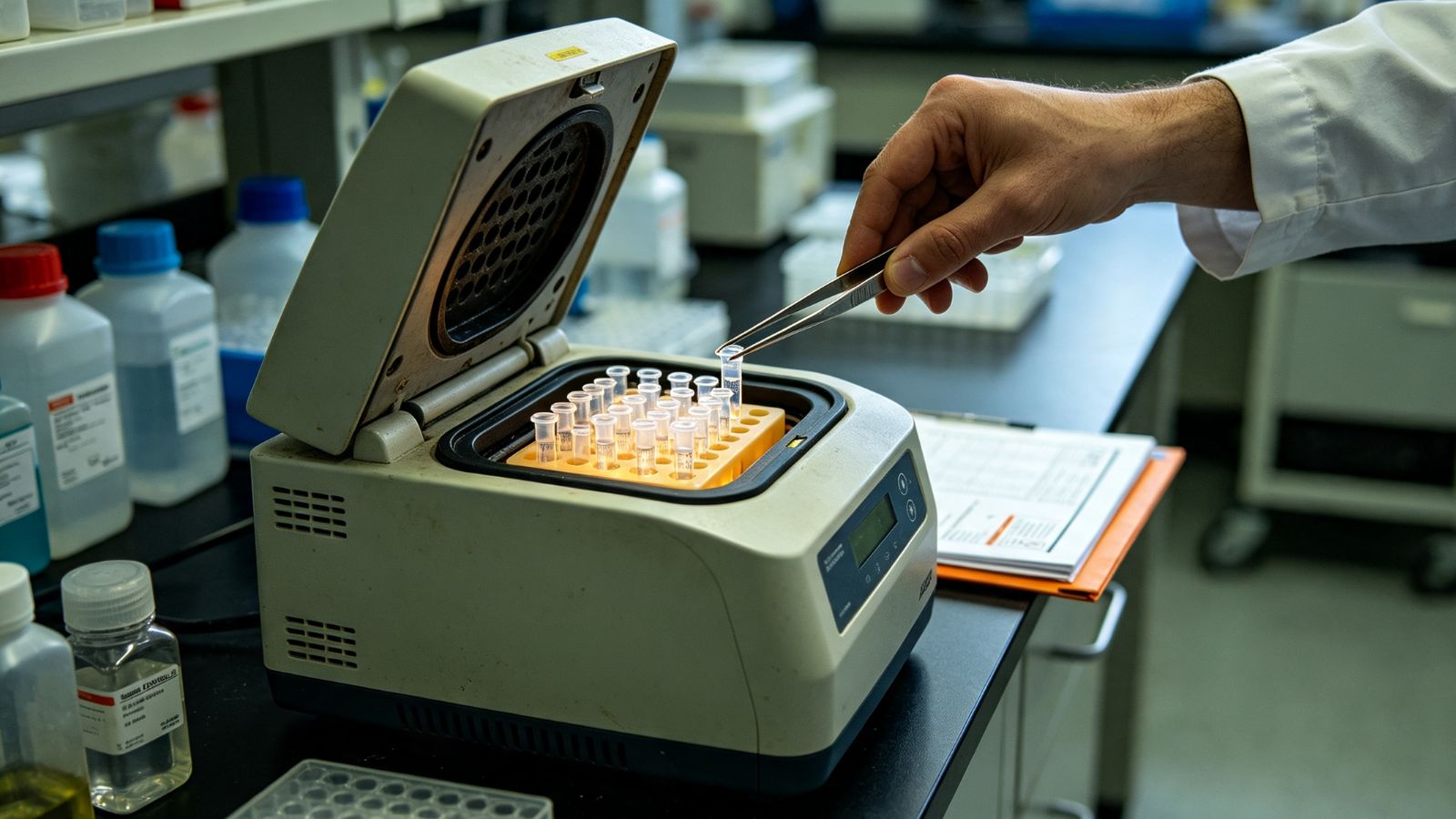
Despite rapid technological progress, genome editing remains constrained by biological realities that cannot be eliminated through software-like programming alone. One of the most persistent challenges involves off-target activity. Even carefully designed guide RNAs can occasionally recognize genomic regions that closely resemble the intended target sequence. When this occurs, unintended modifications may appear elsewhere in the genome, requiring extensive validation to confirm editing accuracy.
Another major challenge involves molecular delivery. Editing tools must be transported into specific cells and tissues before any modification can occur. Researchers have explored multiple delivery strategies, including viral vectors, lipid nanoparticles, and electroporation techniques, but each approach introduces unique trade-offs related to efficiency, immune responses, tissue specificity, and manufacturing complexity. Delivering large molecular complexes into living organisms remains one of the most difficult engineering problems in the field.
Equally important is the recognition that genomes are not static instruction manuals. Cells exist within dynamic biological systems influenced by epigenetics, chromatin structure, developmental timing, and environmental factors. An editing strategy that performs well in isolated laboratory experiments may behave differently in living tissues. For this reason, contemporary genome engineering research increasingly emphasizes long-term validation, reproducibility, and rigorous clinical evaluation rather than relying exclusively on short-term editing efficiency measurements.
The transition from random mutagenesis to programmable genome editing represents one of the most significant technological shifts in modern biology. The progression from ZFNs to TALENs, from CRISPR-Cas9 to base editing, and from base editing to prime editing illustrates a clear scientific trend toward greater precision, improved predictability, and more sophisticated control over genetic modification.
At the same time, the history of genome engineering demonstrates that every new technology introduces both opportunities and limitations. Higher editing precision does not automatically eliminate biological complexity, and more powerful molecular tools do not remove the need for careful experimentation. Progress in this field depends not only on developing better enzymes but also on improving computational modeling, delivery systems, sequencing technologies, and long-term safety assessment.
As research continues to advance through laboratory studies and clinical investigations, genome engineering will likely become increasingly integrated into biotechnology, agriculture, synthetic biology, and precision medicine. Rather than viewing CRISPR, base editing, and prime editing as competing technologies, it may be more accurate to see them as complementary tools within an expanding molecular engineering framework—one that continues to redefine how scientists investigate, modify, and understand the fundamental architecture of life.