
Decoding the technologies of tomorrow, today.
Exploring the breakthrough innovations shaping our world. From AI infrastructure and robotics to biotech, quantum computing, and spatial tech.
Exploring the breakthrough innovations shaping our world. From AI infrastructure and robotics to biotech, quantum computing, and spatial tech.
Traditional wearable devices introduced millions of people to digital health tracking, but most first-generation products were designed to answer only a narrow set of questions. How many steps did you take? What was your average heart rate? Did you sleep for seven hours or eight? While those metrics created a new consumer market, they revealed only a small fraction of what the human body continuously communicates. Modern wearable biosensors are expanding far beyond activity tracking by combining advanced materials, miniaturized electronics, biochemical sensing, and intelligent data processing into systems that operate much closer to the body's physiological environment.
This transition is changing the role of wearable technology itself. Instead of functioning as passive lifestyle accessories, new devices are increasingly being designed as continuous monitoring platforms capable of analyzing movement, tissue oxygenation, hydration, metabolic activity, and molecular biomarkers simultaneously. Achieving that level of performance, however, requires solving a fundamental engineering problem. Electronic systems are traditionally rigid, while the human body is flexible, chemically complex, and constantly in motion. Creating sensors that can survive this environment without sacrificing accuracy has become one of the most important challenges in biomedical engineering.
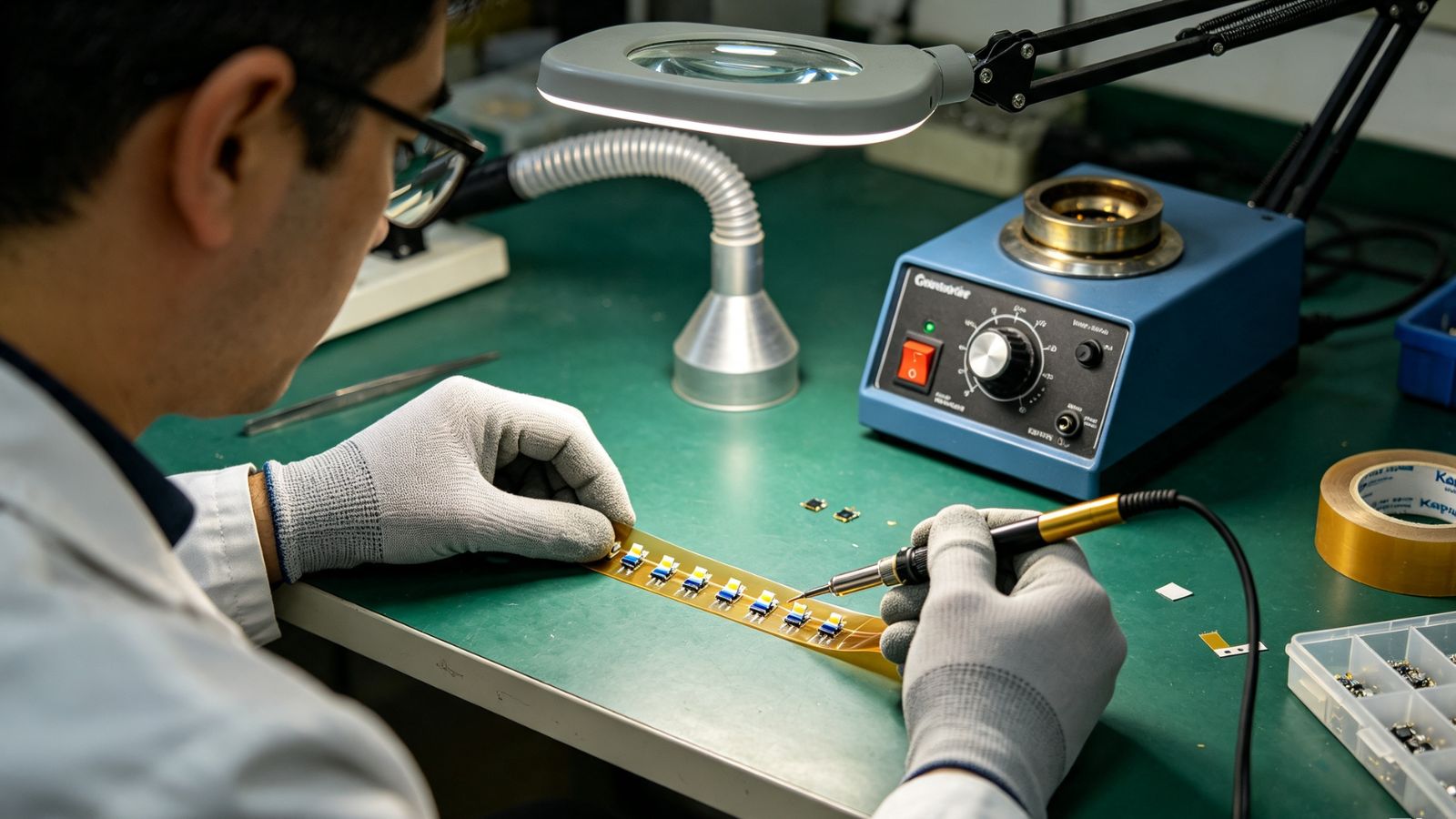
The first obstacle in wearable biosensor development is mechanical compatibility. Conventional electronics were never designed to operate on a living, moving surface. Silicon chips, metallic conductors, and traditional battery systems perform exceptionally well when mounted on rigid substrates, but human skin behaves very differently. It stretches, twists, compresses, and expands throughout the day. A device attached to the wrist during exercise experiences entirely different mechanical forces than the same device resting on a desk during a work session. Even minor shifts in positioning can introduce measurement errors, weaken sensor contact, and create significant signal distortion.
Researchers have responded by redesigning the physical architecture of wearable electronics rather than simply shrinking traditional devices. Stretchable substrates made from materials such as elastomers, hydrogels, and flexible polymers allow sensors to conform to the body's natural contours. Instead of relying on straight metallic pathways that fracture under tension, engineers often incorporate serpentine interconnects that absorb mechanical strain by unfolding gradually during movement. This design philosophy recognizes that durability depends less on material strength alone and more on the ability of electronic components to adapt to biological motion without compromising electrical performance.
Long-term wear introduces additional complications that extend beyond flexibility. Breathability, moisture management, and skin compatibility become equally important when a sensor remains attached for multiple days. Sweat accumulation beneath an impermeable surface can cause irritation, increase bacterial growth, and weaken sensor adhesion. To address these issues, modern wearable platforms increasingly incorporate porous membranes, nanofiber scaffolds, and breathable mesh structures that allow water vapor to escape while maintaining stable contact with the skin. These advances have transformed epidermal interfaces from simple attachment mechanisms into highly engineered biological integration systems capable of supporting continuous physiological monitoring.
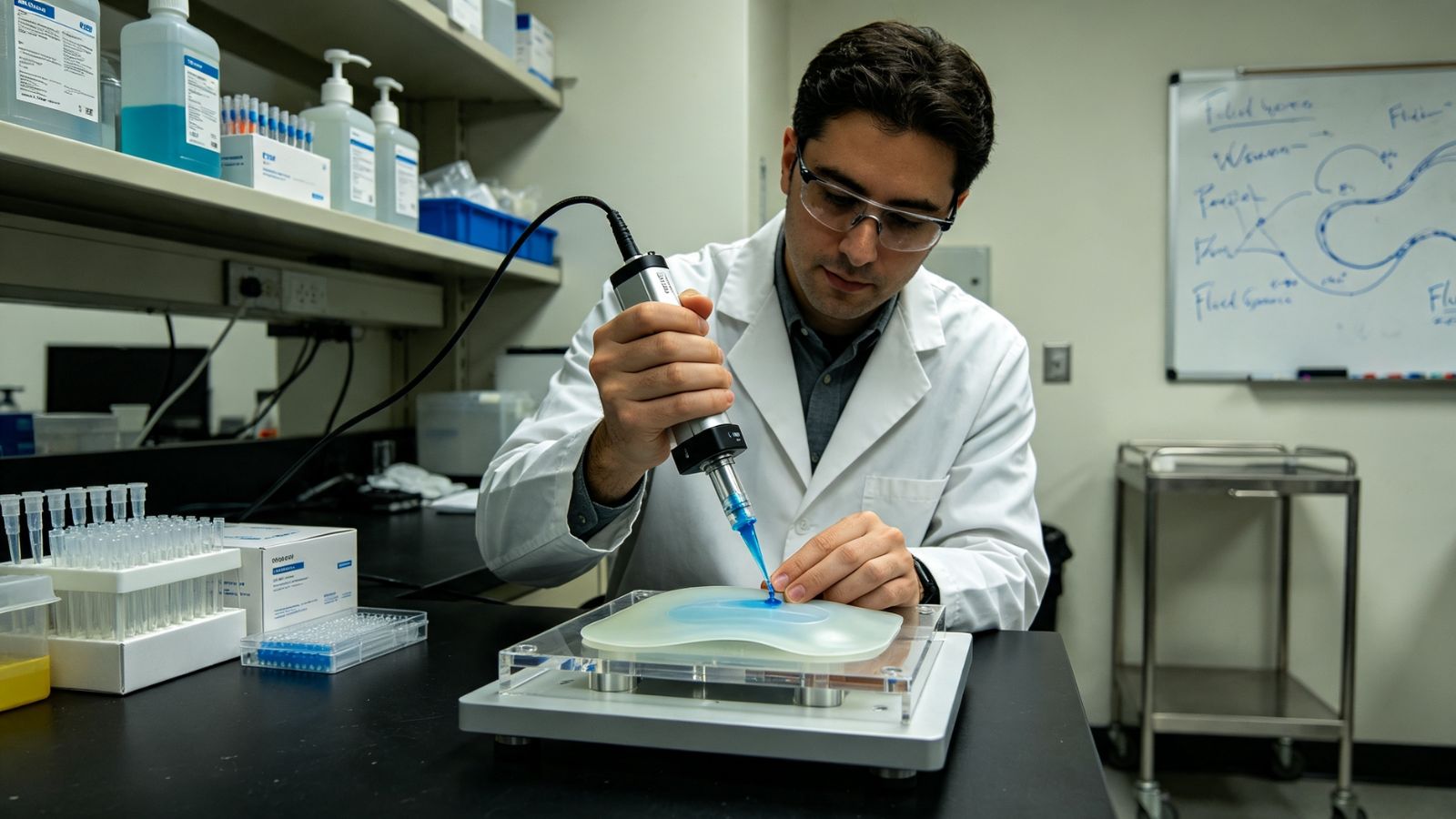
Most consumers associate optical biosensing with heart rate measurement because photoplethysmography became the defining technology behind early fitness trackers. By shining light into tissue and measuring changes in reflected light intensity, these devices estimate blood volume fluctuations associated with cardiac activity. Although this approach remains extremely useful, next-generation optical sensing platforms are expanding into far more sophisticated territory. Engineers are now exploring how multiple wavelengths of light can reveal deeper physiological information that extends beyond simple pulse detection.
Different biological molecules absorb and scatter light differently depending on wavelength. This principle allows researchers to use near-infrared and short-wave infrared spectroscopy to investigate tissue oxygenation, blood perfusion, hydration status, and metabolic activity. Instead of limiting analysis to superficial blood vessels located near the skin's surface, advanced optical systems attempt to characterize deeper microvascular networks and monitor subtle physiological changes occurring beneath the epidermis. This capability has enormous potential in sports science, rehabilitation medicine, post-surgical monitoring, and personalized health assessment, where detecting early physiological changes can be more valuable than identifying symptoms after they become obvious.
Maintaining optical accuracy outside a controlled laboratory environment remains a significant challenge. Human movement introduces substantial interference into optical measurements because every step, arm swing, or change in posture alters the relationship between the sensor and the underlying tissue. Modern wearable systems compensate for these disruptions by integrating accelerometers, adaptive filtering algorithms, and differential photodetectors that distinguish genuine physiological signals from movement artifacts. Flexible organic light-emitting devices and printable photodiodes further enhance these systems by allowing sensors to conform to curved anatomical surfaces such as the forehead, chest, or lower leg. These developments are gradually transforming optical sensing from a stationary clinical technique into a mobile, continuously operating technology.
Optical systems excel at measuring cardiovascular and hemodynamic processes, but they cannot directly identify many of the biochemical events occurring inside the body. Electrochemical biosensors address this limitation by analyzing molecules present in biofluids such as sweat, tears, and interstitial fluid. Instead of inferring physiological conditions indirectly, these sensors attempt to measure chemical changes directly, creating opportunities to monitor metabolism at the molecular level rather than relying exclusively on secondary indicators like heart rate or physical activity.
Many electrochemical systems depend on enzymes that react selectively with specific target molecules. When a molecule such as glucose or lactate encounters an immobilized enzyme attached to an electrode, the chemical reaction generates an electrical signal proportional to the analyte's concentration. The resulting current can then be quantified and converted into meaningful physiological information. This mechanism enables continuous monitoring strategies that would be difficult or impossible using conventional optical approaches. For example, measuring lactate concentrations during exercise may provide more direct insight into metabolic stress than relying solely on pulse measurements.
Despite their remarkable sensitivity, electrochemical sensors face persistent challenges related to long-term stability. Biological environments are chemically aggressive, and proteins, lipids, and cellular debris gradually accumulate on sensor surfaces through a process known as biofouling. As this material builds up, sensor accuracy begins to deteriorate. Engineers have developed multiple strategies to combat this problem, including specialized hydrogel coatings, anti-fouling membranes, nanomaterial-enhanced electrodes, and adaptive calibration algorithms that compensate for environmental fluctuations. The goal is not simply to maximize sensitivity during the first few hours of operation but to maintain reliable performance over days or weeks of continuous use.
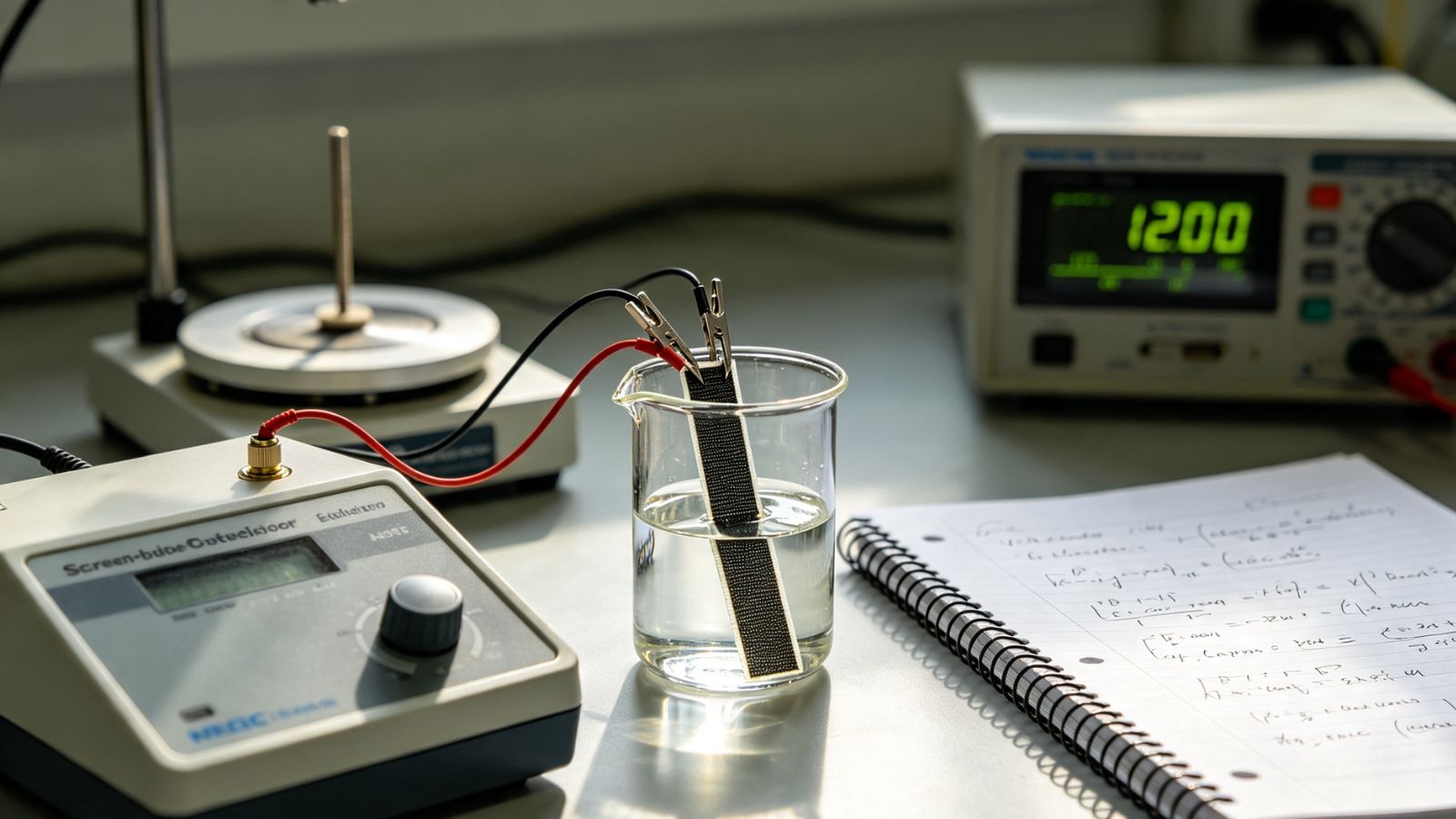
Collecting biological samples may appear straightforward, but fluid management represents one of the most difficult engineering problems in wearable biosensing. Sweat production varies dramatically across different parts of the body, and secretion rates fluctuate according to exercise intensity, ambient temperature, hydration status, stress, and individual physiology. Without precise control over sample collection, a sensor may repeatedly analyze old fluid that has accumulated beneath the device rather than measuring newly produced secretions. This seemingly minor issue can significantly distort biochemical measurements.
Microfluidic engineering provides an elegant solution by controlling how biological fluids move across the sensing platform. Engineers fabricate miniature channels within flexible substrates that guide fluids toward specific sensing regions using capillary forces rather than mechanical pumps. Carefully designed channel geometries regulate fluid velocity, separate fresh samples from older material, and maintain continuous contact between the biofluid and the sensing element. These systems often incorporate reservoirs, valves, and compartmentalized flow paths that ensure consistent sample delivery even during highly variable physiological conditions.
The importance of microfluidic control becomes particularly apparent during prolonged physical activity. Consider an endurance athlete completing a long-distance cycling session. Sweat composition changes continuously as electrolyte concentrations shift and hydration levels decline. A poorly designed sensor could generate misleading data because stagnant fluid remains trapped beneath the device. Effective microfluidic architectures eliminate this problem by continuously refreshing the sampled fluid, improving both accuracy and temporal resolution. As wearable technologies become increasingly sophisticated, fluid handling systems will likely become just as important as the sensors themselves.
The convergence of materials science, optical engineering, electrochemistry, and microfluidics is fundamentally changing the trajectory of wearable technology. Rather than collecting isolated health metrics at occasional intervals, next-generation biosensors are being designed to generate continuous streams of physiological information that reveal how the human body responds to activity, stress, environmental change, recovery, and disease. This shift has the potential to reshape everything from athletic performance optimization to chronic disease management and preventive healthcare.
Nevertheless, substantial engineering challenges remain. Sensor longevity, calibration stability, battery efficiency, data interpretation, and long-term biocompatibility continue to limit widespread adoption. Human physiology is extraordinarily dynamic, and designing electronics that can coexist with living tissue for extended periods requires solutions that extend far beyond traditional consumer electronics. Future breakthroughs will likely emerge from interdisciplinary collaboration among materials scientists, biomedical engineers, chemists, data scientists, and clinicians working toward a common objective.
The most significant lesson emerging from wearable biosensor research is that successful devices cannot simply be miniaturized versions of existing technologies. They must be designed specifically for the biological environment they inhabit. As stretchable electronics, advanced sensing platforms, and intelligent analytical systems continue to mature, wearable biosensors will become increasingly important tools for understanding the body's complex and constantly changing physiology. Supported by rigorous validation and thoughtful engineering, these technologies may eventually transform continuous health monitoring from an occasional convenience into a fundamental component of personalized medicine.