
Decoding the technologies of tomorrow, today.
Exploring the breakthrough innovations shaping our world. From AI infrastructure and robotics to biotech, quantum computing, and spatial tech.
Exploring the breakthrough innovations shaping our world. From AI infrastructure and robotics to biotech, quantum computing, and spatial tech.
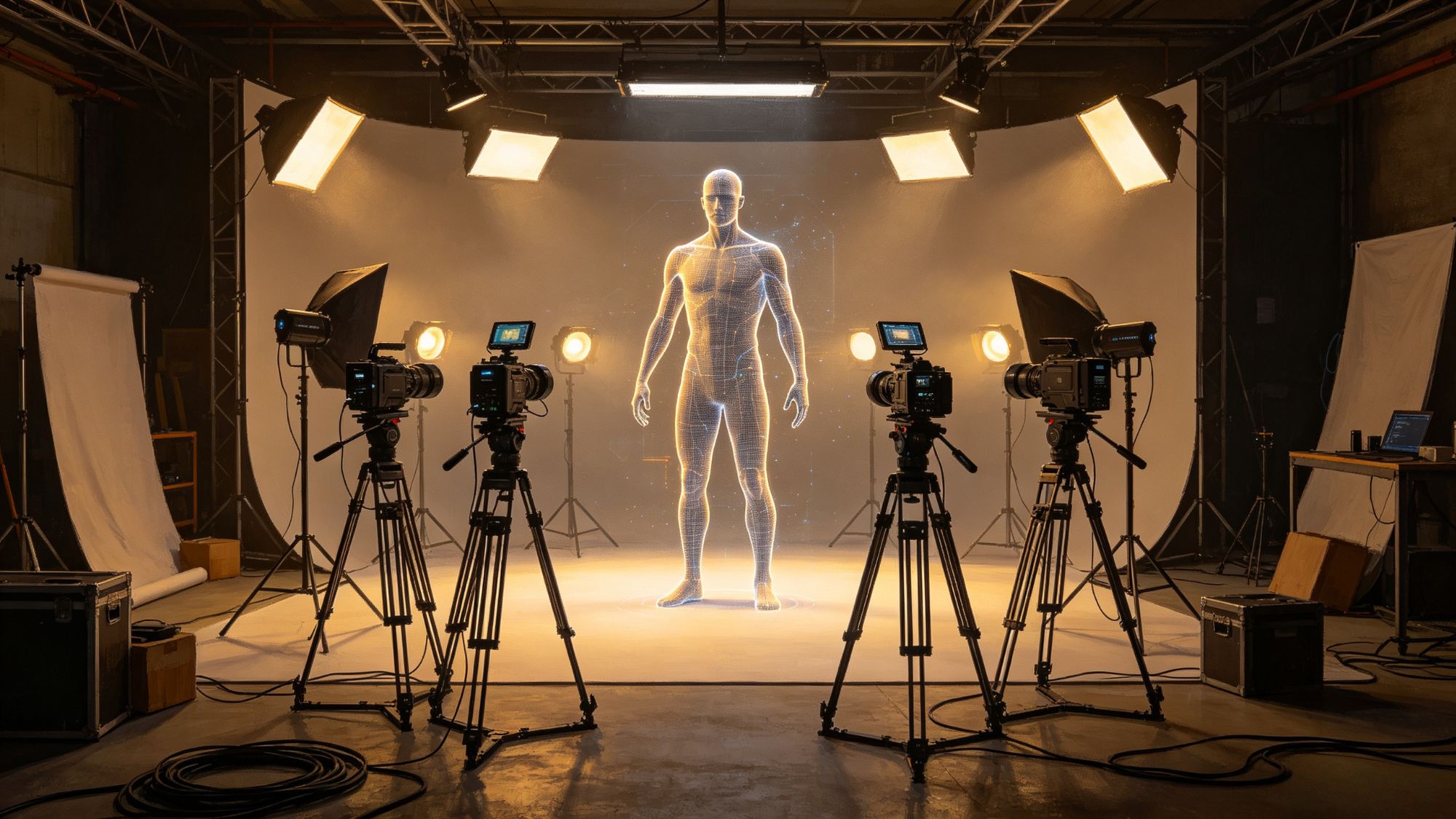
Traditional digital media has always been limited by perspective. Photographs and videos can preserve the appearance of objects, spaces, and performances, but they cannot fully represent depth, volume, and spatial relationships. Viewers observe these recordings from a fixed viewpoint rather than exploring the subject from different angles.
As spatial computing, virtual reality, and interactive digital design continue to develop, the demand for realistic three-dimensional representations has increased. Volumetric capture and 3D reconstruction provide a way to bridge physical environments and digital experiences by converting real-world objects, spaces, and performances into detailed digital assets that can be viewed and manipulated from multiple perspectives.
Unlike traditional 360-degree video, which places a flat recording inside a spherical environment, volumetric capture records depth information, surface geometry, and visual appearance from multiple viewpoints. This process requires specialized hardware, synchronized cameras, and powerful reconstruction software.
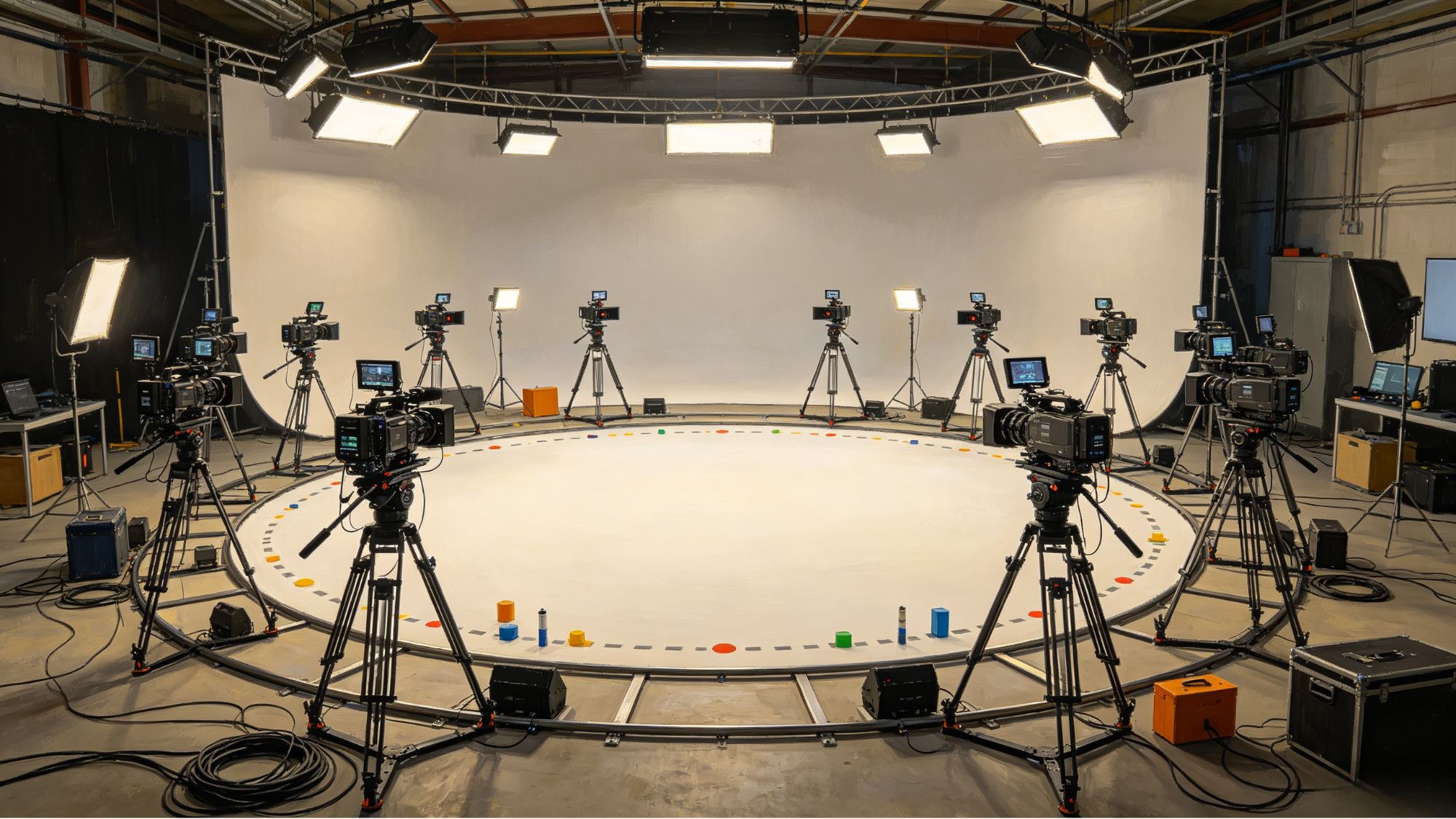
Professional volumetric capture stages typically consist of large camera arrays surrounding a dedicated recording area. These setups may include dozens of synchronized RGB cameras combined with infrared or depth sensors.
As a performer moves within the capture space, every camera records the scene from a different angle at the same moment. The collected visual data provides the foundation for reconstructing the subject’s shape, movement, and appearance in three dimensions.
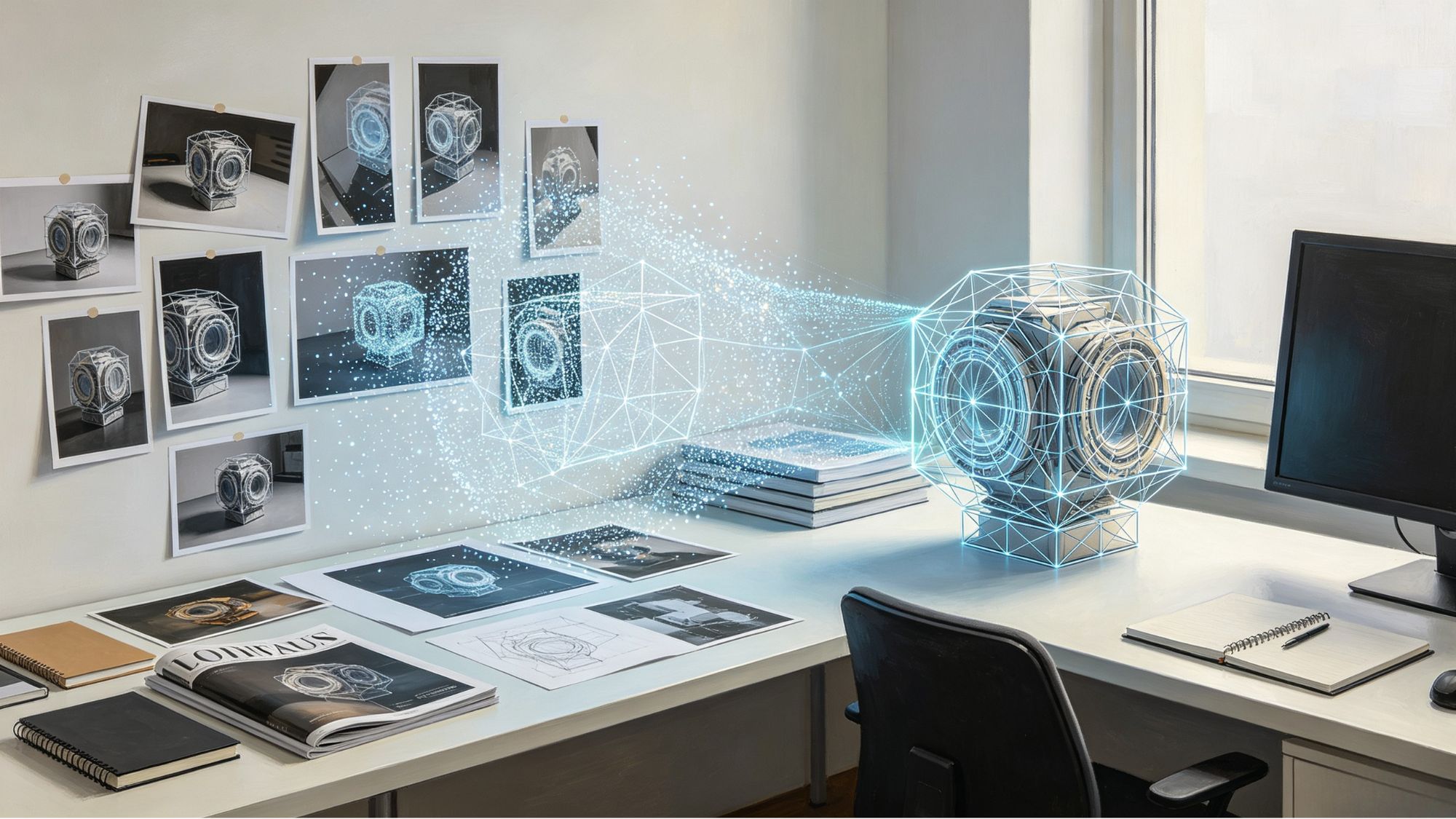
After capturing raw footage, reconstruction software processes the data using techniques such as Multi-View Stereo (MVS) and visual hull algorithms.
Silhouette Analysis: The system compares the subject’s outline from different camera positions and calculates where these overlapping views intersect in three-dimensional space.
Point Cloud and Mesh Creation: The reconstructed geometry is converted into dense point clouds and polygon-based 3D meshes, which can then be combined with texture information to create digital assets suitable for real-time engines.
The final result is a volumetric representation that can preserve movement and spatial details, allowing users to view captured subjects from different viewpoints instead of watching a fixed camera recording.
Although both photogrammetry and volumetric capture create three-dimensional digital models, they are designed for different types of content. Photogrammetry is generally optimized for static objects, while volumetric capture focuses on moving subjects.
Photogrammetry reconstructs 3D models by analyzing a large collection of overlapping photographs taken from multiple angles. It is widely used for scanning objects, buildings, archaeological sites, and environments.
Feature Matching: Software identifies shared visual patterns across images and calculates the spatial relationship between camera positions. These measurements are then used to estimate the object’s three-dimensional structure.
Limitations: Because the process depends on consistent visual features, movement during capture can introduce errors. Changing lighting conditions, reflective surfaces, and transparent materials can also reduce reconstruction accuracy.
Volumetric capture is designed for subjects that move over time. By synchronizing multiple cameras at high frame rates, the system can record human performances, sports movements, and interactive actions.
Unlike photogrammetry, which usually creates a single static model, volumetric capture produces time-based 3D content that preserves motion and spatial presence.
Turning physical reality into interactive digital content introduces significant engineering challenges, particularly around processing requirements, storage efficiency, and visual accuracy.
High-resolution volumetric recordings can generate extremely large amounts of raw geometric and texture data. Each frame may contain complex 3D information that requires significantly more storage and processing power than traditional video.
To make volumetric assets practical for real-time applications, developers use techniques such as mesh compression, level-of-detail optimization, and progressive loading. These methods reduce computational requirements while maintaining acceptable visual quality.
Reconstruction systems perform best when surfaces contain clear visual information. Materials such as transparent glass, highly reflective metals, dark surfaces, and fine details like hair can create difficulties for cameras and depth sensors.
To improve results, engineers combine multiple sensing methods with advanced processing techniques, including machine learning-based reconstruction, surface completion, and improved calibration methods.
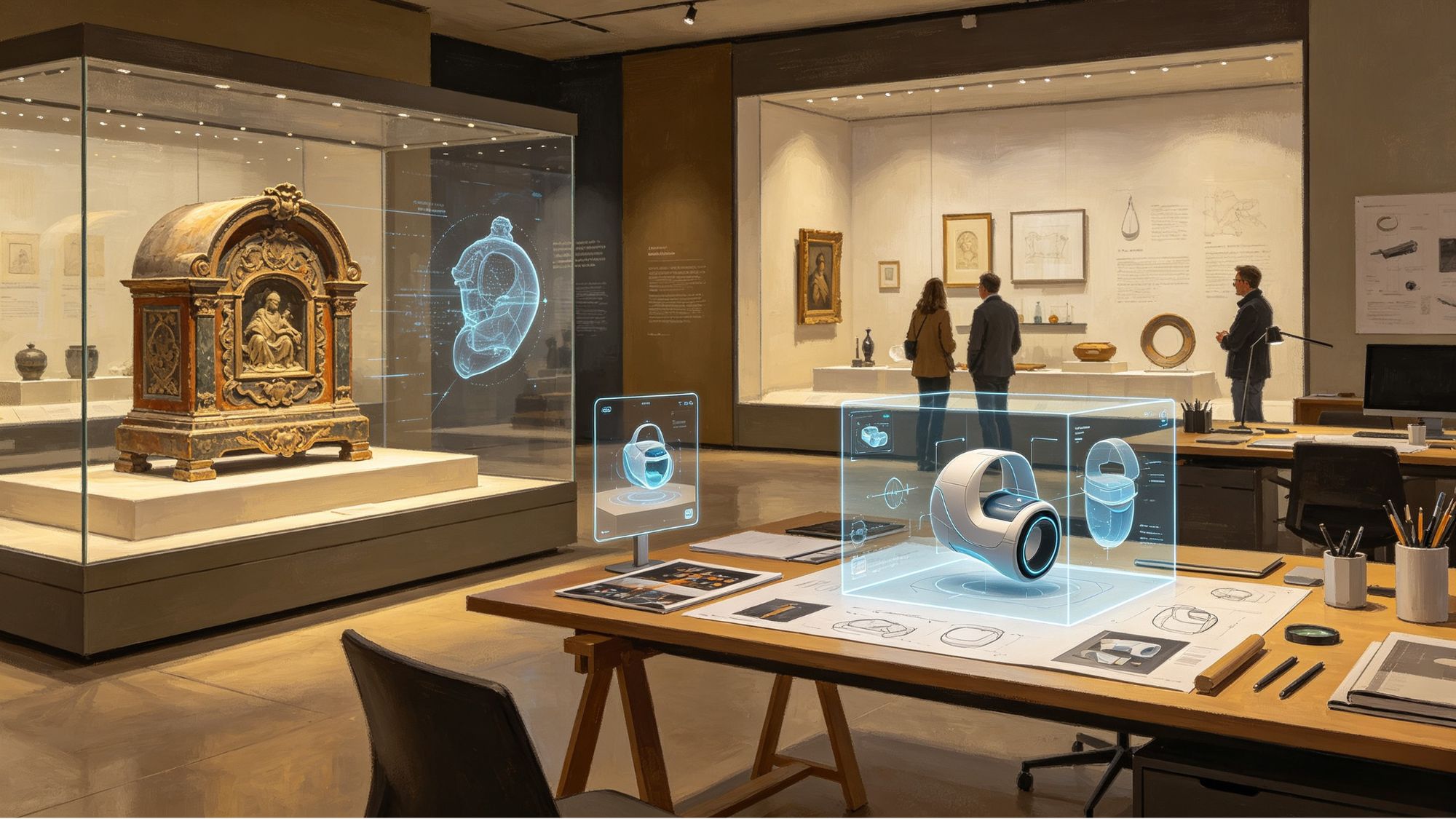
The ability to convert real-world subjects into interactive 3D assets has created opportunities across multiple industries:
Immersive Entertainment and Sports: Media companies are exploring volumetric capture to create more interactive viewing experiences, allowing audiences to observe performances or sporting moments from different perspectives. However, adoption remains influenced by production costs, processing complexity, and delivery requirements.
Cultural Heritage Preservation: Museums and research organizations use photogrammetry, LiDAR scanning, and 3D reconstruction to digitally preserve historical objects, artworks, and architectural locations.
E-Commerce and Retail: Retail platforms can use 3D models to help customers examine products from multiple angles or preview how physical items may appear in real environments through augmented reality.
Volumetric capture and 3D reconstruction represent an important evolution from traditional two-dimensional media toward more spatial forms of digital representation. By combining multi-camera systems, computer vision algorithms, and advanced rendering techniques, these technologies transform real-world objects, environments, and performances into interactive digital assets.
Although challenges remain in areas such as cost, processing requirements, and large-scale deployment, continued improvements in hardware and software are making volumetric content increasingly accessible. As spatial computing develops, realistic 3D representations will become an important component of future digital experiences, design workflows, and immersive applications.