
Decoding the technologies of tomorrow, today.
Exploring the breakthrough innovations shaping our world. From AI infrastructure and robotics to biotech, quantum computing, and spatial tech.
Exploring the breakthrough innovations shaping our world. From AI infrastructure and robotics to biotech, quantum computing, and spatial tech.
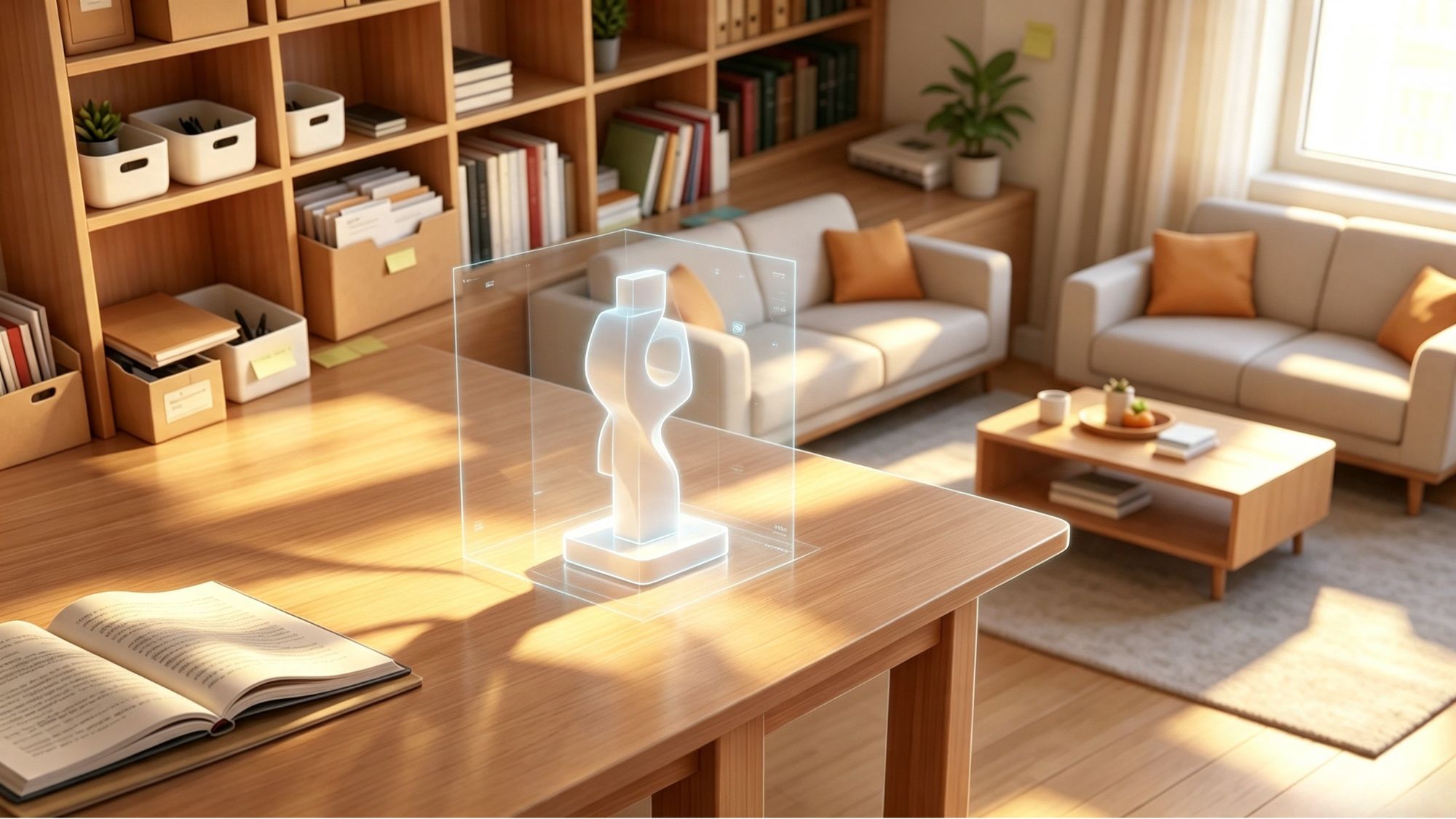
One of the most important challenges in augmented reality (AR) and mixed reality (MR) is making digital objects feel like they truly belong in the physical world.
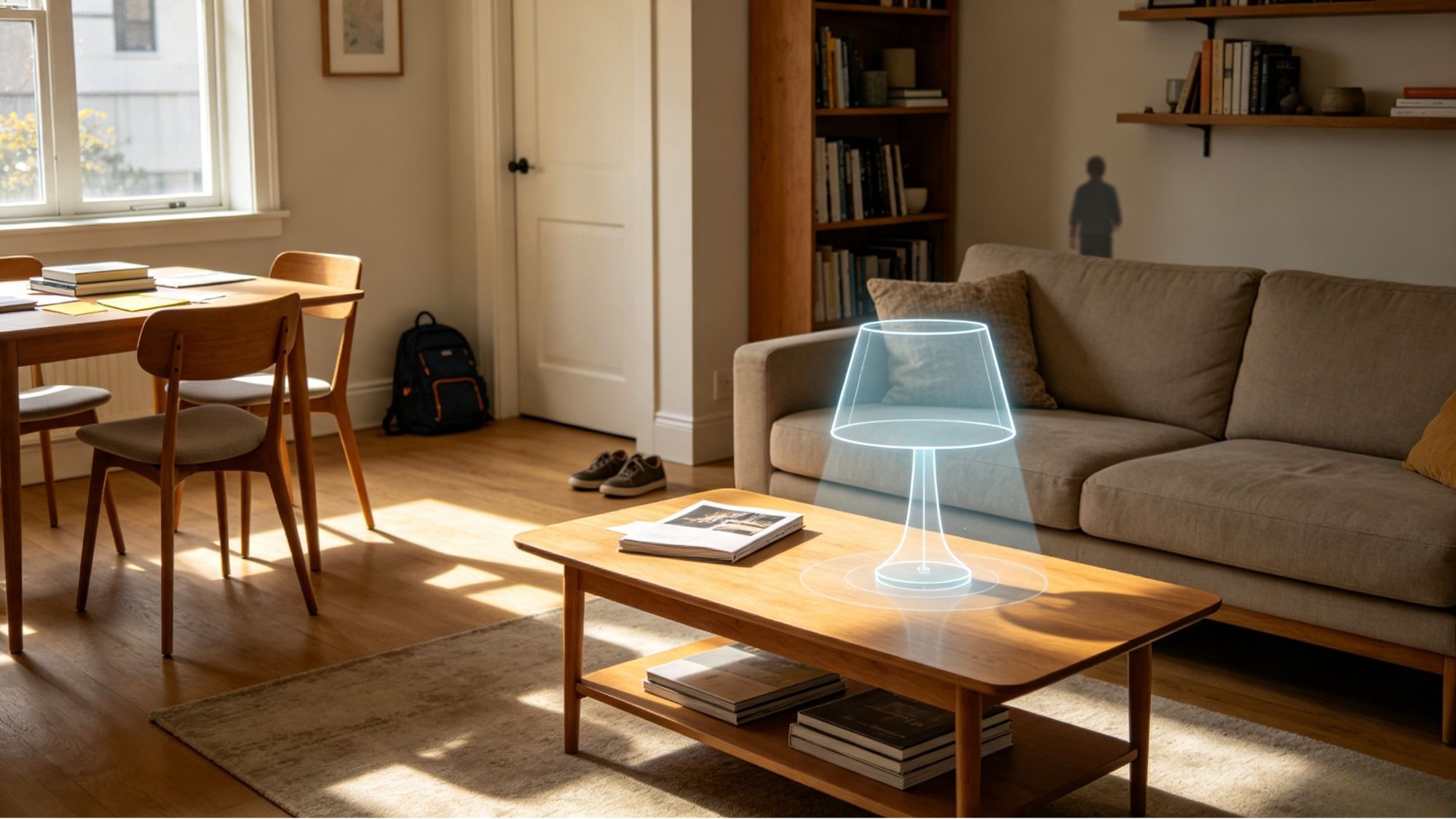
When a user places a virtual lamp on a living room table, leaves an AR note on a wall, or views a 3D model through a headset, the experience depends on one critical feature: the digital object must remain in the same location.
A virtual object that moves unexpectedly or disappears after restarting an application quickly breaks the illusion. To prevent this, modern spatial computing systems use a combination of sensors, computer vision, and coordinate tracking technologies. This process is often called world locking—the ability to keep digital content attached to a stable position in physical space.
Behind this simple experience is a complex system that allows devices to understand their surroundings and remember where virtual objects belong.
Unlike traditional virtual reality systems that operate in controlled environments, AR devices must understand constantly changing real-world spaces.
A headset or smart glasses device uses several sensors to estimate its position, including cameras, motion sensors, and depth scanners. These systems continuously analyze the environment while the user moves.
One of the key technologies behind this process is SLAM (Simultaneous Localization and Mapping). In simple terms, SLAM allows a device to answer two questions at the same time:
Where am I located?
What does the surrounding environment look like?
To achieve this, the system follows several steps.
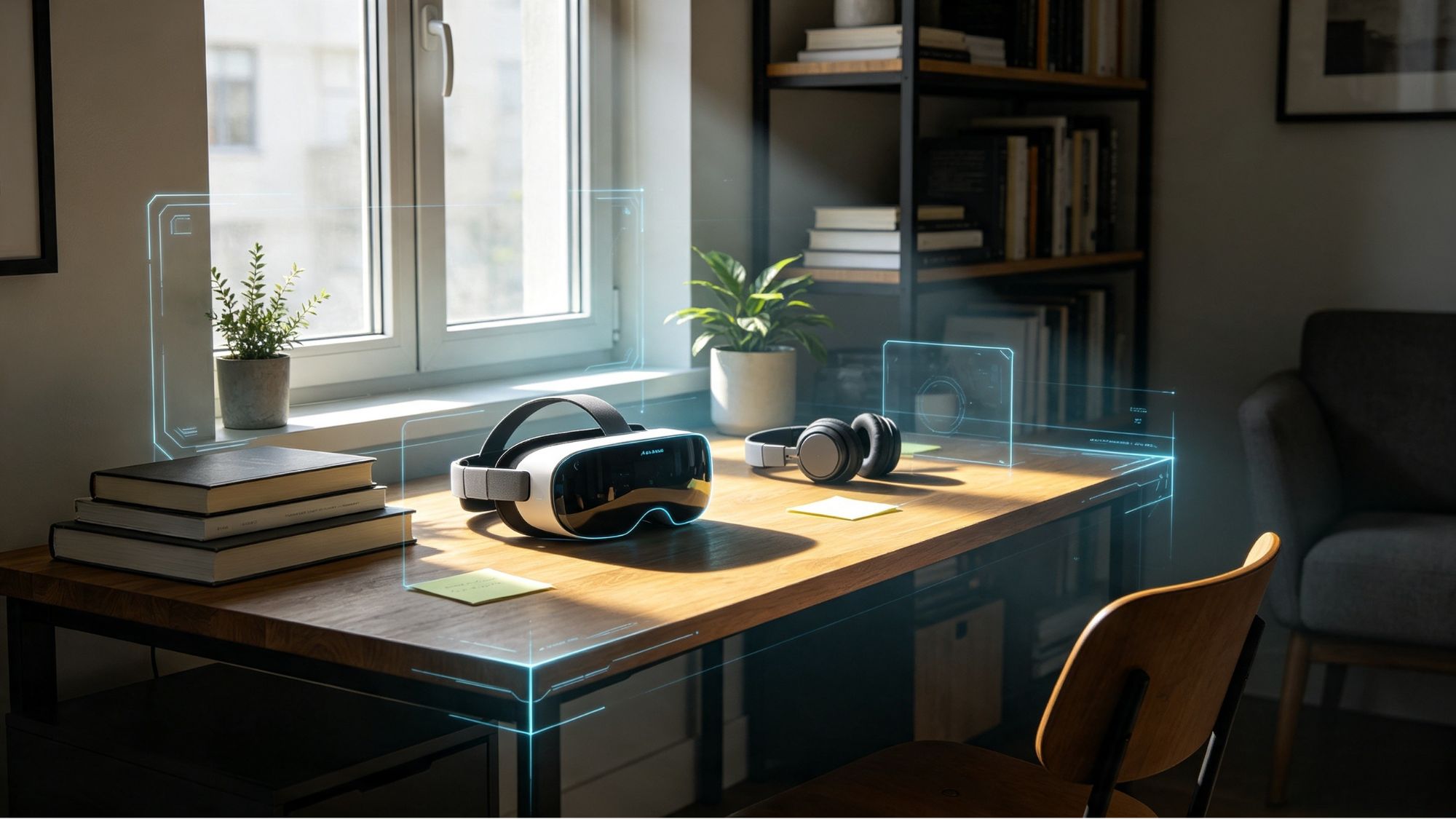
Cameras capture details from the environment, such as:
The corner of a table
A window frame
Patterns on a wall
Unique textures on nearby objects
These visual features act as reference points that help the device understand movement.
As the user moves, the system compares new camera information with previously identified features. By calculating these changes, the device estimates its position and orientation.
This allows virtual objects to remain aligned with the physical environment instead of floating randomly.
When a user places a virtual object, the system creates a spatial anchor.
A spatial anchor connects the digital object to specific environmental references. Instead of saying “place this object two meters in front of the headset,” the system records where the object exists relative to the surrounding world.
This is what allows a virtual picture frame to remain attached to a wall even after the user looks away and returns later.
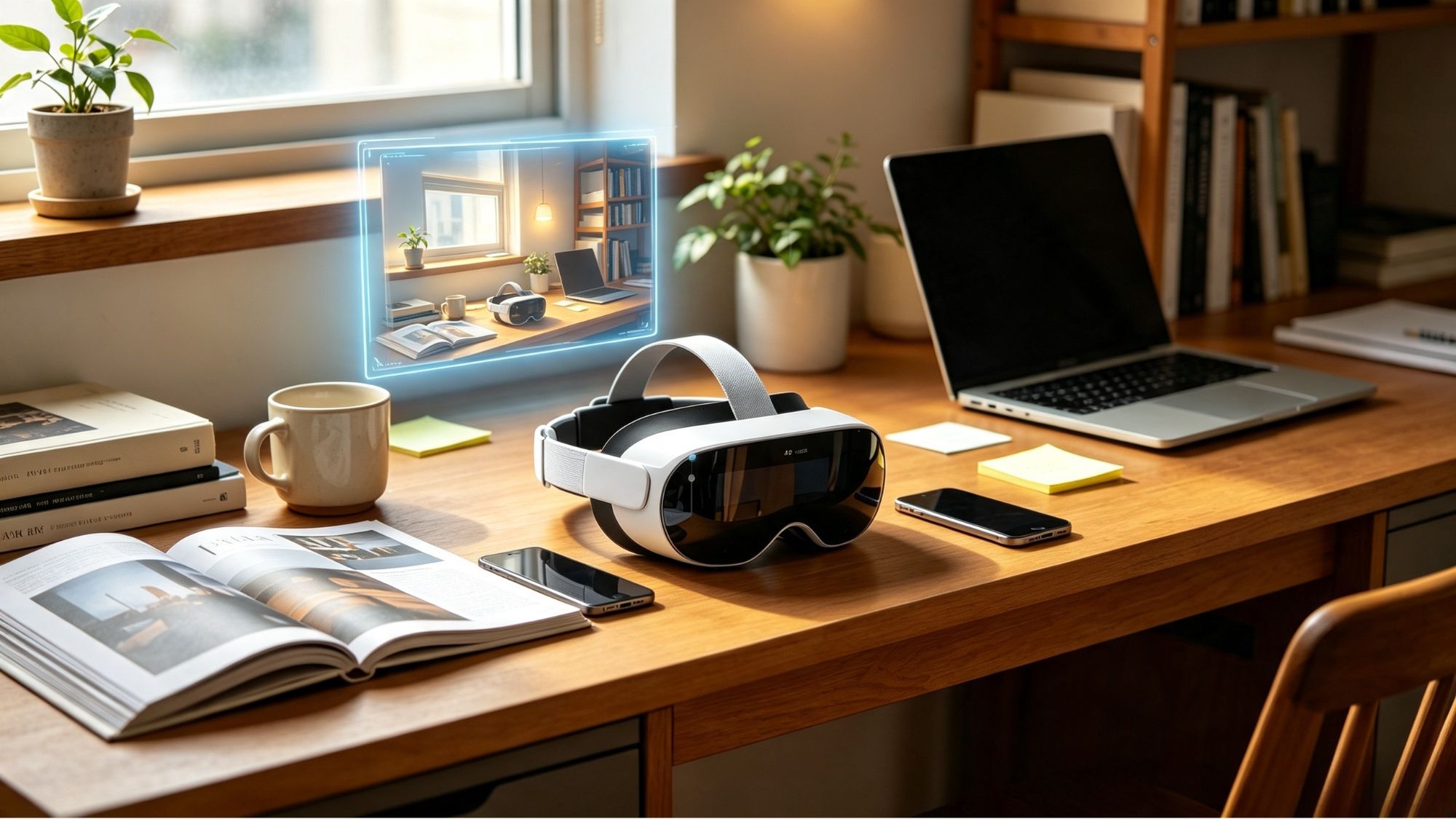
Not all anchors work in the same way.
Some systems rely on local anchors that exist only during a single session. These are useful for short interactions but have limitations.
For example, if a user places a virtual object in a room and closes the application, the device may struggle to find the exact location again if:
Lighting conditions have changed
Furniture has moved
The environment looks different
Small tracking errors can accumulate over time, causing slight movement between the digital object and its real-world position.
To solve this problem, many modern platforms use more persistent spatial mapping methods.
For experiences involving multiple users or long-term environments, devices may rely on cloud-based spatial systems.
Instead of storing only temporary local information, the system can create a digital representation of an environment. When a user returns later, the device scans the surroundings and compares the information with previously stored spatial data.
If the system recognizes enough matching features, it can restore the position of previously placed virtual objects.
This technology enables experiences such as:
Multiple people viewing the same AR design model
Museum visitors seeing digital information attached to exhibits
Employees accessing persistent instructions in industrial environments
The goal is not simply placing a virtual object once, but allowing that object to remain meaningful over time.
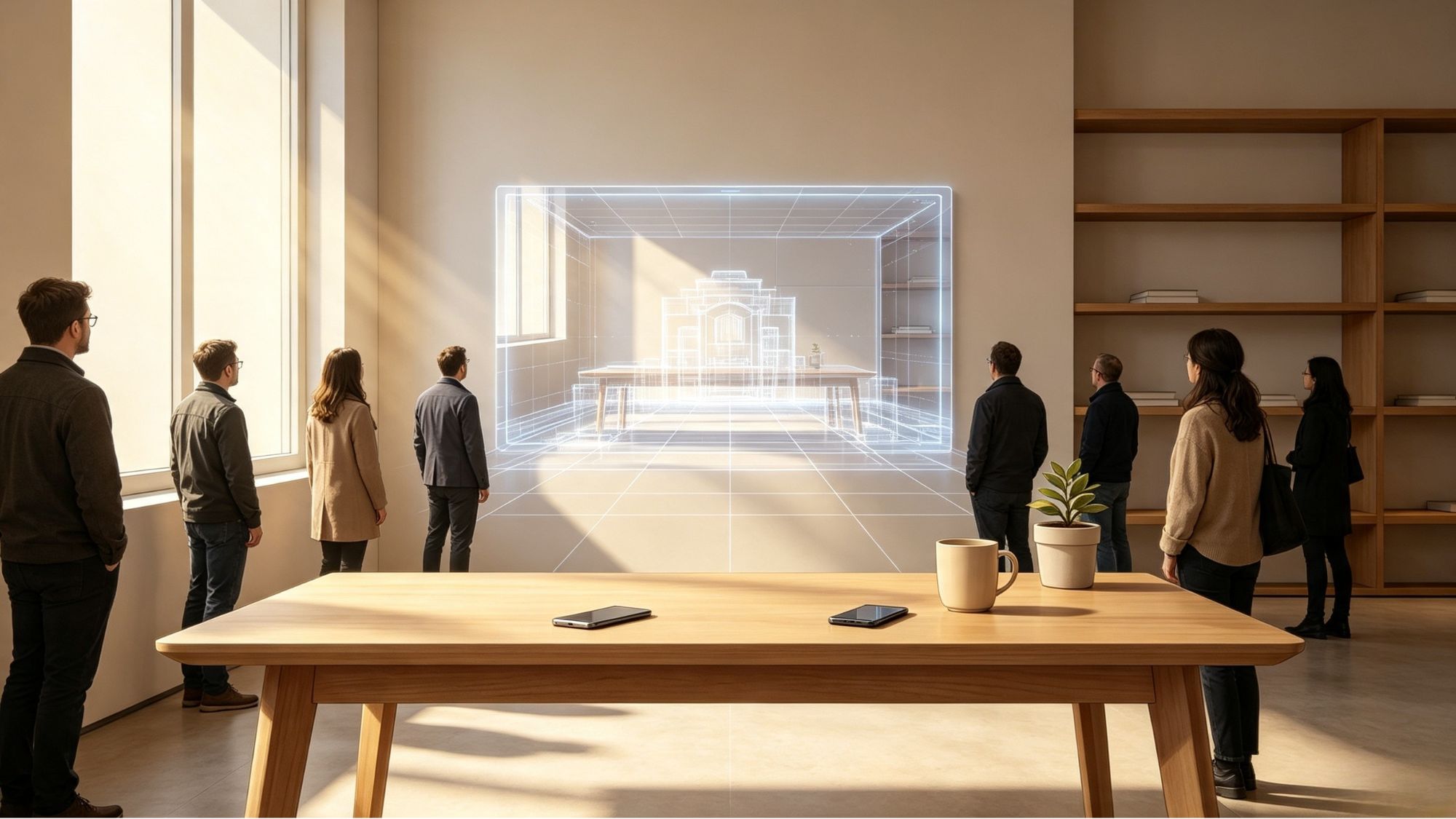
Physical environments are constantly changing. People move furniture, lighting conditions change, and objects appear or disappear.
A reliable world-locking system must decide which environmental features are trustworthy.
For example, a stack of books on a desk may move frequently, while a doorway or wall corner is much more stable. Advanced systems assign different levels of importance to different visual features.
When temporary tracking problems occur, devices may combine camera information with motion sensors to estimate movement until they can recognize the environment again.
A well-designed AR experience should avoid sudden jumps or unrealistic movement when tracking is temporarily interrupted.
Developers creating AR applications must consider several factors when working with world locking.
Virtual objects placed on detailed, stable surfaces usually remain more reliable than objects attached to blank walls or reflective surfaces.
Textures, edges, and structural features provide stronger reference points for tracking systems.
For important applications, relying on a single reference point may not be enough. Multiple anchors can improve reliability when one part of the environment changes.
This is especially useful in professional environments such as manufacturing, training, or design collaboration.
Because spatial computing devices analyze physical environments, privacy is an important consideration.
Responsible systems minimize unnecessary data collection and process environmental information carefully, especially when users scan private homes or workplaces.
World locking is one of the technologies that makes augmented and mixed reality feel natural. By combining spatial anchors, computer vision, and environmental mapping, modern devices can keep digital objects connected to real-world locations.
Although current systems still face challenges such as environmental changes and tracking limitations, continued improvements in sensors and algorithms are making persistent digital environments more reliable.
As AR technology develops, the ability to blend digital information with physical spaces will become increasingly common in entertainment, education, design, and everyday workflows.