
Decoding the technologies of tomorrow, today.
Exploring the breakthrough innovations shaping our world. From AI infrastructure and robotics to biotech, quantum computing, and spatial tech.
Exploring the breakthrough innovations shaping our world. From AI infrastructure and robotics to biotech, quantum computing, and spatial tech.
For much of modern biology, cellular development was considered a one-way process. Once a cell matured into a neuron, a skin cell, or a muscle cell, its identity was believed to be permanently fixed. Although every cell in the human body contains essentially the same genetic blueprint, scientists assumed that developmental specialization irreversibly locked cells into distinct functional roles through stable epigenetic modifications. This understanding shaped decades of research in developmental biology and reinforced the idea that aging and cellular decline were largely unavoidable consequences of time.
The discovery of cellular reprogramming fundamentally challenged that assumption. Researchers demonstrated that mature cells could be pushed backward along the developmental pathway and returned to a pluripotent state, where they regained the ability to develop into multiple tissue types. This breakthrough led to the development of induced pluripotent stem cells (iPSCs), one of the most influential advances in regenerative medicine during the past two decades. Rather than relying exclusively on donor tissues or embryonic stem cells, scientists gained access to a flexible platform capable of generating patient-specific cells for disease modeling, tissue engineering, drug discovery, and experimental regenerative therapies.
At the same time, cellular reprogramming has expanded the scientific conversation surrounding aging. Researchers are now investigating whether some age-related cellular changes might be partially reversible through targeted manipulation of epigenetic mechanisms. Although many of these investigations remain in the experimental stage, they have introduced new ways of thinking about cellular plasticity, tissue regeneration, and the biological processes that influence health over time. Understanding how reprogramming works requires examining the molecular mechanisms behind pluripotency, the practical applications of iPSC technology, and the limitations that continue to shape this rapidly evolving field.
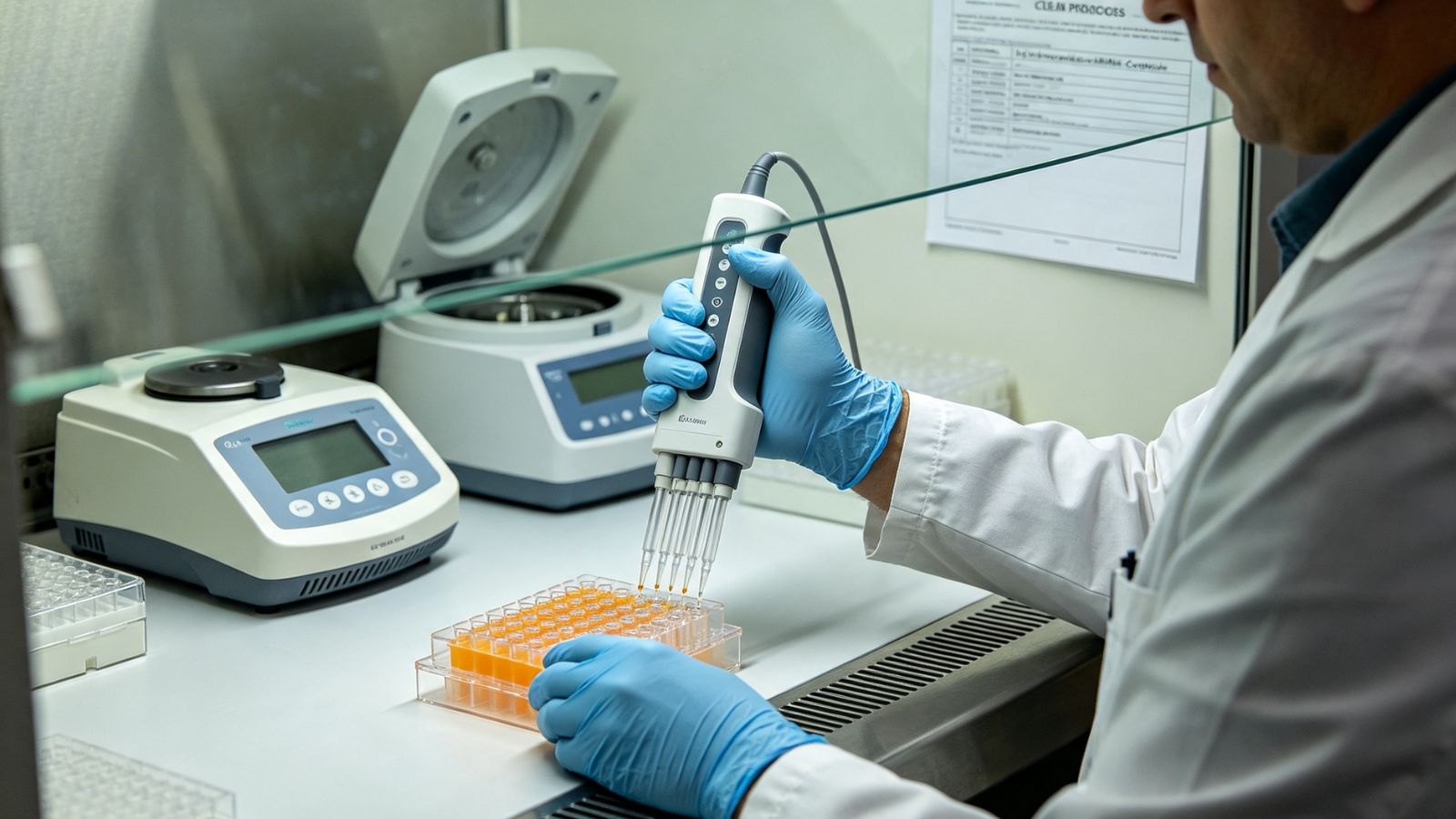
The conceptual foundation of cellular reprogramming emerged long before iPSCs entered the scientific mainstream. Early experiments involving somatic cell nuclear transfer suggested that mature cells retained the complete genetic information necessary to generate an entire organism. These findings challenged the long-standing belief that cellular differentiation permanently altered the genome itself. Instead, researchers began to recognize that cellular identity was controlled primarily through gene regulation rather than irreversible genetic modification. This distinction opened the possibility that mature cells might eventually be reprogrammed under the right molecular conditions.
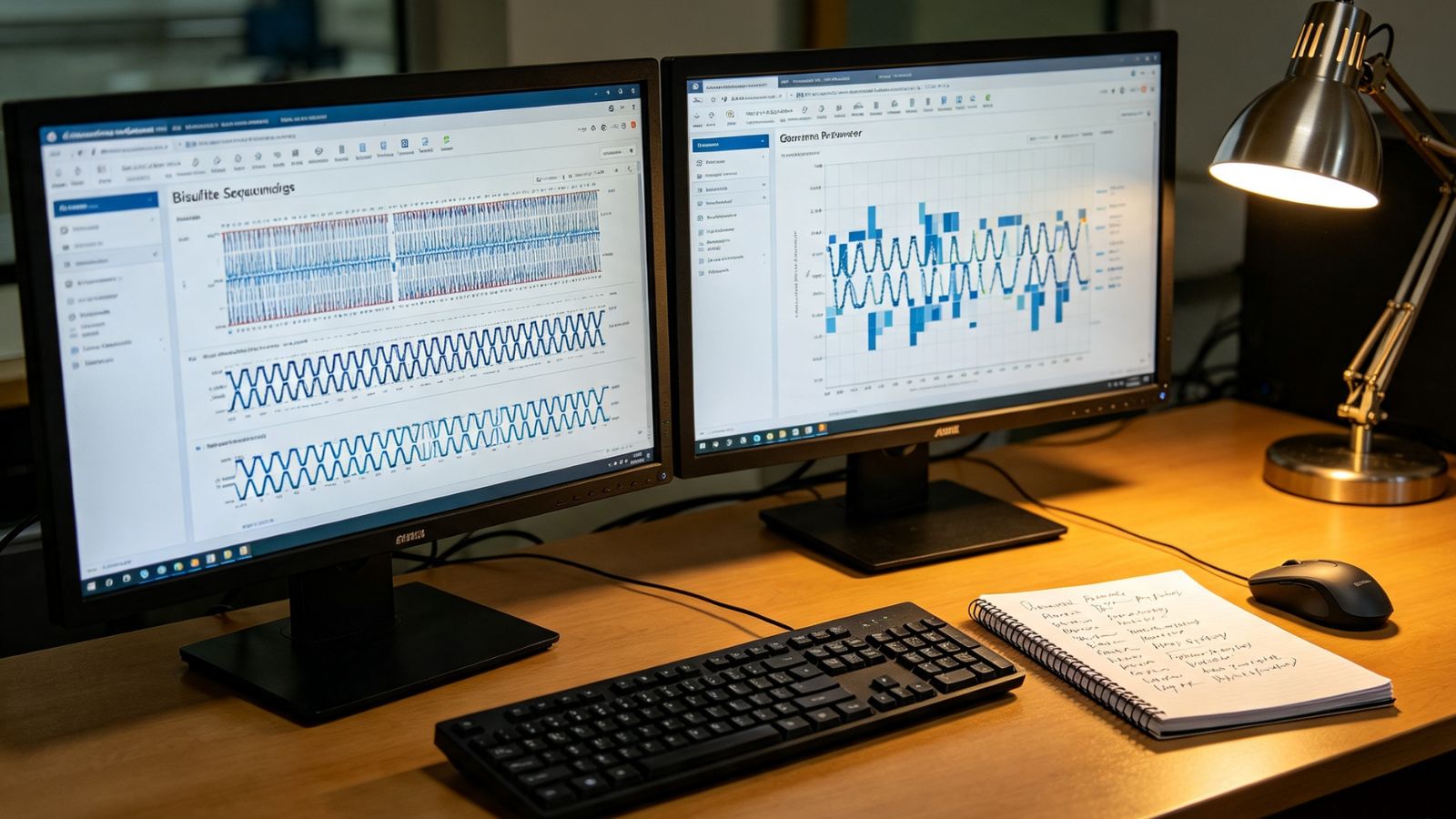
A major breakthrough occurred when researchers identified a small group of transcription factors capable of inducing pluripotency in differentiated cells. Often referred to as the Yamanaka factors, Oct4, Sox2, Klf4, and c-Myc function as master regulators of developmental pathways. When introduced into mature somatic cells, these proteins gradually alter gene expression patterns, reactivate embryonic regulatory networks, and suppress specialized cellular programs. The process does not simply switch a single gene on or off. Instead, it reorganizes large portions of the epigenetic landscape, influencing DNA methylation patterns, chromatin accessibility, and transcriptional activity across thousands of genomic regions.
The resulting cells share many molecular and functional characteristics with embryonic stem cells, including the ability to differentiate into cell types derived from the ectoderm, mesoderm, and endoderm. Importantly, iPSC technology reduced the scientific community's dependence on embryonic stem cells and expanded opportunities for personalized research. Because these cells can be generated from adult tissues such as skin or blood samples, researchers can create patient-specific cellular models that preserve an individual's unique genetic background. This capability transformed iPSCs from an experimental curiosity into one of the foundational technologies of modern regenerative biology.
One of the most significant contributions of iPSC technology is its ability to support tissue engineering and regenerative medicine. Traditional transplantation strategies often depend on donor organs or donor-derived tissues, both of which present major challenges related to supply shortages and immune rejection. Patient-derived pluripotent cells offer a potential alternative by creating tissues that are genetically compatible with the recipient. Although researchers continue to face substantial technical and safety barriers, the ability to generate replacement cells directly from an individual's own tissues has fundamentally changed the direction of regenerative research.
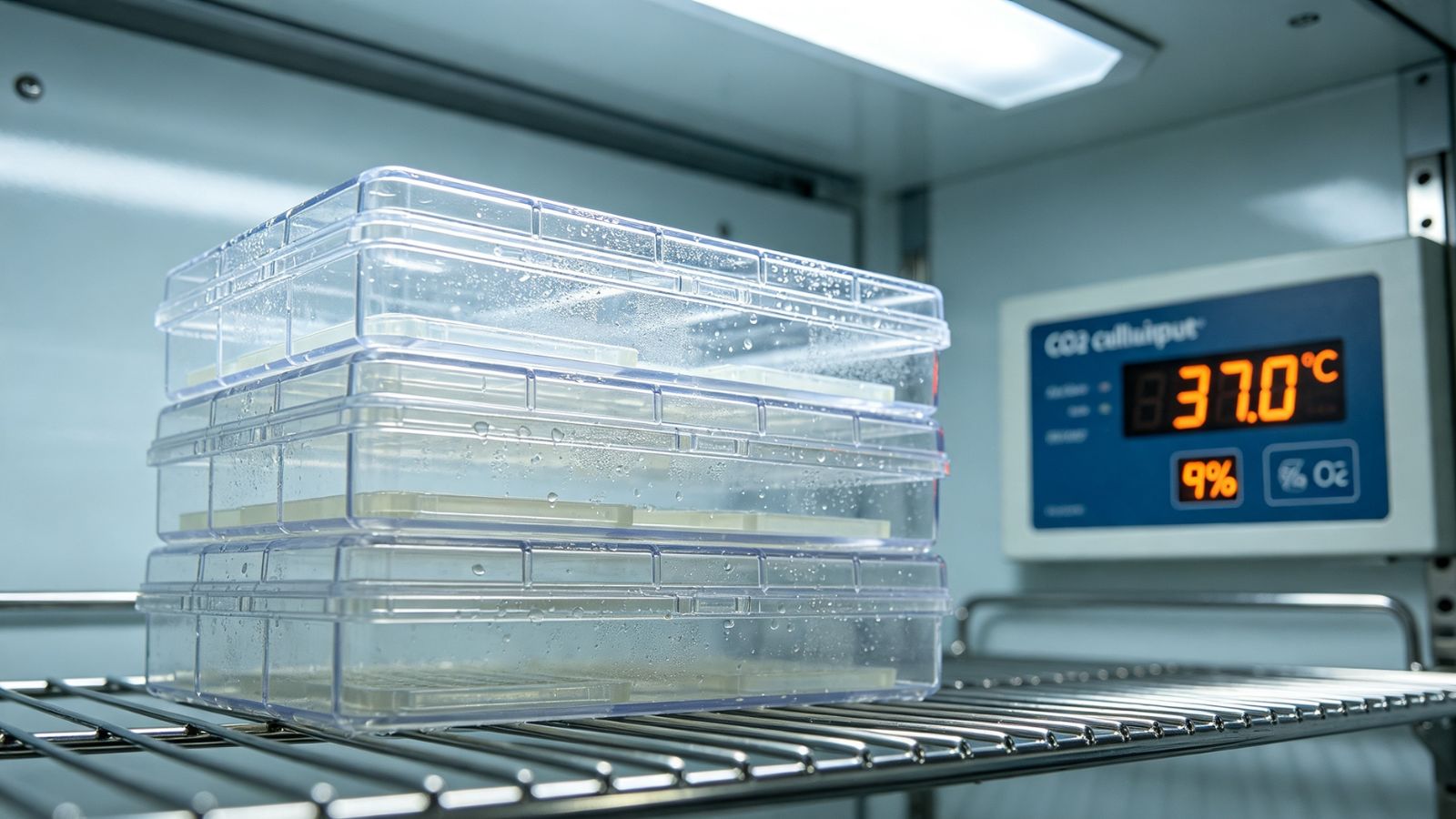
In laboratory environments, scientists guide pluripotent cells toward specific developmental pathways using carefully controlled combinations of growth factors, signaling molecules, extracellular matrices, and biomaterial scaffolds. This approach allows researchers to generate specialized cells such as cardiomyocytes, pancreatic cells, retinal cells, and neural progenitors. In cardiovascular research, for example, scientists use iPSC-derived heart cells to investigate cardiac disorders and evaluate experimental therapies. In neurology, patient-specific neurons provide valuable models for studying disorders such as Parkinson's disease and amyotrophic lateral sclerosis. Rather than relying exclusively on animal models, researchers can observe disease progression in human-derived cells that carry the same genetic mutations found in affected patients.
Beyond regenerative applications, iPSCs have become an essential tool for pharmaceutical development. Drug discovery traditionally relied on generalized cell lines that often failed to reproduce the complexity of human disease. Patient-derived iPSC models allow researchers to test therapeutic compounds against disease-specific cellular phenotypes before advancing to clinical trials. This strategy improves mechanistic understanding while supporting more individualized approaches to treatment development. Although personalized regenerative therapies remain largely experimental, the research infrastructure built around iPSC technology has already transformed biomedical investigation across multiple disciplines.
The relationship between cellular reprogramming and aging has become one of the most closely watched areas of contemporary biomedical research. Aging involves multiple biological processes, including genomic instability, mitochondrial dysfunction, altered protein homeostasis, chronic inflammation, and epigenetic drift. Among these mechanisms, epigenetic drift has attracted particular attention because it influences how genes are regulated throughout an organism's lifespan. Researchers have observed that age-related changes in DNA methylation and chromatin organization can gradually disrupt normal cellular function, contributing to physiological decline across tissues and organ systems.
This observation led scientists to explore whether limited exposure to reprogramming factors might reverse certain age-associated molecular changes without completely erasing cellular identity. Known as partial reprogramming, this strategy differs substantially from traditional iPSC generation. Instead of fully resetting a cell to an embryonic state, researchers apply reprogramming signals for shorter periods in an attempt to preserve the cell's specialized function while modifying selected epigenetic markers. In experimental animal models, these interventions have produced intriguing results involving tissue repair, cellular regeneration, and improvements in selected physiological measurements associated with aging.
However, it is important to distinguish experimental findings from established clinical practice. Most evidence supporting partial reprogramming currently comes from preclinical studies rather than approved human therapies. While researchers continue to investigate whether epigenetic rejuvenation can improve tissue function, many fundamental questions remain unanswered. Scientists still need to determine how much reprogramming is beneficial, which tissues respond most effectively, and how long any observed effects persist. The field remains promising, but it is far too early to interpret current findings as evidence that human aging can be reversed through existing medical interventions.
Despite its transformative potential, cellular reprogramming introduces significant biological risks that complicate clinical implementation. One of the most widely recognized concerns involves tumor formation. Some of the original reprogramming factors influence cellular proliferation and have known associations with oncogenic pathways. If reprogramming is incomplete, poorly controlled, or combined with integrating viral delivery systems, unwanted genetic alterations may occur. Additionally, residual pluripotent cells within engineered tissues can continue dividing after transplantation, increasing the risk of abnormal tissue growth.
Researchers have responded by developing alternative delivery strategies that avoid permanent genetic integration. Non-integrating approaches based on messenger RNA, episomal vectors, protein delivery, and small molecules are designed to reduce genomic disruption while maintaining reprogramming efficiency. At the same time, scientists continue to refine differentiation protocols that minimize contamination by undifferentiated cells. These improvements represent important steps toward safer regenerative applications, but they do not eliminate the need for extensive validation and long-term monitoring.
Another major challenge involves epigenetic memory. Studies suggest that iPSCs often retain molecular characteristics inherited from their original tissue source. Cells generated from skin fibroblasts, for example, may display subtle biases that influence future differentiation patterns. This variability complicates efforts to standardize therapeutic products and can affect experimental reproducibility across laboratories. Manufacturing consistency, quality control, genetic stability, and large-scale production remain active areas of investigation. Until these issues are resolved, the transition from experimental platforms to routine clinical therapies will continue to progress cautiously rather than rapidly.
One of the most important distinctions in regenerative medicine is the difference between technologies that are already established and those that remain experimental. Disease modeling using iPSCs is now a routine research practice in many laboratories. Pharmaceutical screening platforms based on patient-derived cells have also become increasingly common because they provide more biologically relevant models than conventional cell lines. These applications have already demonstrated practical value and continue to expand across biomedical research environments.
Cell replacement therapies occupy a more complicated position. Several stem-cell-based interventions have entered clinical trials targeting conditions such as retinal degeneration, cardiac injury, and neurological disorders, but widespread clinical adoption remains limited. Challenges involving manufacturing, safety, regulatory oversight, and long-term efficacy continue to influence the pace of development. Researchers must demonstrate not only that engineered cells function immediately after transplantation, but also that they remain stable and safe for years following treatment.
The future of cellular reprogramming will likely be defined by incremental progress rather than dramatic breakthroughs. Advances in gene editing, biomaterials, computational biology, and epigenetic analysis are gradually improving researchers' ability to manipulate cellular identity with greater precision. Rather than viewing these technologies as tools capable of reversing aging or extending lifespan indefinitely, it may be more accurate to see them as sophisticated biological platforms that expand our understanding of cellular adaptability. By revealing that cellular identity is more flexible than previously believed, reprogramming research has fundamentally reshaped regenerative medicine and opened new avenues for studying how human tissues develop, repair themselves, and change over time.