
Decoding the technologies of tomorrow, today.
Exploring the breakthrough innovations shaping our world. From AI infrastructure and robotics to biotech, quantum computing, and spatial tech.
Exploring the breakthrough innovations shaping our world. From AI infrastructure and robotics to biotech, quantum computing, and spatial tech.
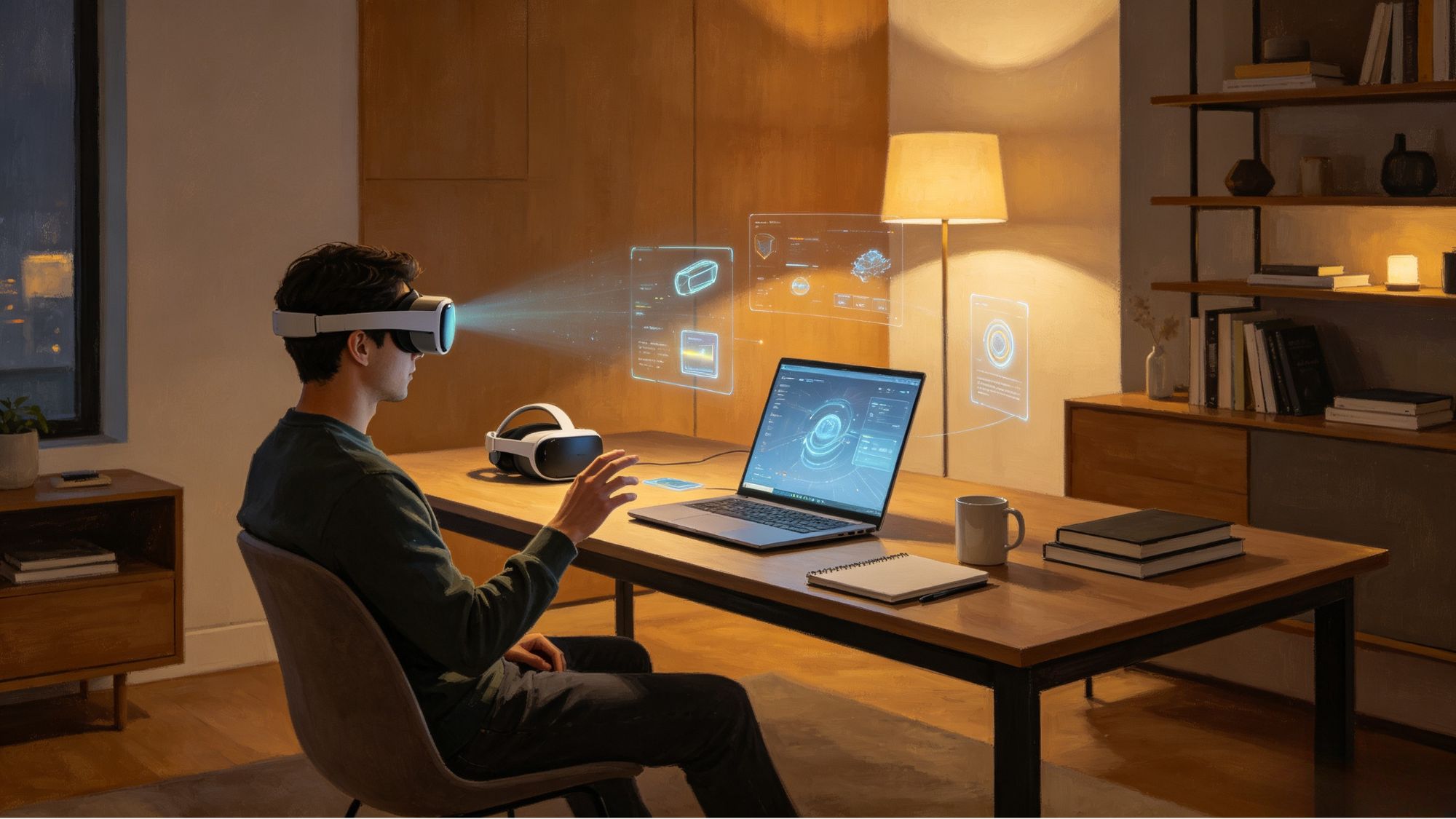
Traditional digital models have long been used in industries such as architecture, engineering, and manufacturing. CAD drawings, 3D models, and simulations provide detailed visual representations of physical objects and spaces. However, these models usually represent a fixed moment in time and cannot reflect how real-world systems change during operation.
The combination of the Internet of Things (IoT), spatial computing, and advanced 3D modeling has introduced a more dynamic approach: the IoT-powered spatial digital twin.
Unlike a traditional 3D model that only shows the appearance of an object, a digital twin connects a virtual representation with real-time data from physical assets. By collecting information from connected sensors and displaying it within a 3D environment, organizations can monitor equipment performance, identify potential problems, and make better operational decisions.
A functional spatial digital twin depends on the connection between physical systems, data processing platforms, and 3D visualization environments.
These systems generally consist of three major layers: physical data collection, data processing, and spatial representation.
Every digital twin starts with a physical object or environment equipped with connected devices.
Industrial IoT sensors, smart meters, cameras, and monitoring equipment continuously collect information such as:
Temperature changes
Equipment vibration
Energy consumption
Pressure levels
Location information
Operating conditions
For example, sensors installed on industrial machinery can monitor motor temperature and vibration patterns. A building system can track energy usage, indoor climate conditions, and occupancy levels.
This continuous flow of information creates the foundation for a digital twin.
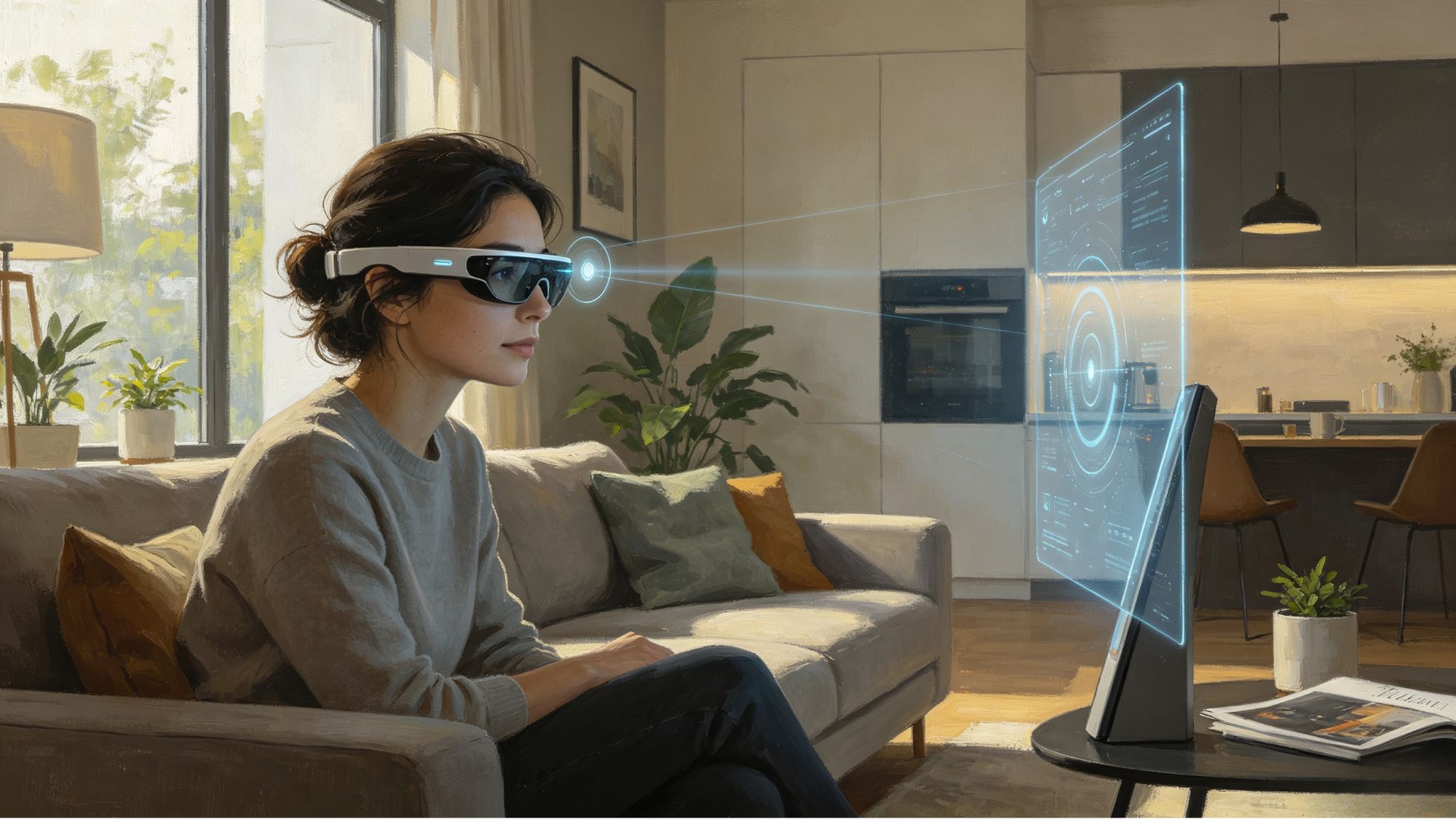
Raw sensor data cannot be directly displayed inside a 3D model. Before reaching the visualization system, information must be collected, organized, and processed.
IoT platforms use communication protocols such as MQTT and AMQP to transfer data between devices and software systems. Data processing systems then organize information by identifying sources, timestamps, and relationships between different assets.
This step ensures that telemetry data can be accurately connected to the correct virtual object.
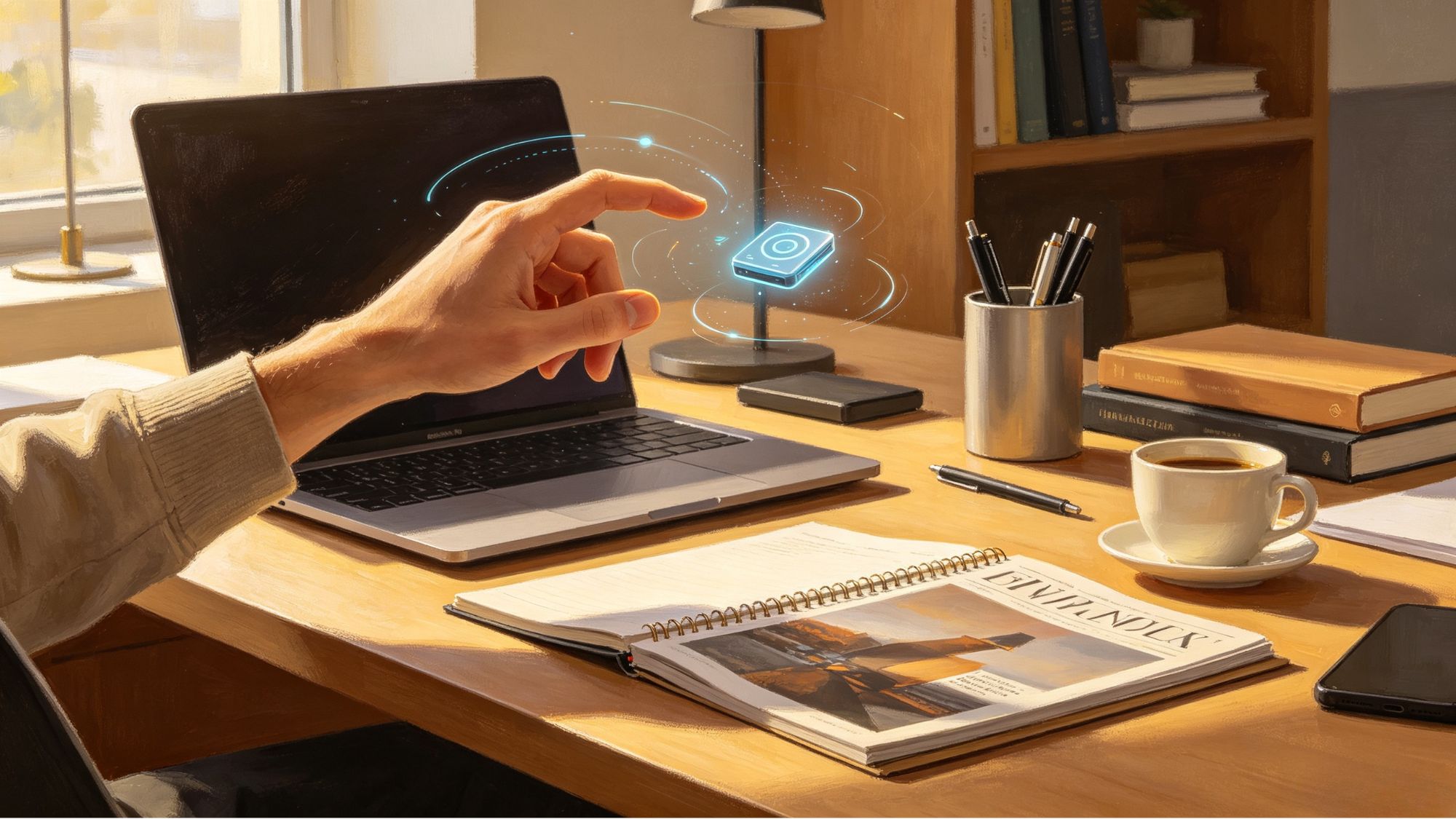
The defining feature of a spatial digital twin is the relationship between data and physical location.
Instead of displaying sensor information in a separate dashboard, digital twins attach live data directly to corresponding 3D objects.
For example, if a sensor detects abnormal pressure in an industrial pipeline, the digital twin can highlight the exact section of the virtual pipeline where the issue occurs. Operators can immediately understand both the problem and its location within the larger system.
Turning large amounts of sensor information into useful visual insights requires advanced software architecture.
A digital twin must understand not only individual data points but also how physical objects relate to each other.
Large-scale digital twins often rely on spatial databases and graph-based data structures to organize complex relationships.
For example, a smart building digital twin does not simply store room temperatures as isolated numbers. Instead, it connects information across multiple systems:
A room is connected to its HVAC system.
The HVAC system is connected to sensors and equipment.
Individual components are connected to maintenance records.
This relationship model allows operators to trace problems more efficiently and understand how one component affects another.
One major advantage of spatial digital twins is the ability to transform complex data into intuitive visual information.
Instead of reviewing thousands of sensor readings in spreadsheets, users can view real-time conditions directly on a 3D model.
For example:
A factory machine may display performance status based on current operating conditions.
A building model may highlight areas with unusual energy consumption.
Infrastructure systems may show damaged or high-risk sections through visual indicators.
This approach helps teams quickly identify important changes without analyzing large amounts of raw data manually.
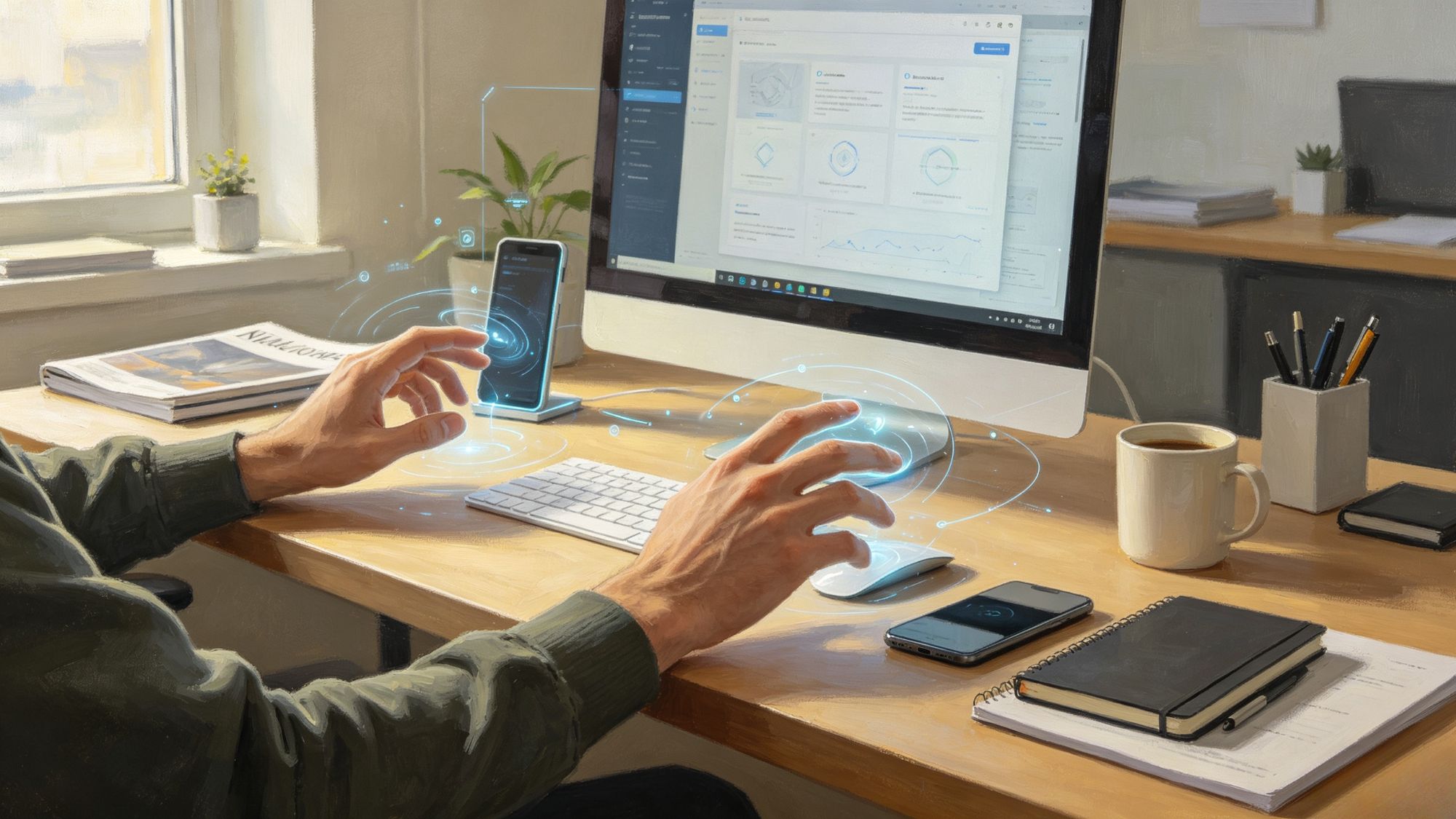
Although digital twins provide powerful capabilities, maintaining accurate real-time synchronization between physical systems and virtual models remains technically challenging.
Large industrial environments may contain thousands of sensors generating continuous streams of information.
Sending and processing all raw data through centralized cloud systems can create delays and increase costs. Many modern digital twin architectures use edge computing, allowing local devices to filter and analyze data before sending important information to the main platform.
A digital twin is only useful when the virtual representation accurately reflects the current physical condition.
If sensor updates arrive too slowly, the digital model may no longer represent the actual state of equipment or infrastructure. Low-latency communication and efficient data processing are therefore essential for applications that require rapid responses.
Many IoT devices use different communication standards and data formats. Integrating equipment from multiple manufacturers can be difficult without common standards.
Modern digital twin platforms increasingly rely on open data formats and standardized architectures to improve compatibility between different systems.
IoT-powered digital twins are already being adopted across many industries.
Factories use digital twins to monitor production equipment, analyze machine performance, and identify early signs of mechanical problems.
By connecting real-time sensor data with 3D factory models, operators can better understand production conditions and improve maintenance planning.
Building managers use digital twins to monitor energy consumption, HVAC performance, and space usage.
A 3D building model combined with IoT data can help identify inefficient systems and support more informed facility management decisions.
Cities can combine traffic information, public utilities, environmental sensors, and infrastructure data within large-scale digital models.
These systems can support urban planning, transportation management, and emergency response preparation.
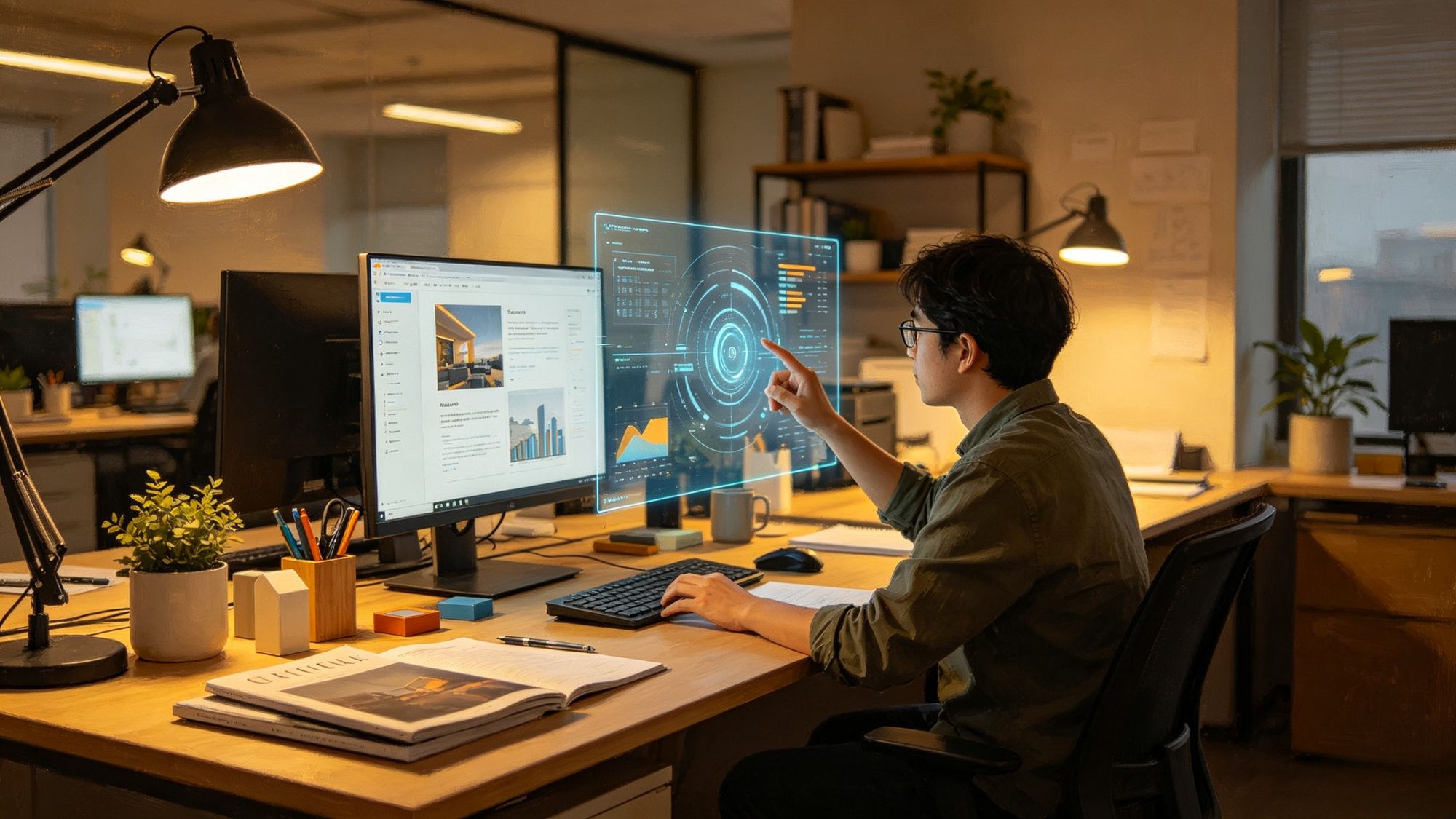
IoT-powered digital twins represent a new way of connecting physical environments with digital systems. By combining sensor networks, real-time data processing, and 3D spatial visualization, these platforms allow organizations to understand complex systems more clearly and respond to changing conditions more effectively.
As IoT networks, edge computing, and spatial technologies continue to improve, digital twins will become an increasingly important tool for managing intelligent buildings, industrial operations, and connected environments.