
Decoding the technologies of tomorrow, today.
Exploring the breakthrough innovations shaping our world. From AI infrastructure and robotics to biotech, quantum computing, and spatial tech.
Exploring the breakthrough innovations shaping our world. From AI infrastructure and robotics to biotech, quantum computing, and spatial tech.
Modern energy systems have traditionally followed a linear model: extract raw materials, manufacture equipment, operate energy infrastructure, and eventually dispose of components when they reach the end of their useful life. This approach enabled rapid expansion of technologies such as solar panels, batteries, wind turbines, and electric vehicles, but it also created growing concerns about resource consumption, waste generation, and supply chain vulnerabilities.
Circular economy engineering introduces a different approach. Instead of treating materials as disposable inputs, circular systems are designed to maintain the value of resources through reuse, repair, recycling, and recovery. In the energy sector, this means considering the entire lifecycle of technologies—from raw material extraction and manufacturing to operation, maintenance, and end-of-life processing.
As renewable energy deployment accelerates, circular design is becoming increasingly important. Solar modules, battery systems, wind turbines, and power electronics all depend on valuable materials that require responsible management. Building energy systems around recycling and material recovery can improve resource security while reducing environmental impacts.
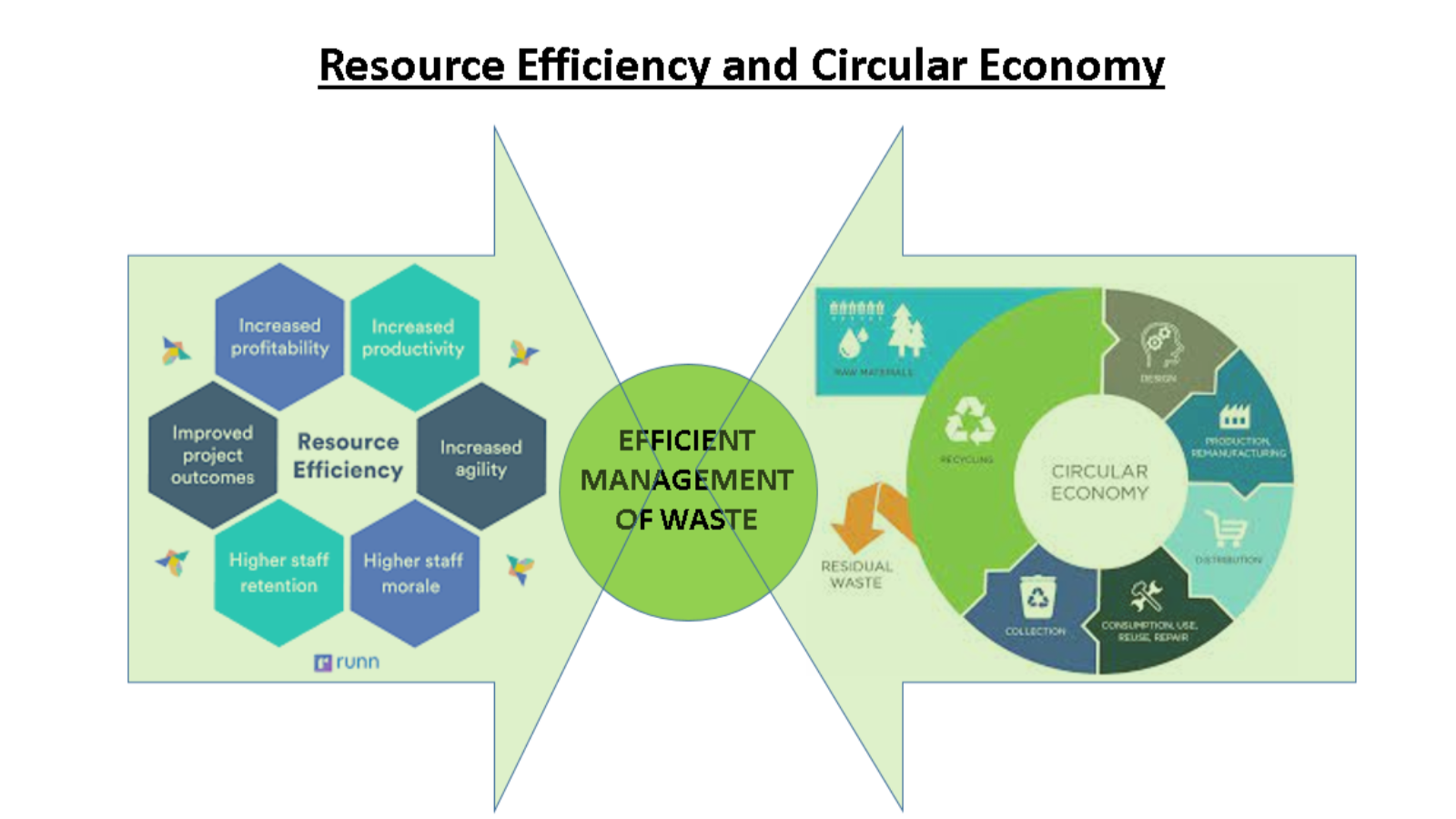
Circular economy engineering applies principles of resource efficiency and lifecycle management to the design of products, infrastructure, and industrial systems.
Traditional engineering often focuses on improving performance during operation. Circular engineering expands this perspective by asking additional questions:
Can materials be recovered after use?
Can components be repaired or reused?
Can products be designed for easier disassembly?
Can waste streams become future resource supplies?
In energy systems, circular engineering considers not only how much electricity a technology produces but also what happens to the materials involved throughout its lifespan.
For example, a solar panel is not simply a device that generates electricity for 25 to 30 years. It is also a collection of materials, including glass, aluminum, silicon, polymers, and metals, that may have value after the panel reaches the end of its operational life.
Renewable energy technologies have reduced dependence on fossil fuels, but they still require significant amounts of physical materials.
A circular approach begins during product design.
Energy equipment designed with modular components can simplify repair and replacement. Instead of replacing an entire system when one component fails, individual parts can be upgraded or exchanged.
This approach can extend product lifetimes and reduce material waste.
Engineers increasingly consider material availability, recyclability, and environmental impact when selecting components.
Materials that can be efficiently recovered and reused help reduce dependence on newly extracted resources.
Many industrial products are difficult to recycle because different materials are permanently bonded together. Designing components that can be separated more easily improves recovery efficiency.
This principle is particularly important for batteries, solar panels, and electronic systems containing multiple material types.
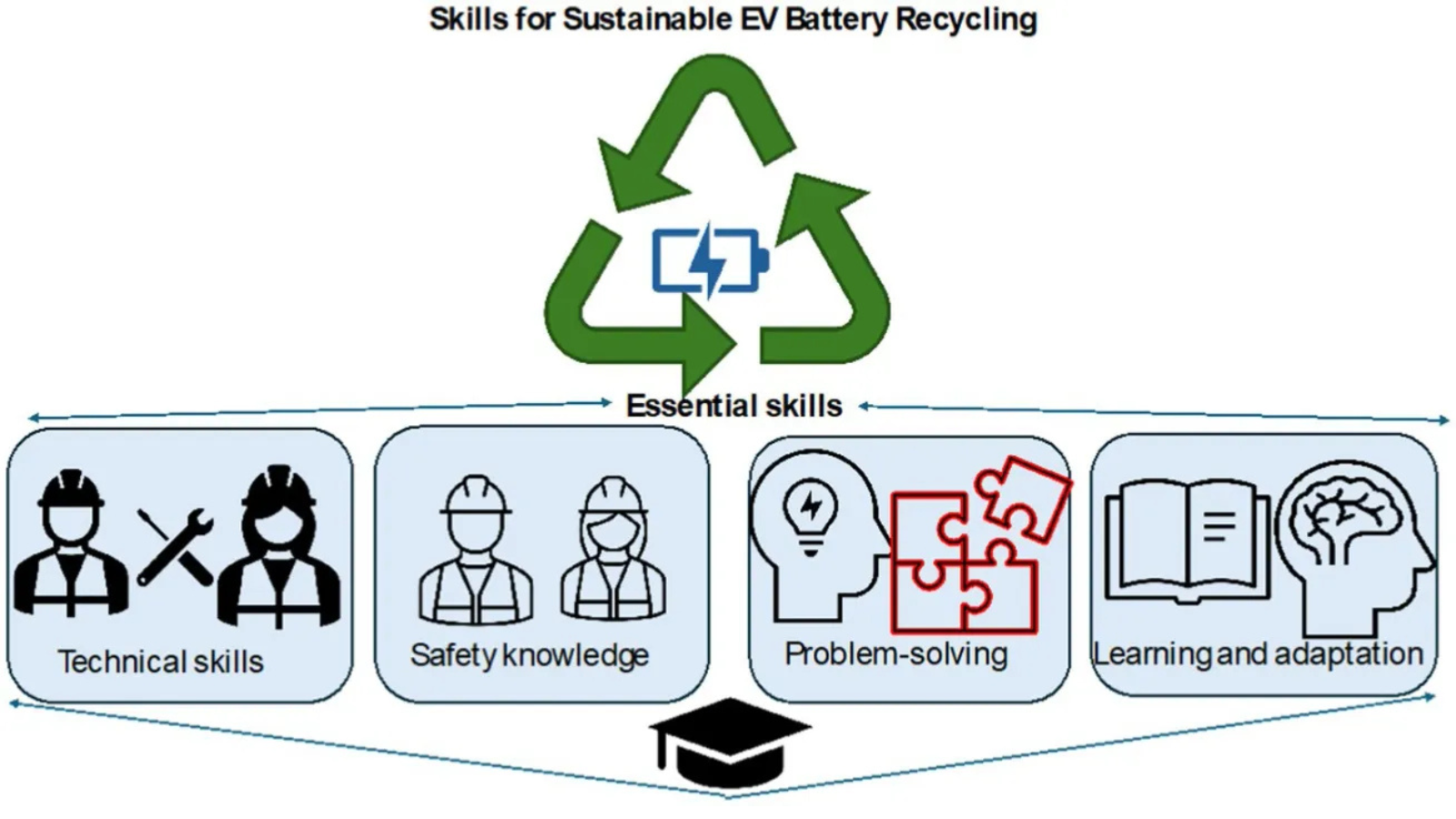
Battery technology is central to renewable energy storage and electric transportation, but batteries require materials such as lithium, nickel, cobalt, manganese, graphite, and copper.
As battery deployment increases, recycling becomes essential for managing future material demand.
Battery recycling processes generally involve several stages:
1. Collection and transportation
2. Disassembly and preparation
3. Material separation
4. Recovery of valuable components
Different recycling methods target different materials and efficiency levels.
Mechanical methods break batteries down into smaller components before separating materials through physical processes.
Hydrometallurgical techniques use chemical solutions to extract valuable metals from battery materials.
Direct recycling attempts to preserve battery materials in a form that can be reused with minimal processing.
This approach has attracted research interest because it could reduce energy consumption compared with completely breaking materials down into raw elements.
Battery recycling does not eliminate the need for new mining, but it can reduce pressure on raw material supply chains and improve resource efficiency.
Solar photovoltaic deployment has expanded rapidly, creating future challenges related to panel retirement.
A solar module contains several valuable materials:
Glass
Aluminum frames
Silicon
Copper wiring
Silver contacts
Semiconductor materials
The majority of a conventional solar panel consists of materials that can potentially be recovered. However, separating these materials efficiently remains technically challenging because modules are designed for durability and weather resistance.
Improving recycling requires better collection systems and manufacturing designs that consider end-of-life processing from the beginning.
Future solar technologies may increasingly incorporate circular principles by using recyclable materials and designing modules that are easier to dismantle.
Wind turbines demonstrate both the opportunities and difficulties of circular energy design.
Many turbine components are highly recyclable, including steel towers, copper wiring, and electronic equipment. However, turbine blades present a major challenge because they are made from strong composite materials designed for durability.
Traditional composite blades combine materials such as fiberglass and resins, making separation difficult.
Researchers and manufacturers are exploring solutions including:
Recyclable composite materials
Improved blade designs
Chemical recycling methods
Alternative manufacturing approaches
As older turbines reach retirement, developing efficient blade recycling methods will become increasingly important.
Circular energy systems can also improve efficiency by connecting different industries.
Waste from one process can become an input for another.
Examples include:
Using recovered battery materials in new battery production
Reusing industrial waste heat
Recovering materials from retired energy infrastructure
Integrating renewable energy with recycling facilities
This approach reduces dependence on new resource extraction while creating more resilient supply networks.
Industrial symbiosis, where organizations exchange materials and energy flows, is one example of how circular principles can operate beyond individual products.
Digital tools play an increasingly important role in managing material lifecycles.
Technologies such as sensors, data platforms, and artificial intelligence can help track:
Equipment condition
Material composition
Maintenance history
Recycling opportunities
For example, digital product records could provide information about battery chemistry, manufacturing details, and repair history. This information could improve recycling efficiency by helping processors understand exactly what materials are present.
Predictive maintenance systems can also extend equipment lifetimes by identifying problems before failures occur.
Although circular energy systems offer significant benefits, implementation is not simple.
Major challenges include:
Recycling must compete financially with extracting new materials. When raw material prices are low, recycling may become less economically attractive.
Collection networks, processing facilities, and recycling technologies require investment and coordination.
Rapid innovation can make recycling more difficult because new generations of batteries, solar panels, and energy systems may use different materials and designs.
Consistent regulations and recycling standards can help create more efficient international supply chains.
The energy transition requires more than replacing fossil fuels with renewable sources. It also requires reconsidering how energy technologies are designed, manufactured, and managed throughout their lifecycles.
Future circular energy systems will likely combine:
Renewable generation
Advanced recycling technologies
Sustainable material choices
Digital tracking systems
Longer-lasting equipment designs
As demand for clean energy technologies grows, resource efficiency will become increasingly important. A sustainable energy system must not only generate clean power but also manage the materials required to build and maintain that system.
Circular economy engineering provides a framework for creating energy systems that use resources more efficiently and reduce waste throughout the technology lifecycle. By designing renewable technologies around recycling, material recovery, and durability, engineers can address some of the resource challenges associated with the global energy transition.
The future of clean energy depends not only on how electricity is produced but also on how materials are managed. Building circular principles into energy infrastructure today can help create a more resilient, efficient, and sustainable energy system for decades to come.