
Decoding the technologies of tomorrow, today.
Exploring the breakthrough innovations shaping our world. From AI infrastructure and robotics to biotech, quantum computing, and spatial tech.
Exploring the breakthrough innovations shaping our world. From AI infrastructure and robotics to biotech, quantum computing, and spatial tech.
Modern computing has been shaped by a simple assumption: information processing depends on electronic components built from silicon. For decades, advances in semiconductor manufacturing delivered smaller transistors, faster processors, and more efficient architectures. However, as transistor miniaturization approaches physical limits associated with heat generation, energy consumption, and quantum-scale effects, researchers have started exploring entirely different computational substrates. One of the most unconventional candidates is living neural tissue. Recent developments in stem cell biology, electrophysiology, and computational neuroscience have given rise to organoid intelligence, a research field that investigates whether laboratory-grown neural tissue can participate in computational tasks traditionally performed by electronic systems.
Brain organoids were initially developed as experimental models for studying human development, neurological disorders, and pharmaceutical responses. Their role, however, has gradually expanded. Scientists are now investigating whether these self-organizing cellular structures can serve as adaptive information-processing systems when connected to digital hardware. This emerging field does not seek to replace traditional computers. Instead, it explores whether biological networks can complement conventional architectures in specialized domains such as pattern recognition, energy-efficient learning, and adaptive signal processing.
Unlike science fiction narratives that portray biological computers as conscious machines, current research remains firmly grounded in experimental neuroscience. Existing organoid-based systems are limited, highly controlled laboratory platforms that perform narrow proof-of-concept tasks. Nevertheless, their development raises profound scientific questions. Can living neural networks become computational resources? Can biological learning mechanisms be integrated into digital systems? And if so, what advantages might they offer over conventional hardware? Answering these questions requires understanding both the biological foundations of neural organoids and the engineering principles that enable communication between living tissue and electronic devices.
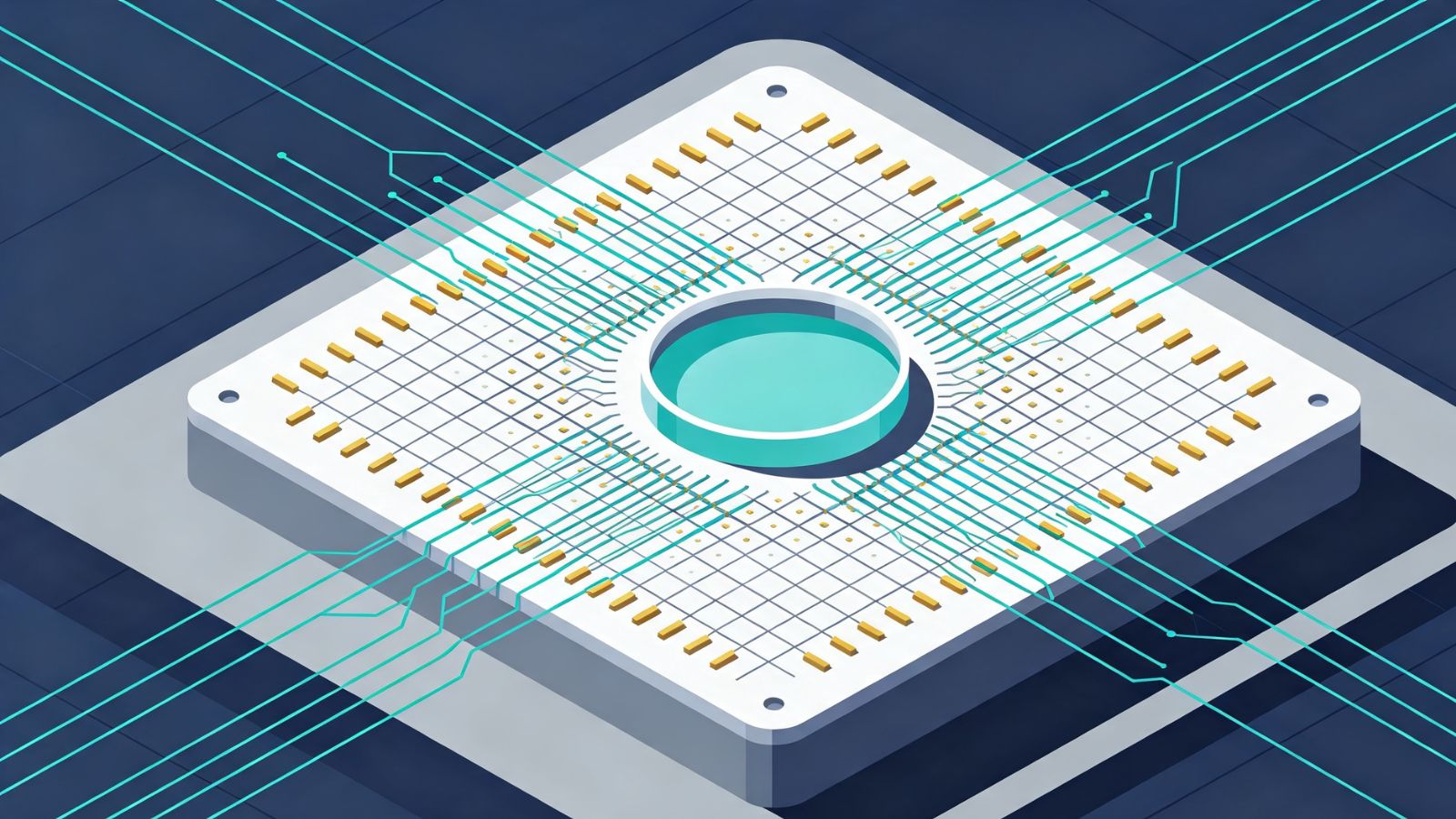
Brain organoids originate from pluripotent stem cells that possess the remarkable ability to differentiate into multiple specialized cell types. Researchers typically begin with induced pluripotent stem cells derived from adult tissues or embryonic stem cells cultivated under carefully controlled laboratory conditions. By exposing these cells to specific combinations of growth factors, signaling molecules, and culture environments, scientists encourage them to organize into three-dimensional structures that resemble certain regions of the developing human brain. Rather than constructing these tissues manually, researchers rely on the cells' intrinsic developmental programs, allowing them to self-assemble into increasingly complex architectures.
Compared with traditional two-dimensional cell cultures, organoids exhibit substantially greater structural complexity. They contain neuronal populations, supporting glial cells, and layered arrangements that mimic aspects of cortical development. Within these miniature tissues, neurons establish synaptic connections, exchange electrical signals, and generate spontaneous patterns of activity. Although organoids do not replicate the full anatomical organization of mature human brains, they provide a far more realistic experimental environment than flat cellular monolayers. Their ability to form dynamic networks makes them attractive candidates for computational experiments that depend on distributed information processing.
However, transforming organoids into stable computing platforms introduces major biological constraints. Living tissues require continuous access to oxygen, nutrients, and metabolic waste removal. Because organoids lack natural blood vessels, their internal cells depend on passive diffusion, which limits their size and long-term viability. Researchers have responded by developing rotating bioreactors, microfluidic systems, perfusion technologies, and engineered scaffolds that improve nutrient distribution throughout the tissue. These supporting technologies are essential because computational applications require stable neural activity over extended periods rather than the short experimental windows typically associated with developmental biology studies.
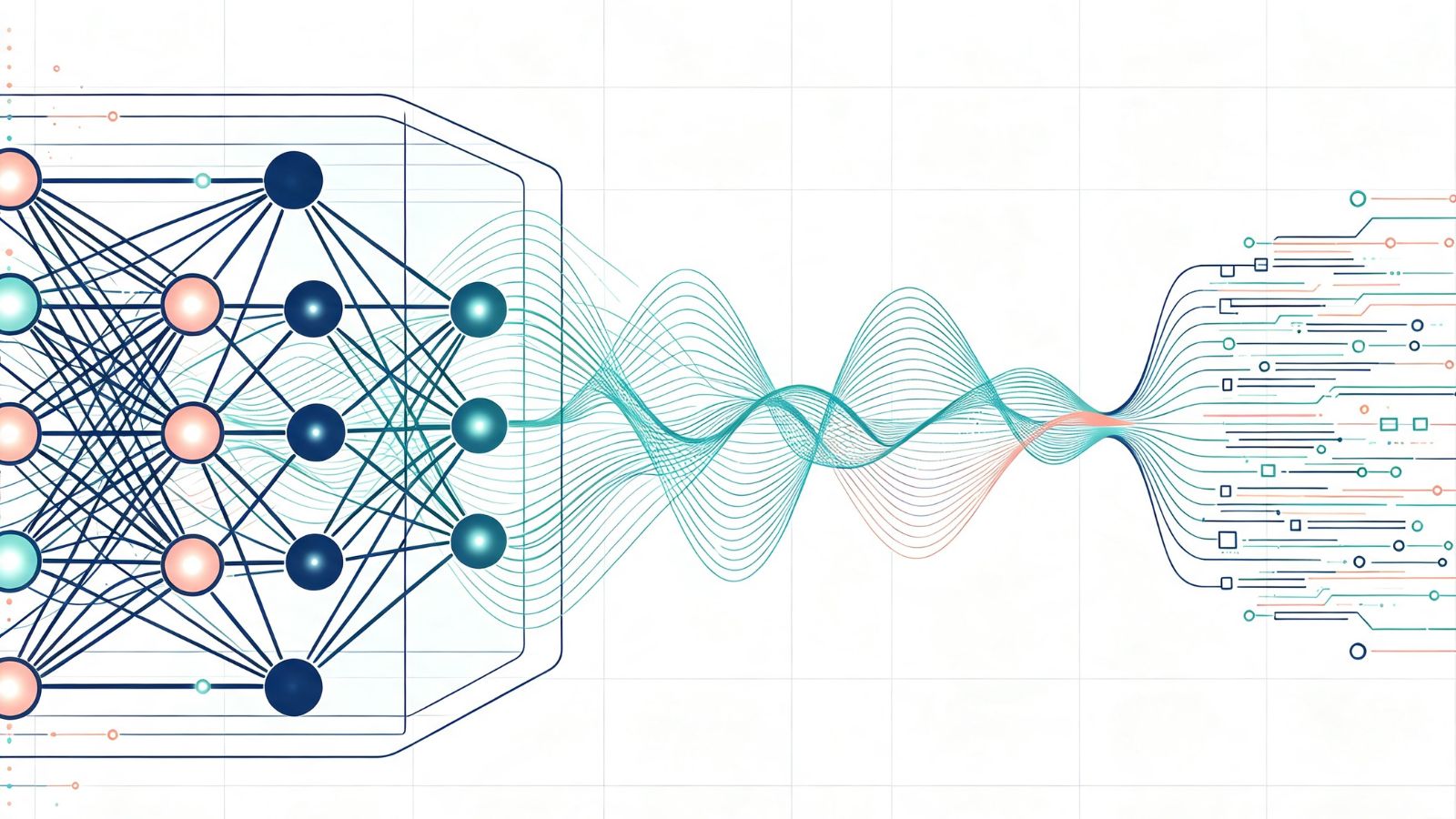
For neural organoids to participate in computation, they must be connected to digital systems capable of both recording and stimulating neural activity. This requirement has led to the development of sophisticated interfaces built around microelectrode arrays and complementary metal-oxide-semiconductor (CMOS) technologies. These platforms contain dense networks of microscopic electrodes that establish electrical contact with living tissue. Once an organoid is positioned on the recording surface, the electrodes detect extracellular voltage fluctuations generated by neuronal communication. This setup effectively converts biological activity into measurable digital signals that can be analyzed by external computers.
Recording signals alone is insufficient for computation. A functional computing platform requires bidirectional communication that allows information to move in both directions. Modern systems therefore incorporate stimulation capabilities that enable researchers to deliver carefully designed electrical inputs into specific regions of the neural network. By manipulating stimulation patterns, scientists can introduce sensory information, mathematical signals, or abstract training data into the tissue and observe how the biological network responds. This feedback loop creates an experimental environment in which living neurons interact continuously with digital hardware rather than functioning as passive biological samples.
Establishing reliable interfaces remains one of the field's greatest engineering challenges. Electrode density, signal resolution, electrical noise, tissue compatibility, and long-term stability all influence system performance. Researchers must ensure that electrodes remain sufficiently close to neurons to capture meaningful signals without damaging fragile cellular structures. At the same time, hardware designers must account for the constantly changing nature of biological tissue, which behaves very differently from conventional electronic circuits. Maintaining stable communication between living cells and rigid electronic components requires innovations in materials science, microfabrication, and electrophysiological instrumentation.
Traditional computers rely on deterministic architectures in which instructions move sequentially through processors, memory units, and storage devices. Neural organoids operate according to entirely different principles. Biological networks are nonlinear, adaptive, and probabilistic. Rather than executing fixed instructions, neurons continuously modify their connections through synaptic plasticity, producing emergent behaviors that cannot always be predicted through conventional computational models. As a result, researchers have adopted alternative frameworks that better align with the characteristics of living systems.
One of the most influential approaches is reservoir computing. In this model, the biological network functions as a dynamic reservoir that transforms input signals into complex patterns of neural activity. External software then analyzes these responses and translates them into meaningful outputs. The underlying principle is that the biological tissue itself performs much of the computational transformation, while conventional algorithms handle interpretation and classification. This hybrid architecture allows researchers to exploit the natural dynamics of neural systems without requiring complete control over every neuronal interaction occurring inside the organoid.
Early experiments have demonstrated that organoid-based reservoirs can perform relatively simple computational tasks, including pattern recognition, speech classification, and time-series prediction. Although these demonstrations remain limited compared with modern artificial intelligence systems, they highlight the unique computational properties of biological networks. Neural tissue possesses characteristics such as fading memory, adaptive learning, and massive parallel processing that are difficult to reproduce efficiently in conventional hardware. These properties suggest that biological computation may eventually complement silicon-based systems in specialized applications that prioritize adaptability over raw processing speed.
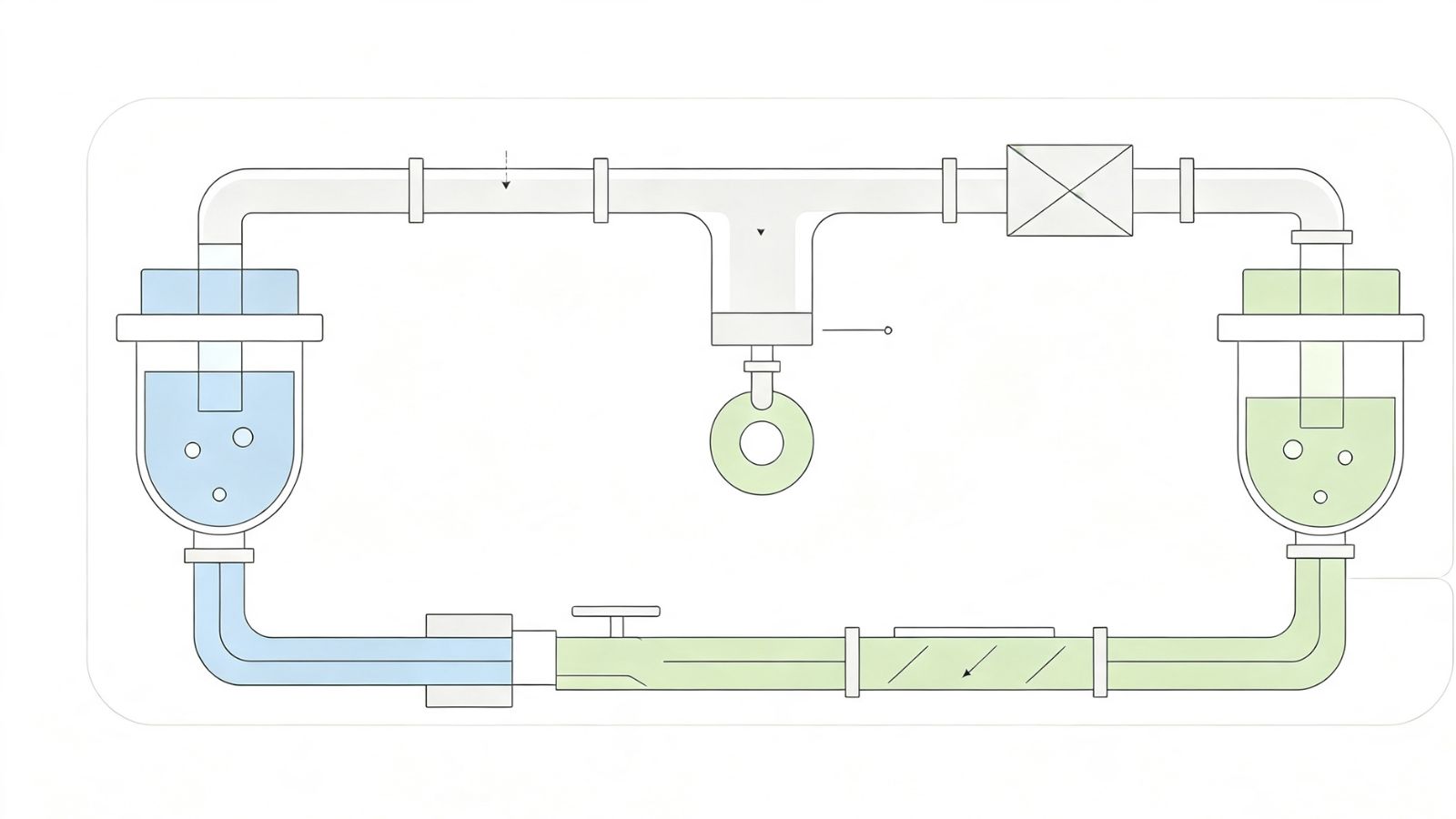
Energy efficiency is one of the strongest motivations behind biological computing research. The human brain performs extraordinarily complex cognitive tasks while consuming approximately 20 watts of power. By comparison, modern data centers require enormous electrical resources to train and operate advanced machine learning models. Researchers hope that studying biological information processing may reveal strategies for developing more efficient computational architectures. Even if living neural tissue never becomes a mainstream computing platform, the principles underlying its operation could inspire entirely new generations of energy-efficient hardware.
Despite these advantages, biological systems introduce constraints that have no equivalent in traditional computing environments. Neural networks are inherently noisy, meaning spontaneous electrical activity can interfere with experimental measurements. Synaptic connections also change continuously as neurons adapt to their environment, making biological circuits fundamentally unstable compared with fixed electronic components. In conventional processors, a logic gate performs the same operation repeatedly under identical conditions. In neural tissue, the network itself evolves over time, complicating efforts to maintain reproducible computational behavior.
Maintenance requirements further distinguish biological platforms from electronic devices. Living tissues require carefully regulated temperatures, sterile conditions, nutrient-rich media, precise pH control, and continuous metabolic support. Processing speed also remains a significant limitation. Electrical signals within neurons propagate far more slowly than signals traveling through semiconductor circuits. Consequently, organoid-based systems are unlikely to compete with conventional processors in arithmetic operations, large-scale simulations, or high-frequency calculations. Their potential lies in domains that benefit from adaptive learning, distributed processing, and energy-efficient pattern recognition rather than computational speed alone.
Perhaps no aspect of organoid computing generates more discussion than its ethical implications. Unlike conventional hardware, these systems incorporate human-derived biological materials, introducing questions that extend beyond engineering and computer science. As organoids become increasingly sophisticated and exhibit more organized neural activity, researchers must confront difficult questions regarding their developmental status, experimental boundaries, and appropriate use in computational research. Although current organoids remain far removed from conscious human brains, many scientists argue that ethical frameworks should evolve alongside technological capabilities rather than reacting after significant advances have already occurred.
Ethical concerns also extend to governance, oversight, and data management. Research institutions must establish transparent standards for tissue sourcing, experimental protocols, and long-term monitoring. Bioethicists have emphasized the importance of interdisciplinary collaboration among neuroscientists, engineers, philosophers, and regulatory organizations to ensure that scientific progress remains aligned with broader societal values. Developing these frameworks early may help prevent uncertainty as organoid intelligence research continues to expand.
The future of biological computing will almost certainly involve hybrid systems rather than complete replacements for silicon-based technologies. Digital processors excel at precision, speed, and scalability, while living neural networks demonstrate extraordinary adaptability and remarkable energy efficiency. Combining these complementary strengths may eventually produce computational architectures that transcend the limitations of either approach alone. Although practical deployment remains distant, the convergence of neuroscience and computer engineering is already reshaping how researchers define computation itself, opening the possibility that tomorrow's processors may be built not only from silicon and metal, but also from living cells.