
Decoding the technologies of tomorrow, today.
Exploring the breakthrough innovations shaping our world. From AI infrastructure and robotics to biotech, quantum computing, and spatial tech.
Exploring the breakthrough innovations shaping our world. From AI infrastructure and robotics to biotech, quantum computing, and spatial tech.
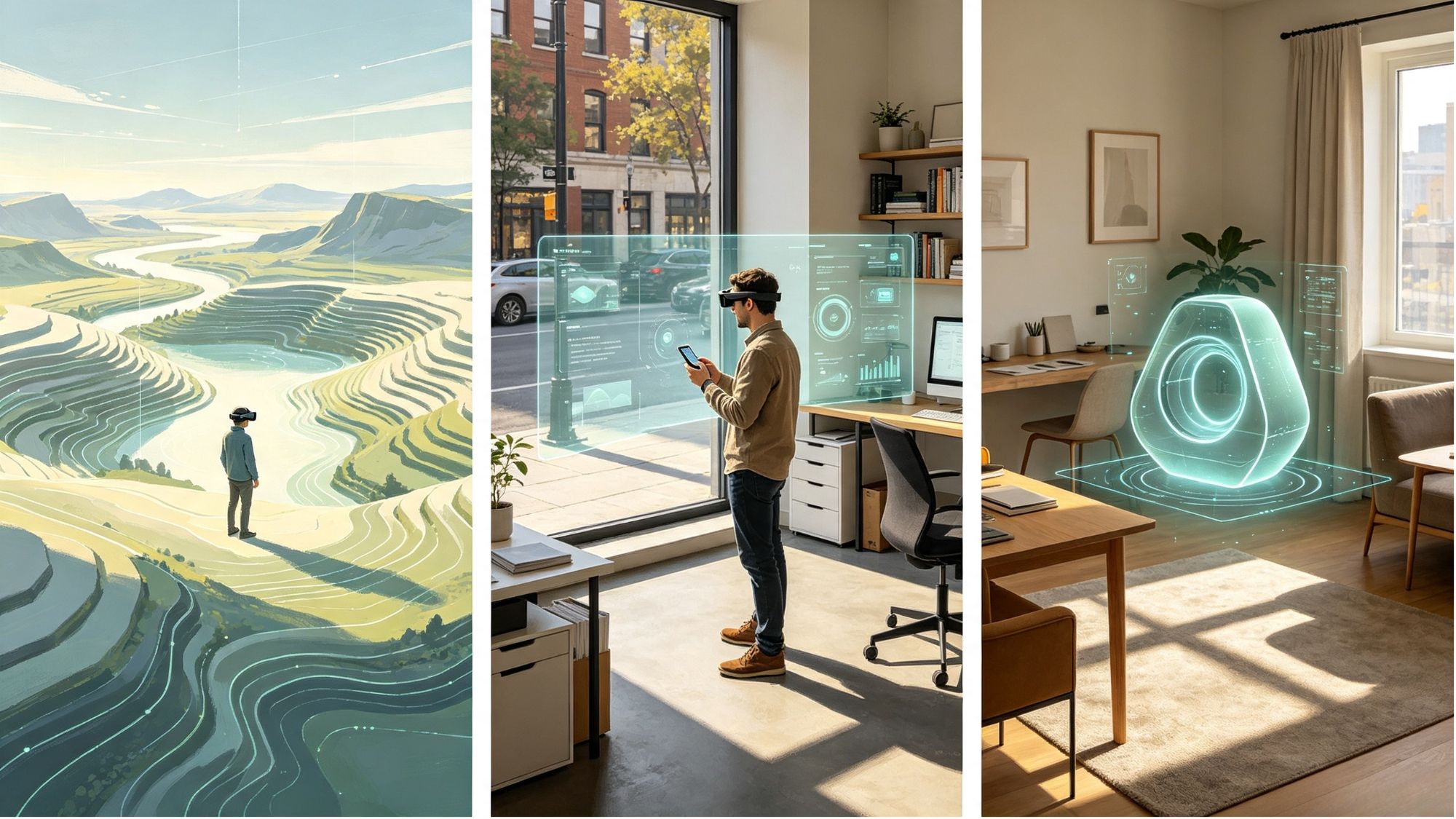
Immersive technology is becoming increasingly common in gaming, education, workplace collaboration, and industrial applications. A person wearing a Virtual Reality headset can enter a completely digital environment, while someone using Augmented Reality may see navigation instructions or technical information displayed over the real world. Between these experiences is Mixed Reality, where digital objects can interact more naturally with physical surroundings.
Although AR, VR, and MR are often discussed together, they represent different approaches to combining digital content with human perception. The key differences involve how each technology handles the physical environment, user interaction, and the relationship between virtual objects and real-world spaces.
Understanding these three interaction models helps explain why each technology is suitable for different tasks and experiences.
Virtual Reality (VR) creates a fully digital environment that replaces the user's normal view of the physical world. Traditional VR headsets use enclosed displays to block direct views of the surroundings, allowing users to focus entirely on a computer-generated experience. Newer devices increasingly include passthrough features that allow users to view their environment when needed.
The primary goal of VR is creating a strong sense of presence—the feeling of being inside a digital environment rather than simply viewing it on a screen.
Because VR focuses on immersion, hardware resources are dedicated to rendering detailed virtual scenes and tracking user movement accurately.
Presence and Immersion: VR allows users to explore simulated environments where they can interact with digital objects and experiences.
Input Mechanisms: Controllers, hand tracking, and eye tracking systems translate physical movements into actions within the virtual space.
Safety Awareness: Since users may have limited visibility of their surroundings, VR applications often use boundary systems to help prevent collisions with real-world objects.
The immersive nature of VR is also its main limitation. Users wearing traditional VR headsets may not immediately see nearby objects, keyboards, or people around them. This makes VR highly effective for gaming, simulations, and professional training, but less convenient for activities that require constant awareness of the physical environment.
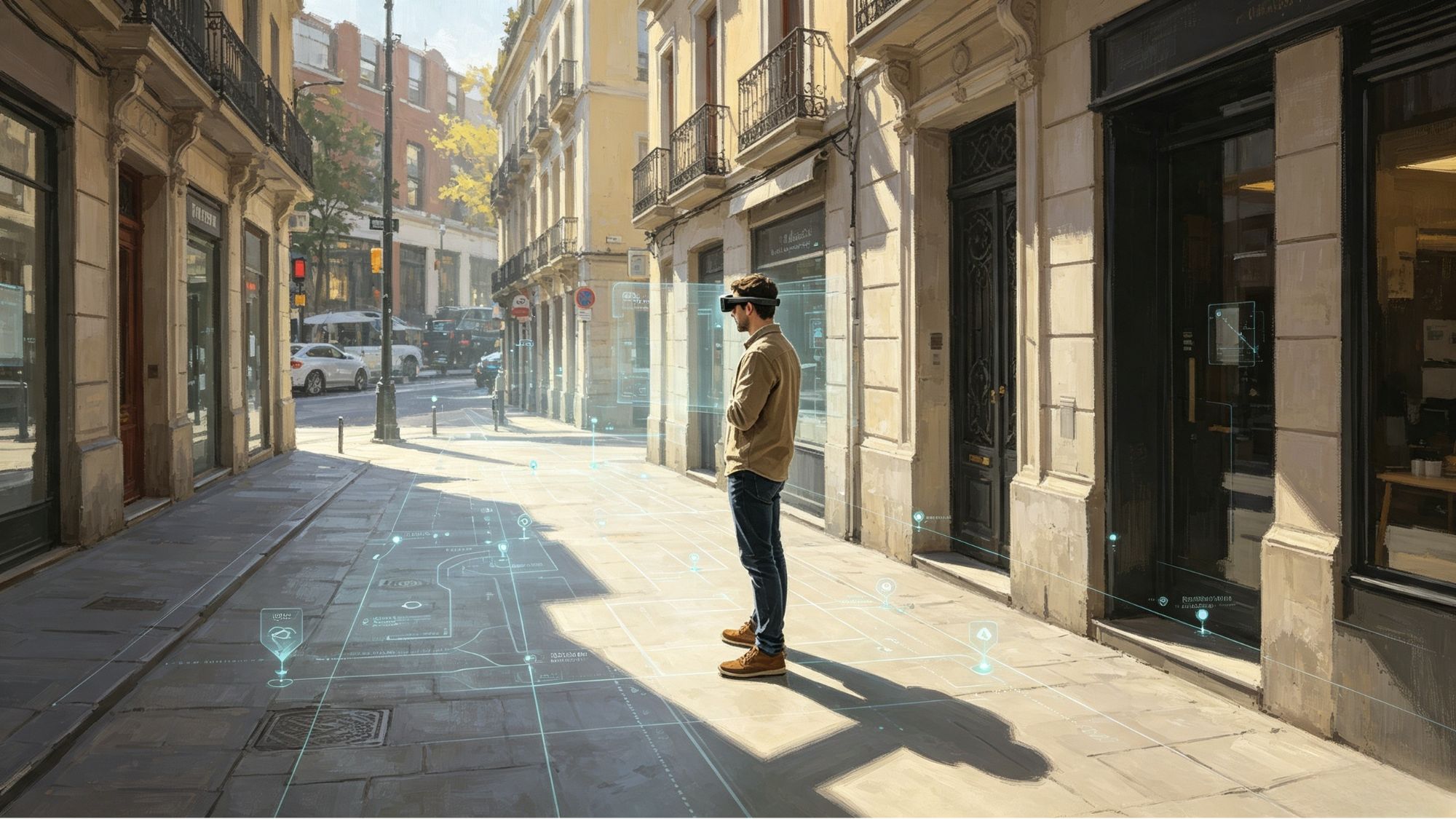
Augmented Reality (AR) takes a different approach by keeping the physical world visible while adding digital information on top of it.
AR experiences can appear through smartphones, smart glasses, vehicle displays, and other devices. Instead of replacing reality, AR works as an additional information layer that enhances what users already see.
AR focuses on providing useful digital information within a real-world context.
Examples include:
Mechanics viewing repair instructions while working on equipment
Warehouse workers following digital navigation guidance
Drivers receiving navigation information through vehicle displays
Customers previewing products in their homes before purchasing
Contextual Information Delivery: AR is effective when users need additional information without losing awareness of their surroundings.
Environmental Understanding: Modern AR systems increasingly use computer vision and spatial understanding to better recognize surfaces and locations.
Interactive Overlays: Digital elements can provide guidance, measurements, instructions, or visual enhancements.
AR still faces challenges when trying to make digital objects appear completely integrated with physical environments. Earlier AR experiences often displayed digital content as simple overlays, making objects feel disconnected from the real world.
Advances in depth sensing, spatial mapping, and improved displays are helping AR systems create more realistic interactions.
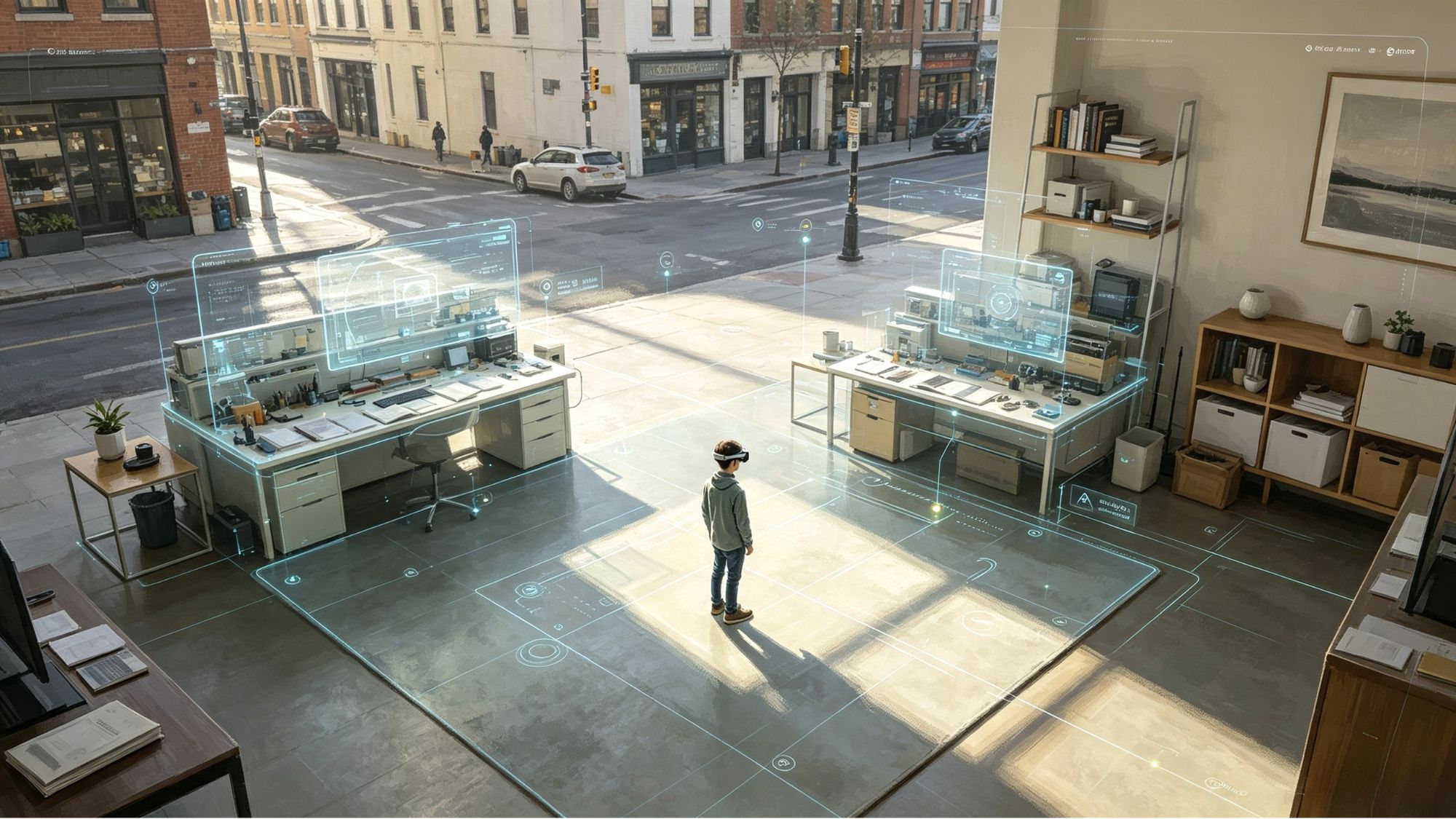
Mixed Reality (MR) combines elements of AR and VR by allowing digital objects to exist within and interact with physical spaces.
Unlike simple digital overlays, MR systems use technologies such as spatial mapping, depth sensors, and computer vision algorithms to understand the surrounding environment.
The defining feature of MR is that virtual objects can respond to the physical world.
Examples include:
A virtual screen staying attached to a specific wall after returning to the same room
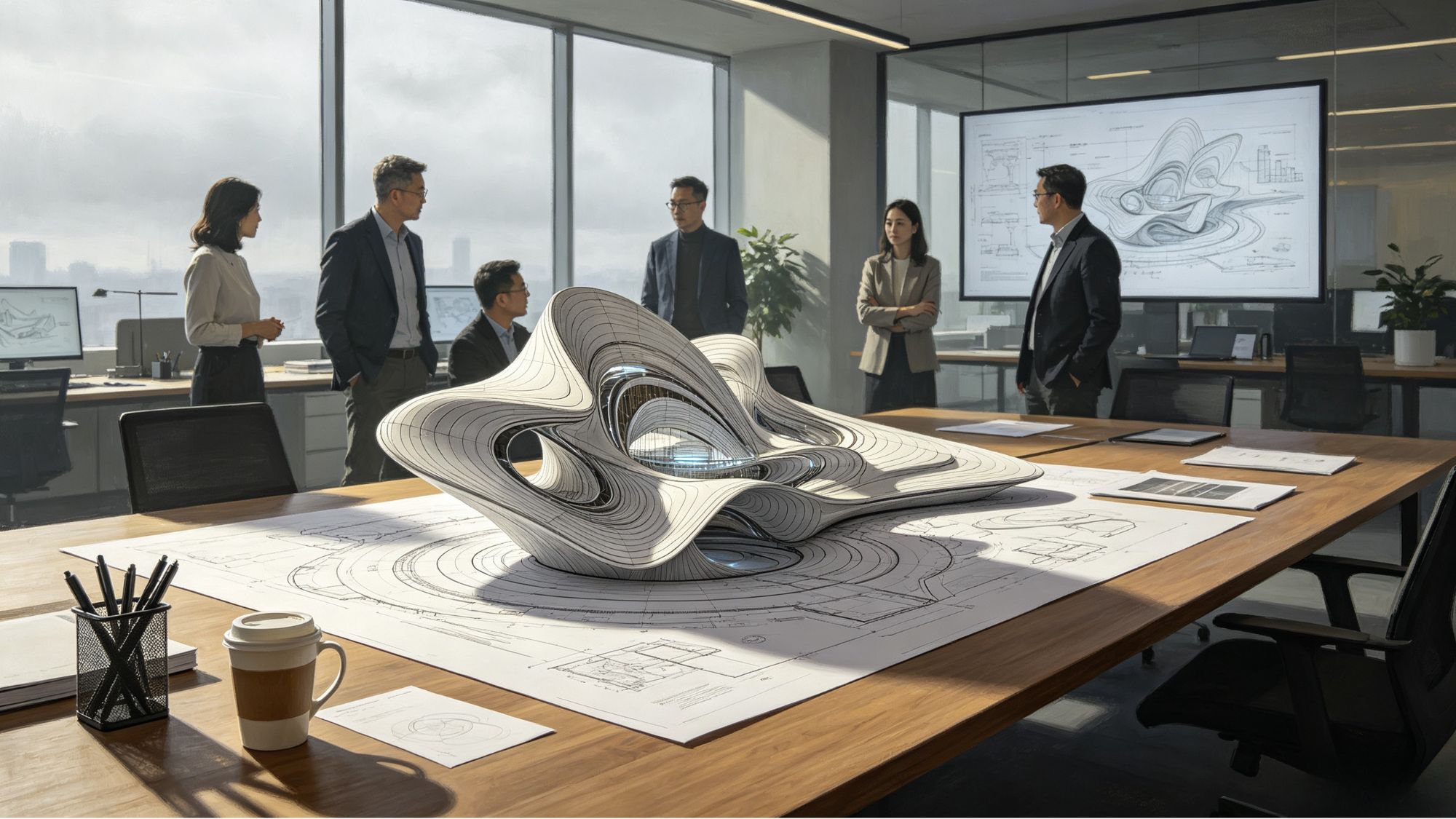
A 3D model appearing on a real table for collaborative design
A digital object being hidden behind a physical object because the system understands depth
True Occlusion: MR systems can recognize depth relationships, allowing physical objects to naturally block digital content.
Spatial Anchoring: Virtual objects can be connected to specific locations in physical environments.
Environmental Interaction: Digital content can respond more realistically to surfaces, movement, and surrounding conditions.
Many modern MR headsets use passthrough video technology. External cameras capture the physical environment and display it alongside digital content, allowing users to interact with both real and virtual elements.
This approach allows a single device to support different experiences, from immersive VR environments to mixed reality workflows.
Physical World Visibility: Primarily blocked, although modern devices may offer passthrough features.
Object Interaction: Users interact mainly with digital environments.
Spatial Anchoring: Focused on virtual spaces rather than physical locations.
Primary Use Cases: Gaming, simulations, education, and immersive training.
Physical World Visibility: Real environment remains visible.
Object Interaction: Digital information is added to physical surroundings.
Spatial Anchoring: Varies depending on the device and software capabilities.
Primary Use Cases: Navigation, smart displays, industrial guidance, and mobile experiences.
Physical World Visibility: Supported through passthrough or advanced optical systems.
Object Interaction: Digital objects can respond to physical environments.
Spatial Anchoring: Virtual content can remain connected to real-world locations.
Primary Use Cases: Collaboration, 3D design, professional training, and spatial computing.
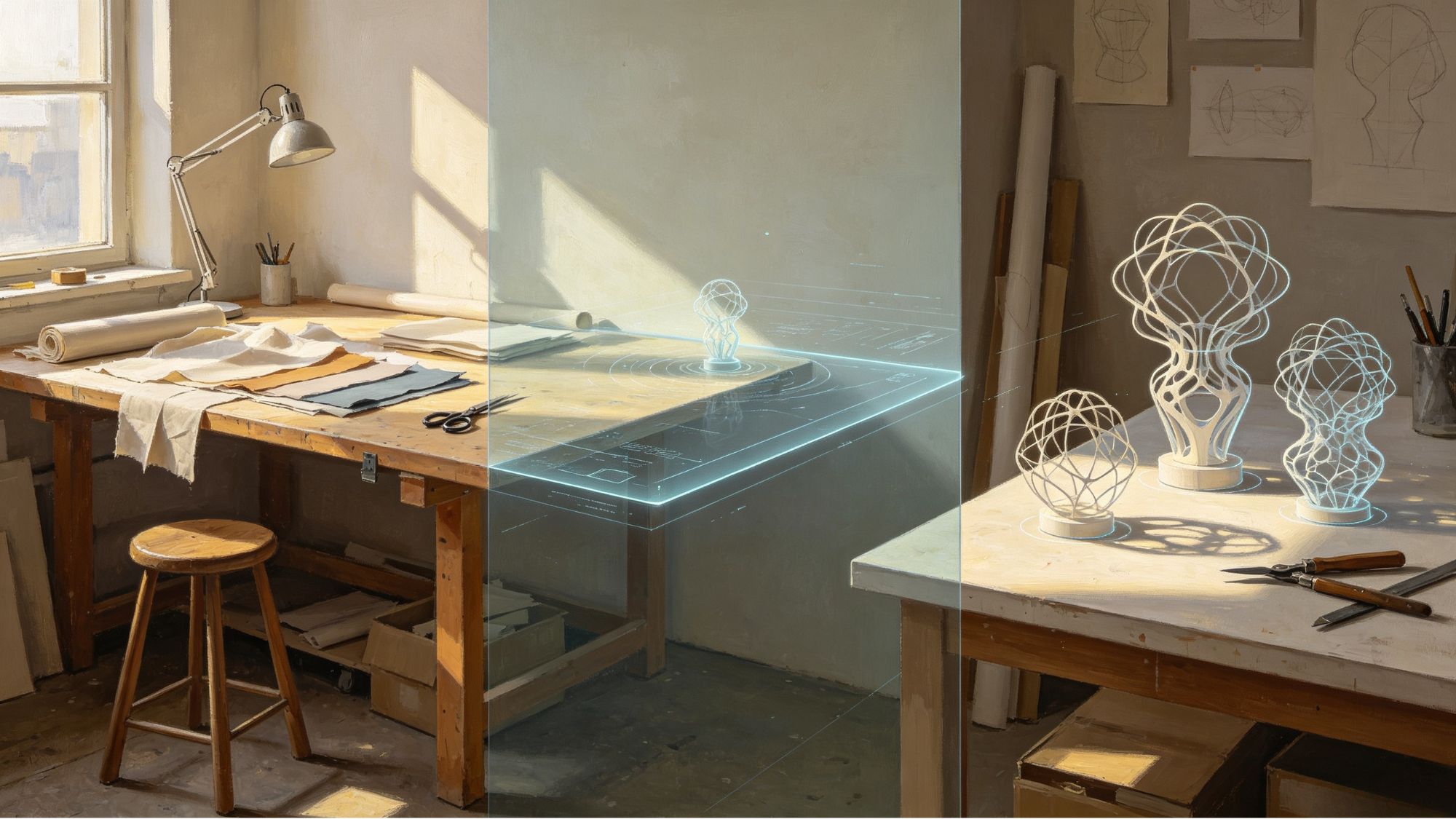
Augmented Reality, Virtual Reality, and Mixed Reality represent different approaches to connecting people with digital information. VR focuses on creating fully immersive digital environments, AR enhances the real world with useful information, and MR creates deeper interaction between physical and digital spaces.
As hardware and software continue to improve, the boundaries between these technologies will continue to evolve. However, their core differences remain important: VR helps users enter digital worlds, AR adds information to existing environments, and MR creates a bridge where digital objects can become part of everyday physical spaces.